FREE SHIPPING ON ALL U.S. ORDERS FOR A LIMITED TIME!

SHOP EARTHWORM PRODUCTS

As Seen In

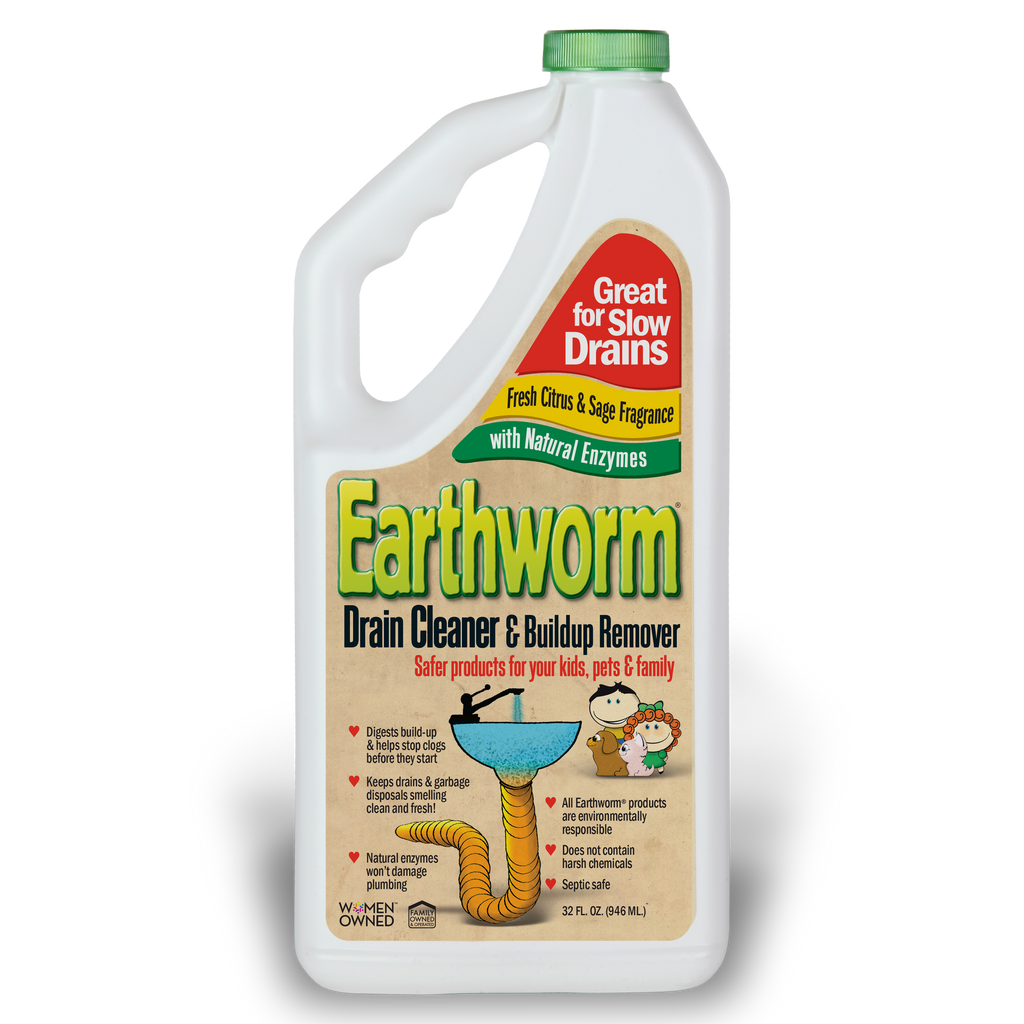
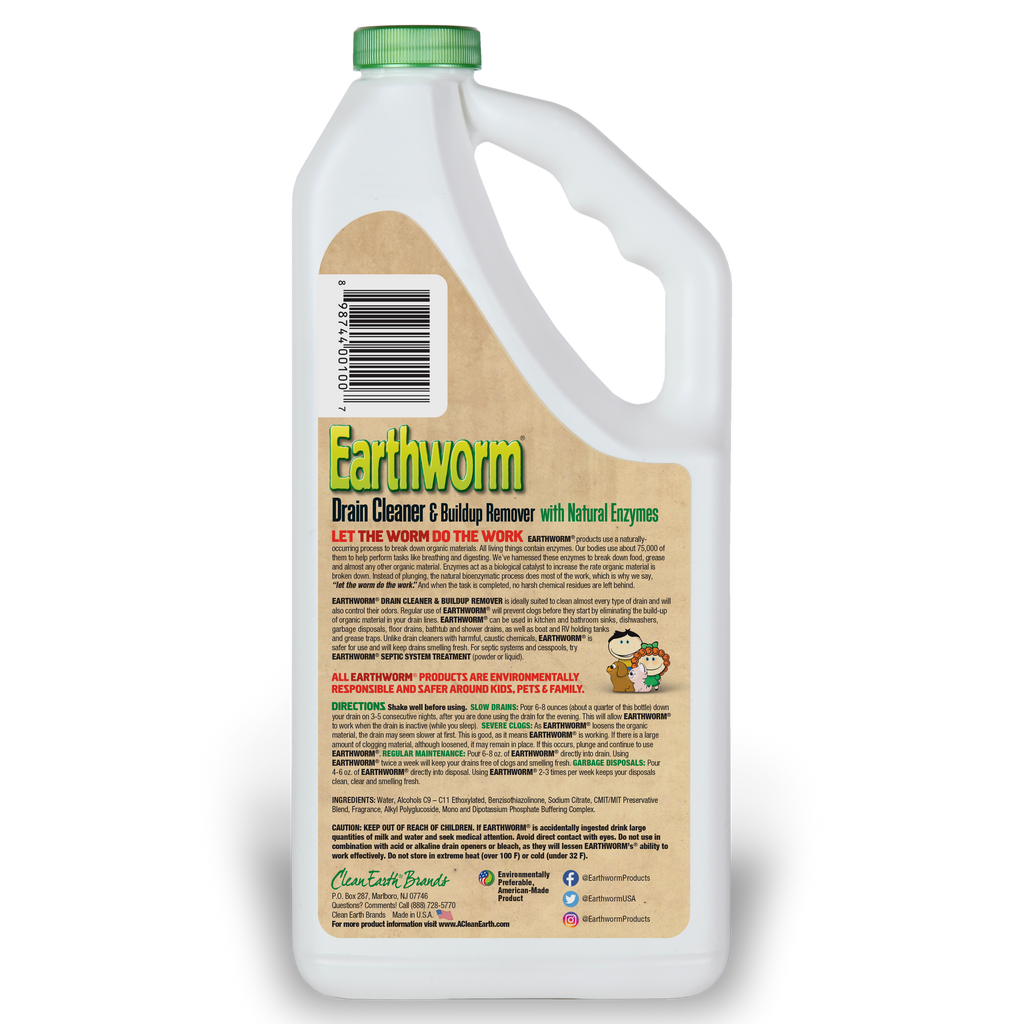
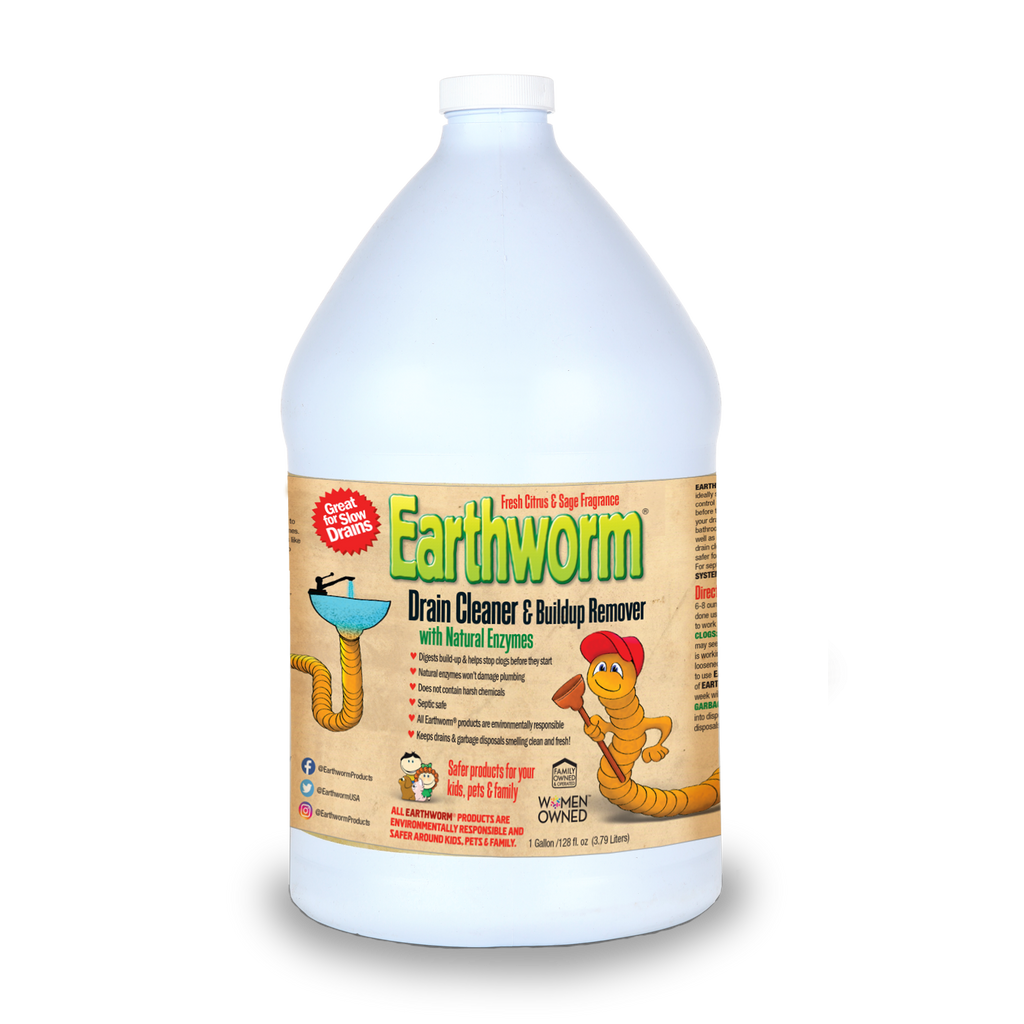
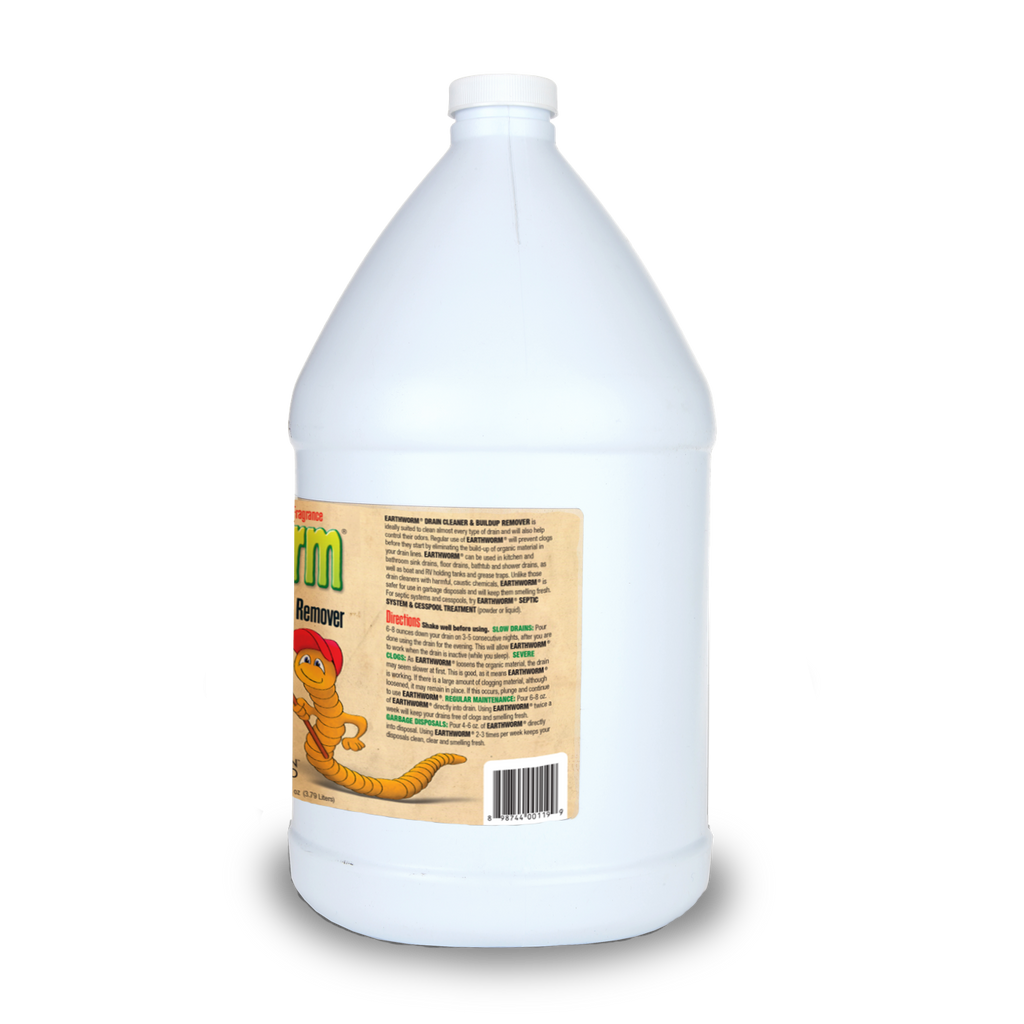
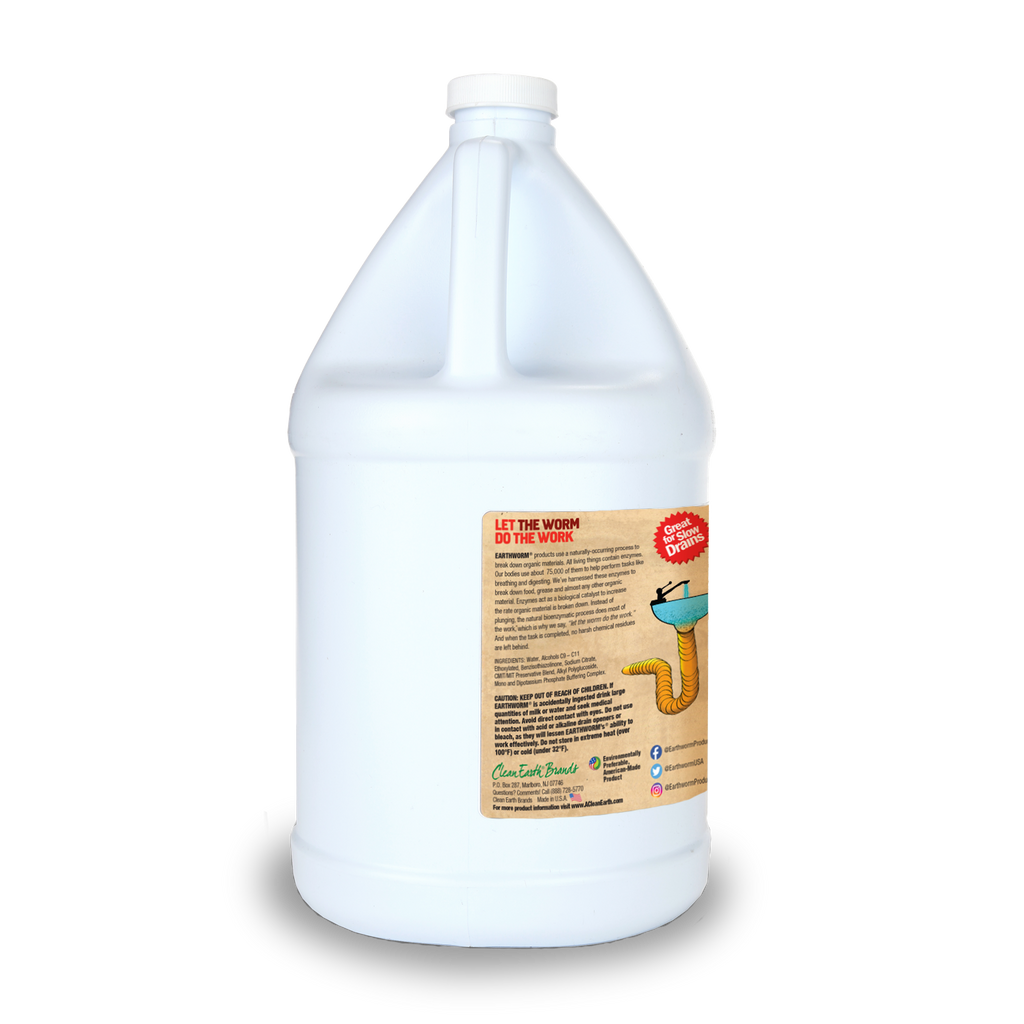
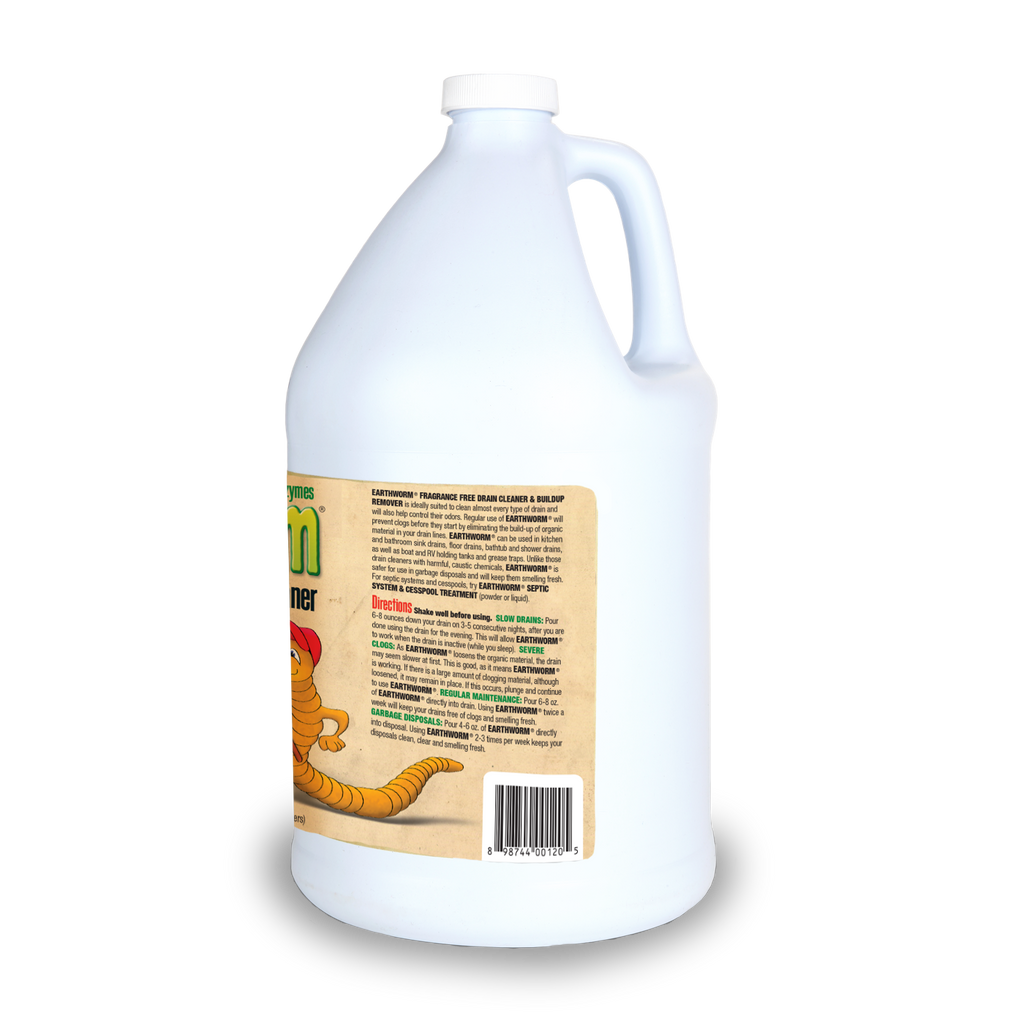
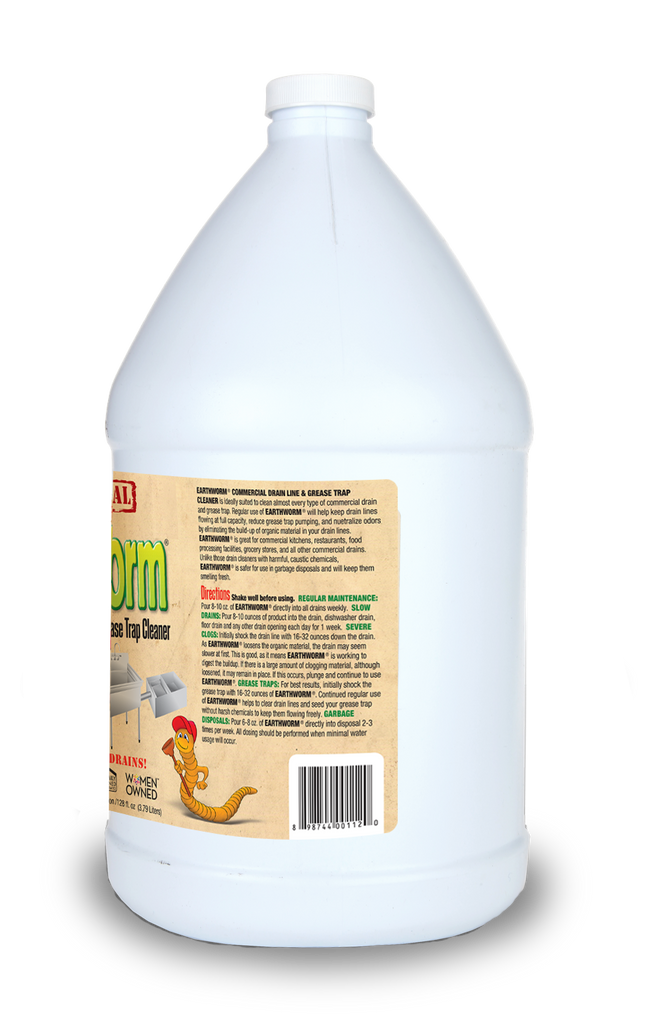
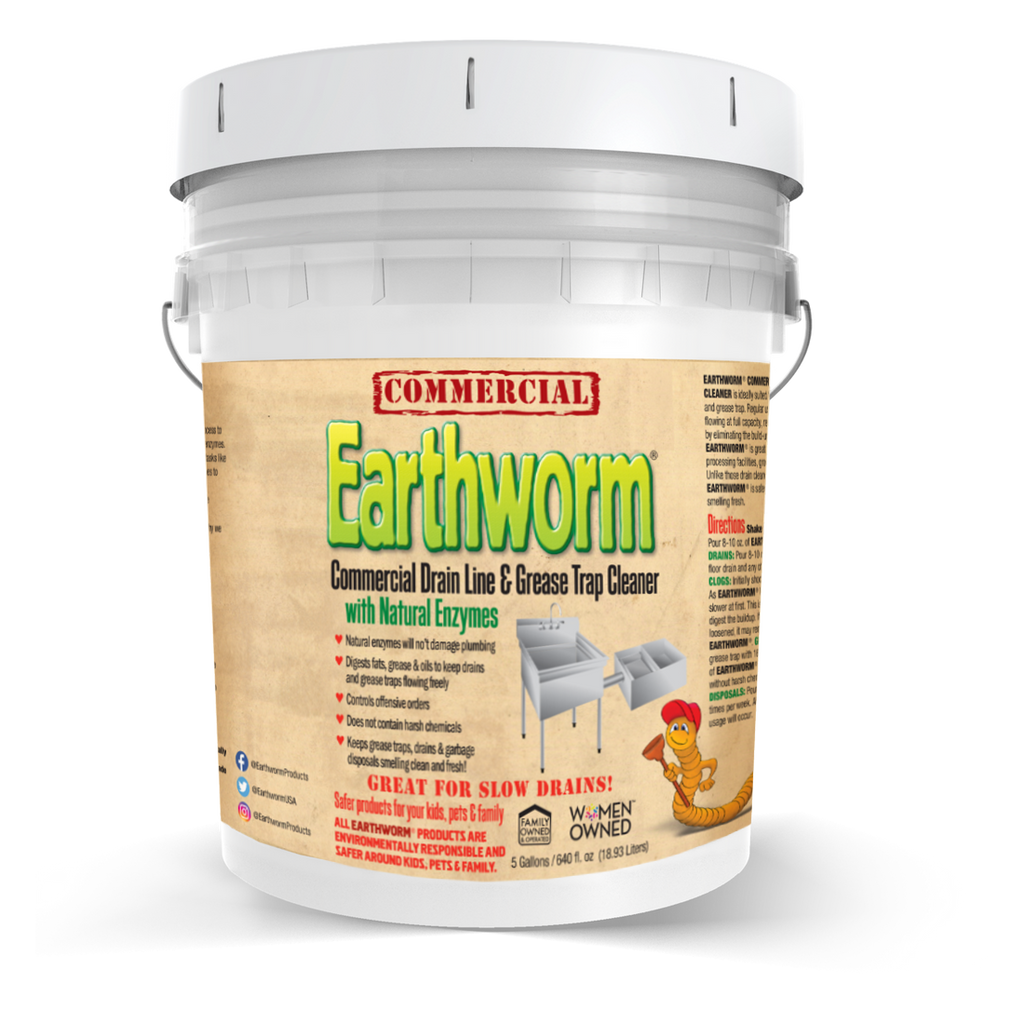
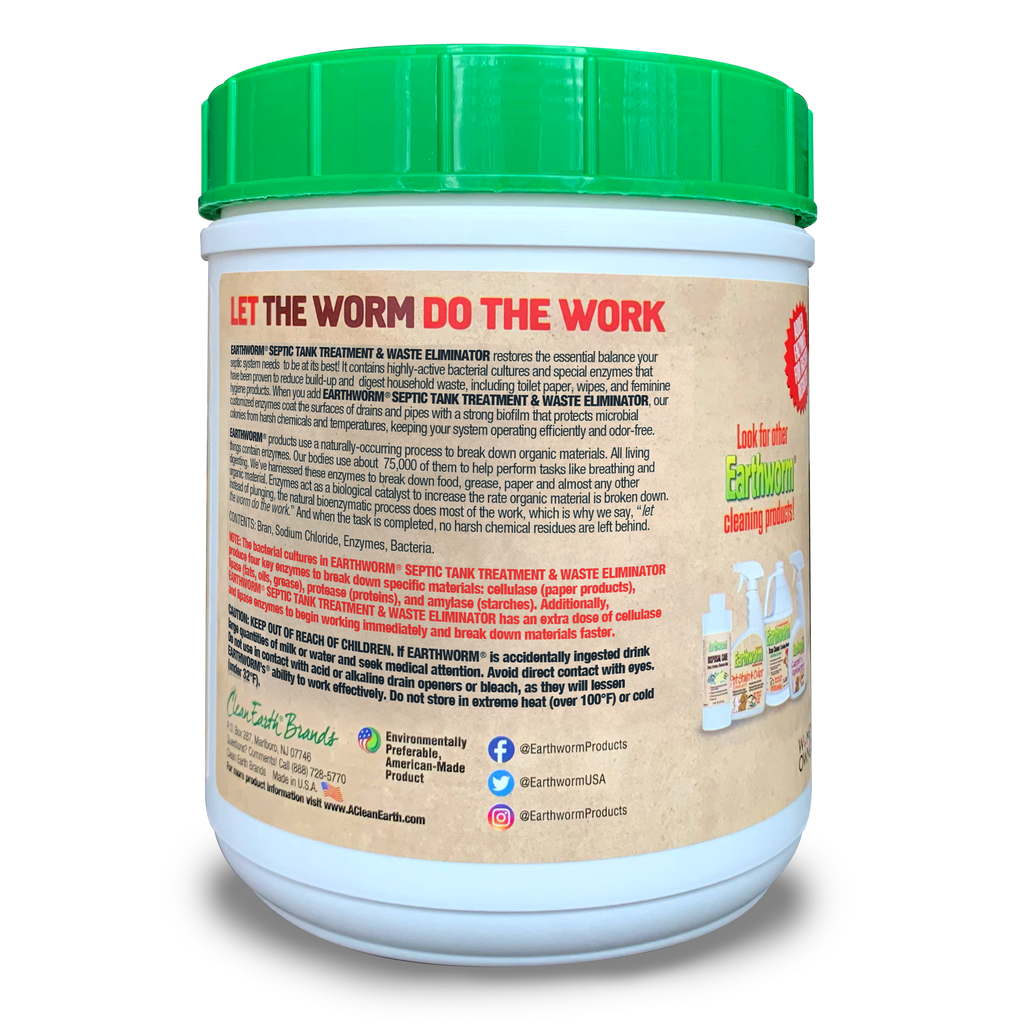
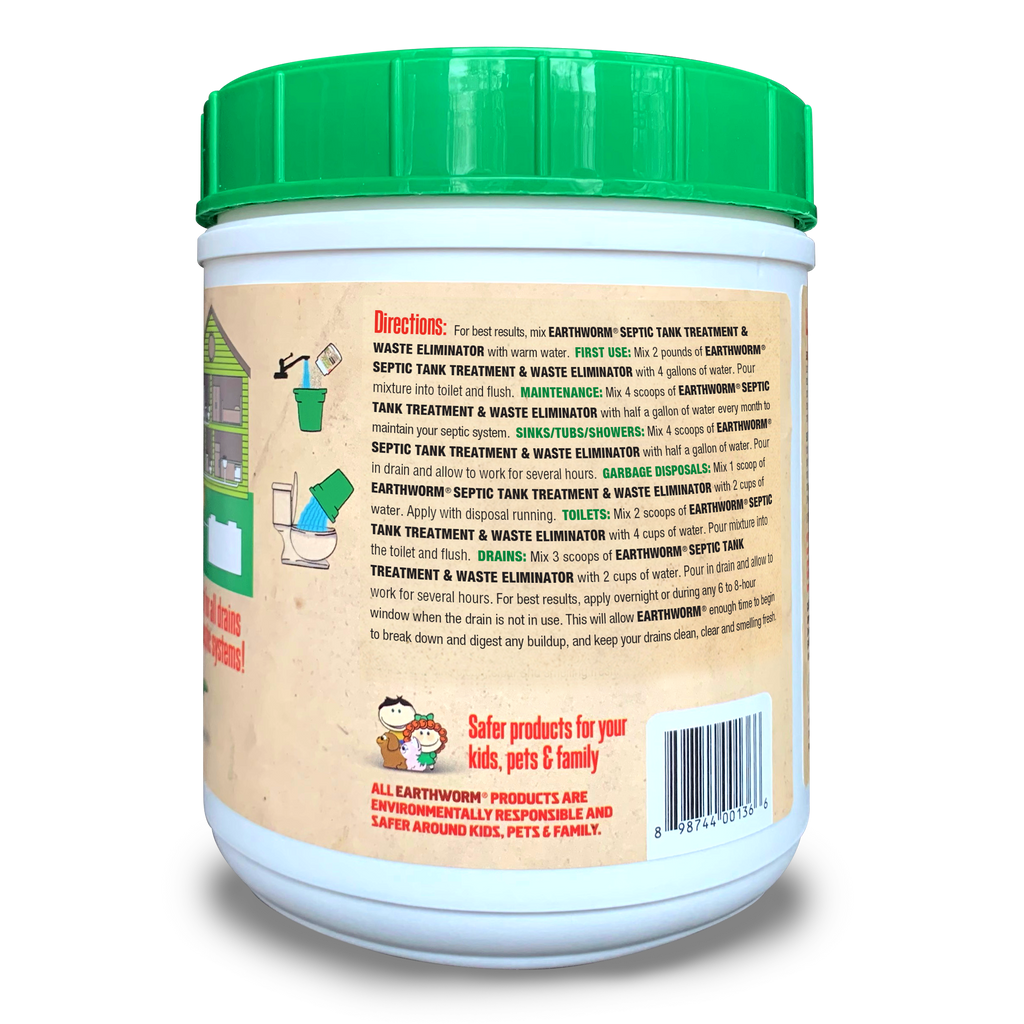
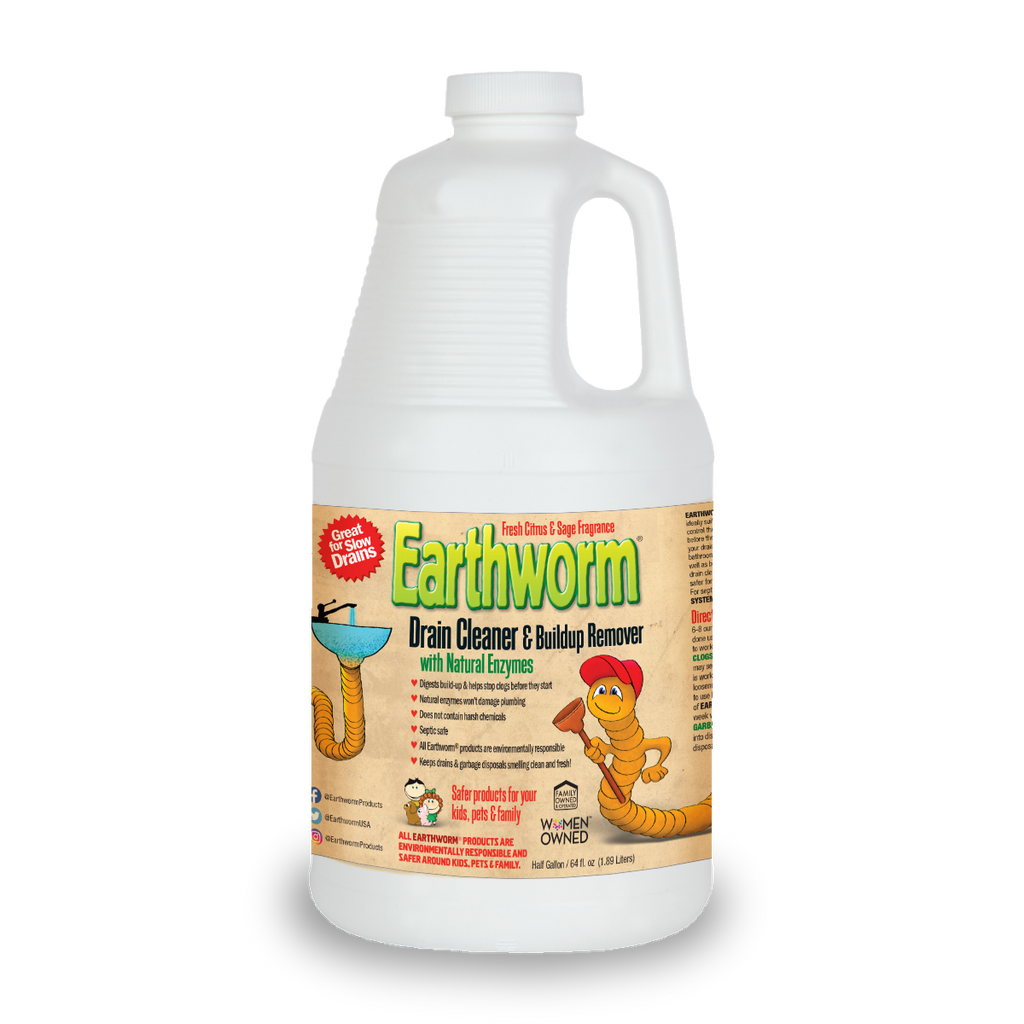
Earthworm Cleaning Products

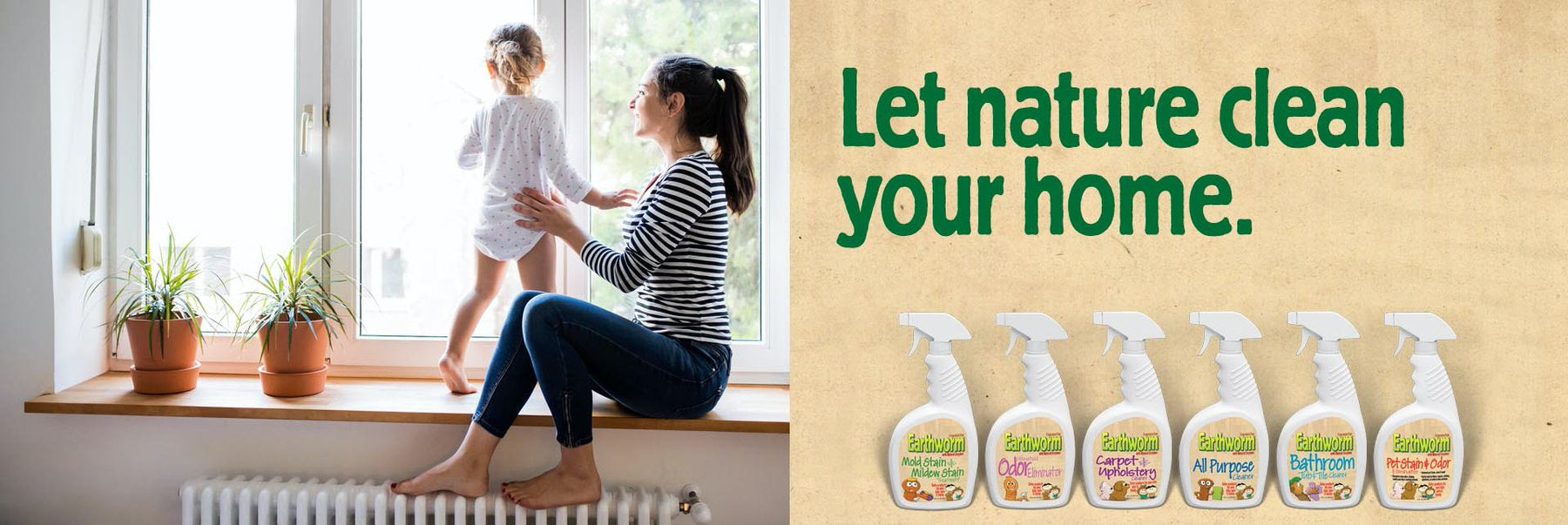
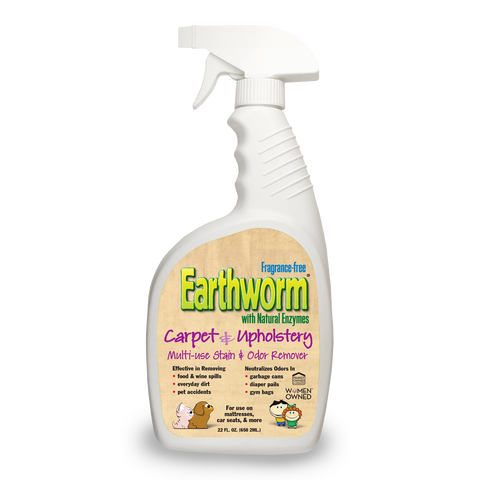
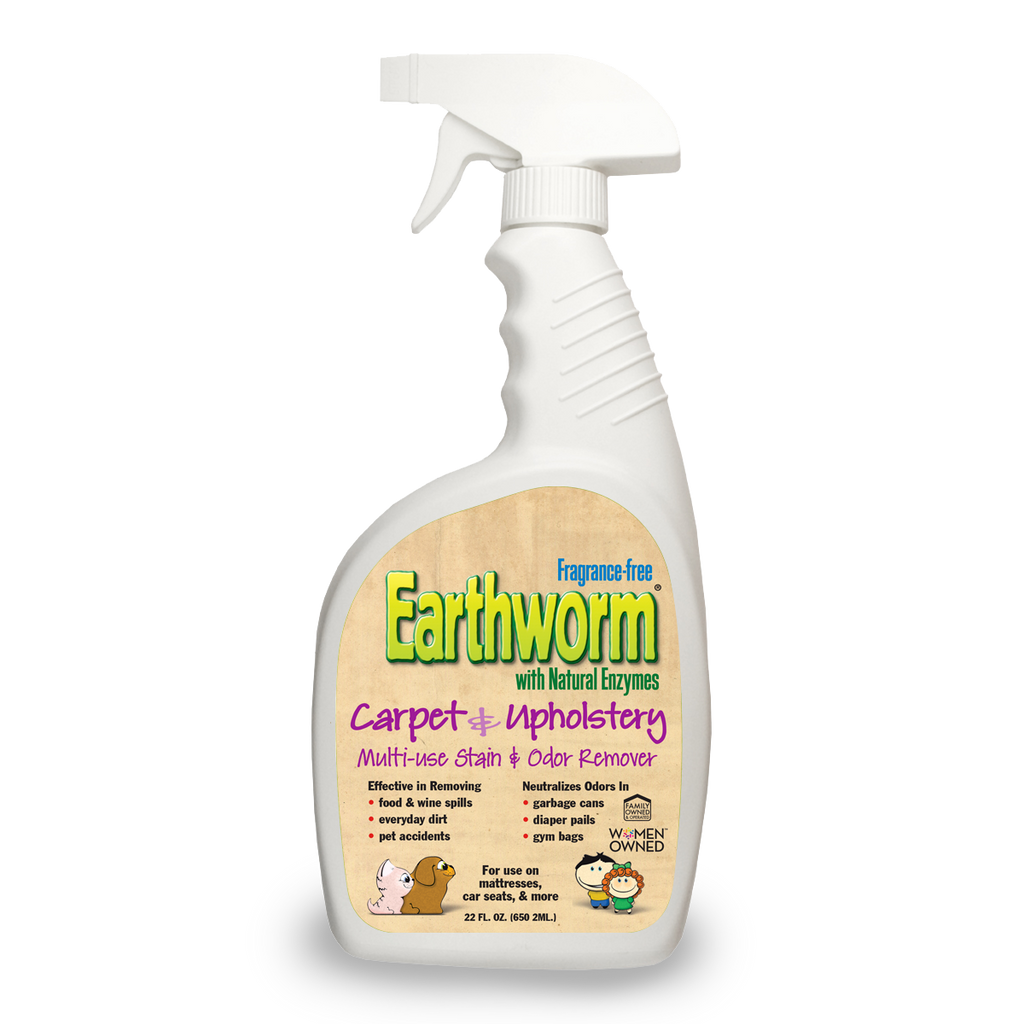
You deserve easy access to cleaning products that are safer for you, your pets, your kids, and the environment. Shop online for our Earthworm cleaning products that you can feel confident in using anywhere in your home.

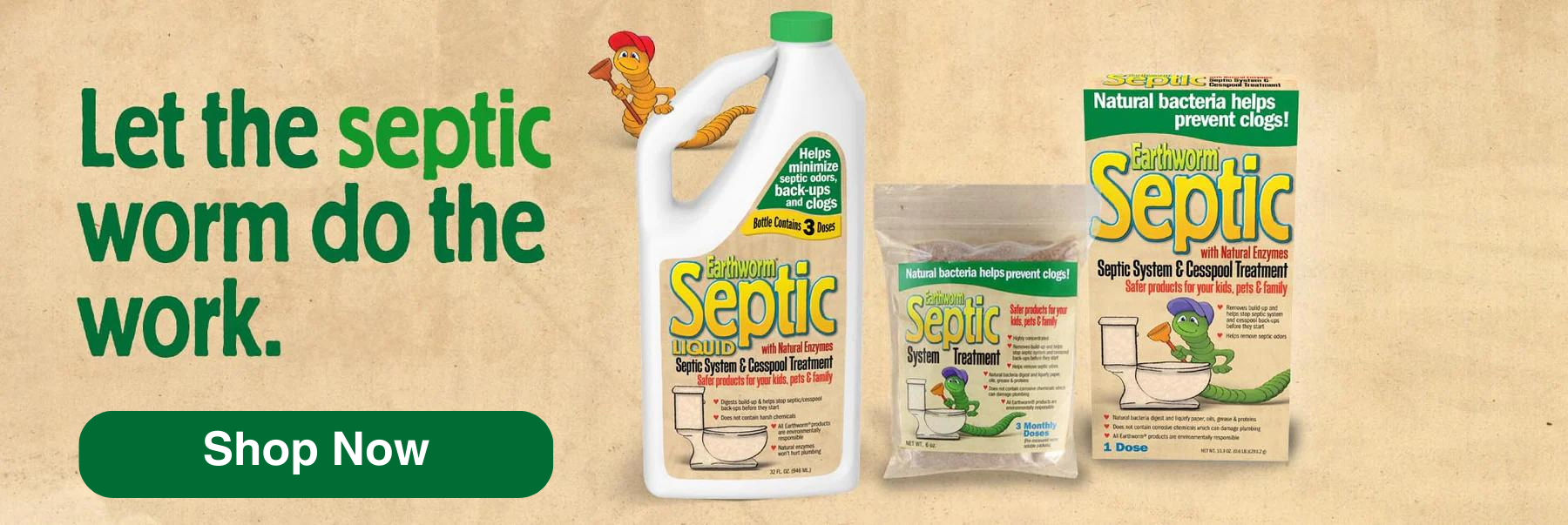
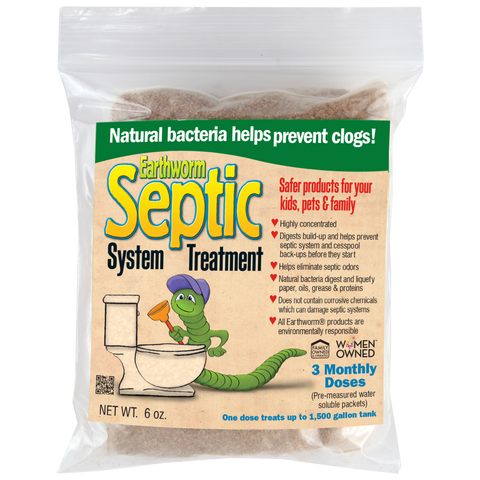
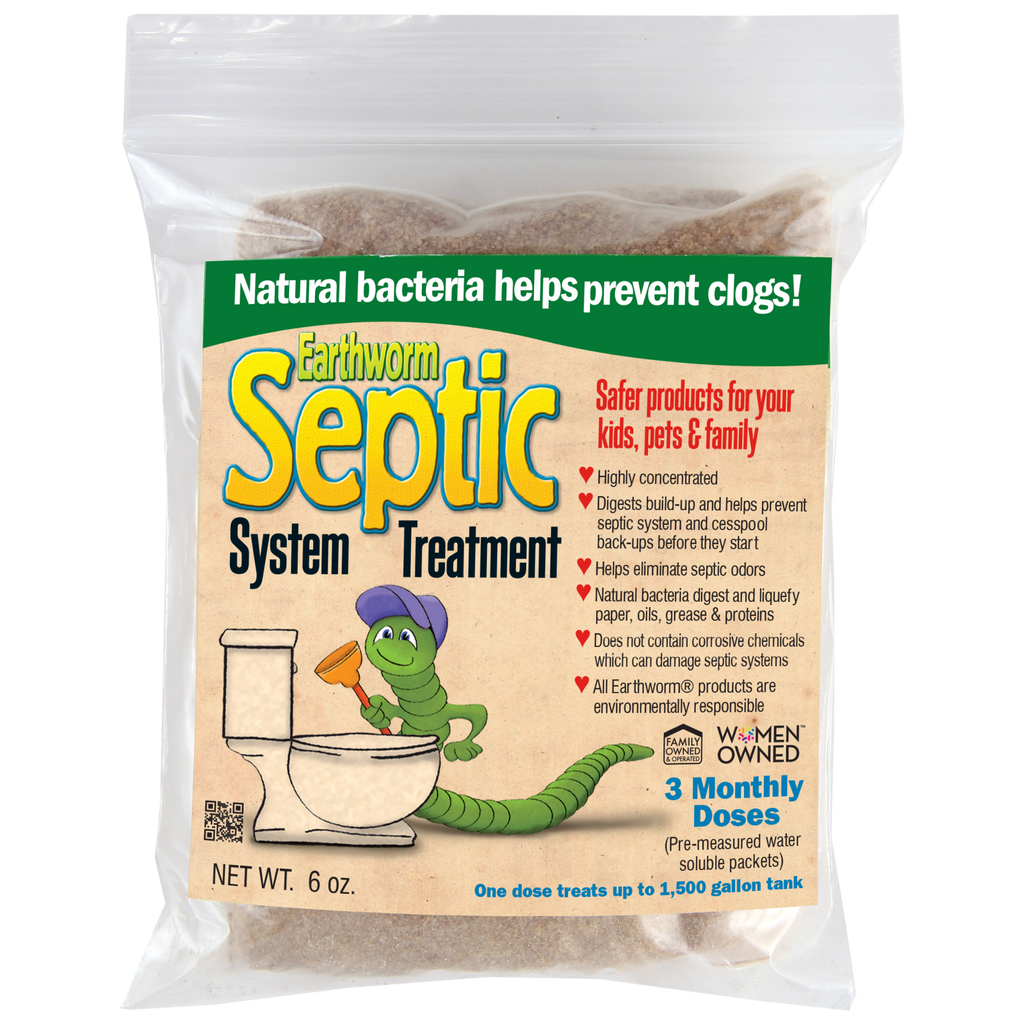
Using a naturally occurring process to easily break down almost any organic material, our products make it simple to maintain a greener, cleaner home. Our wide range of Earthworm cleaning products includes septic system treatments, drain cleaners, carpet cleaners, pet stain and odor removers, and many more.

At Earthworm, we are committed to providing environmentally preferable cleaning products for your home.

Household Cleaning Tips

How to Embrace Natural Cleaning with Pet-Friendly Products

If your dog licks the kitchen floor or your cat naps on the counters, your cleaner should be as safe as it is effective. You want a fresh home without eye watering fumes, and you want your pets to be comfy too. That is where natural cleaning comes in. It can cut through grime, help control odors, and keep paws and whiskers out of harm’s way.

In this beginner friendly how-to, you will learn what natural cleaning really means, which ingredients are pet safe, and which ones to skip. We will share simple DIY recipes using staples like vinegar, baking soda, and mild soap, plus when not to use them, like avoiding vinegar on natural stone. You will see how to read store labels, what certifications to look for, and how to switch over without blowing your budget. We will cover quick routines for floors, counters, and pet zones, easy stain and odor fixes, and safety tips like proper dilution and patch testing. By the end, you will have a clear plan to clean your home naturally, keep it smelling fresh, and make it safe for every wag and purr.

Gather Your Natural Cleaning Materials

What you need

Natural cleaning starts with a simple kit. Grab baking soda and white vinegar, proven for deodorizing, cutting grease, and dissolving mineral deposits, as outlined in the Eco-Cycle earth-friendly cleaning guide. Add lemon juice and castile soap, recommended plant-based staples by the West Amwell Environmental Commission. Keep 3 percent hydrogen peroxide for mild whitening. Stock reusable microfiber or cotton cloths and two glass or BPA-free spray bottles. To stay kid and pet friendly while tackling organic messes, include Earthworm enzymatic cleaners like Drain Cleaner, Carpet and Upholstery Cleaner, and Bathroom Tub and Tile Cleaner.

Steps to stock your kit

  1. Mix your basics: in one bottle combine equal parts water and vinegar for glass and counters; in another, add 1 teaspoon castile soap to 16 ounces water for an all-purpose spray. Label both so they are grab-and-go.

  2. Portion powders: decant baking soda into a shaker for sinks and tubs, and keep lemon juice ready for stains and rust. Expect gentle scouring with less scratching and fresher odors.

  3. Add enzymes and organize: use Earthworm Drain Cleaner weekly, 3 to 5 ounces per drain at night, keep the Carpet and Upholstery Cleaner for pet accidents, and use the Tub and Tile Cleaner on soap scum. Store reusable cloths in a caddy to replace paper towels and speed up routines.

With your kit ready, we will tackle each room step by step.

Step-by-Step Guide to Natural Cleaning

What you need

  • Microfiber cloths, a soft-bristle brush, spray bottle, and gloves.

  • Distilled white vinegar, baking soda, warm water.

  • An enzyme cleaner for organic messes. Earthworm’s kid and pet safe formulas are a great fit for septic, drains, carpets, and odors.

Step 1: Start easy to build confidence

Mix 1 cup vinegar with 1 cup water in a spray bottle.
Mist kitchen counters, glass, and mirrors, then wipe with a microfiber for a streak-free finish. Skip vinegar on granite or marble to prevent etching; use warm water and a damp cloth there. For sinks and stovetops, sprinkle baking soda, spritz with your natural cleaning mix, and gently scrub. Baking soda gives mild abrasion and deodorizing that beginners love, as noted in this guide. Expected outcome: visibly cleaner high-touch areas in 10 minutes and shine.

Step 2: Bring in enzymes for stubborn organic stains

For pet accidents, food spills, and grease, reach for enzymes. Proteases tackle protein messes, lipases break down fats, and amylases digest starchy residues. Generously spray the spot, let it sit 5 to 15 minutes, then blot or rinse. DIY fans can try a citrus-infused vinegar enzyme spray outlined by Humblebee & Me here. Expected outcome: odors neutralized and stains lifted without harsh residues, ideal around kids and pets.

Step 3: Technique matters, scrubbing and soaking

Always give cleaners dwell time before you scrub. Agitate with small circular motions using a microfiber or soft brush to lift soil without scratching. For laundry pre-treats and carpet spots, apply enzyme cleaner, cover with a damp cloth to keep it active, wait, then blot. Natural cleaners topped $6.8B in 2023, and over 70 percent of consumers now prefer non-toxic options.

Focusing on High-Traffic Areas

Pets nap, kids sprawl, and these spots collect more crumbs, fur, and mystery smudges than anywhere else. Clean them first and often, you cut odors, allergens, and germ load where noses and hands spend time. Stick with non-toxic, plant or enzyme based products so nothing harmful lingers on chewable toys or nap spots, research shows safer cleaners reduce exposure without sacrificing results, see this helpful overview on pet safe and kid friendly cleaning. With over 70 percent of consumers preferring green options and the natural cleaning category expanding quickly, this approach supports health and sustainability. Use the routine below to refresh high-traffic areas in 20 to 30 minutes.

What you need

  • HEPA-filter vacuum

  • Microfiber cloths and a soft brush

  • Laundry machine with hot setting

  • Bucket with warm water

  • Earthworm Carpet & Upholstery Cleaner, Earthworm Pet Stain & Odor Eliminator

  • Optional: baking soda for deodorizing

Step-by-step

  1. Dry prep. Shake out pet beds and play mats outdoors, then vacuum slowly with a HEPA filter, focusing on seams and edges. Expect less fur, dander, and dust in the air.

  2. Wash soft items weekly. Remove covers, blankets, and machine-washable plush toys, run a hot cycle at about 130 F with an extra rinse, then air-dry in sunlight when possible. This cuts dust mites and everyday grime.

  3. Spot messes fast. Blot liquids, avoid rubbing, then apply an enzyme cleaner to fully saturate the stain. Let it dwell 10 to 15 minutes, blot, and repeat as needed for odor-free results.

  4. Deep clean fabrics. Spray high-traffic carpet paths, upholstery arms, and vehicle seats, gently agitate with a brush, then wipe and allow to dry. Expect lifted stains without crunchy residue.

  5. Hard surfaces and toys. Wipe play tables, bins, and plastic toys with a non-toxic cleaner, rinse items that go in mouths, and air-dry completely.

Earthworm picks for high-traffic messes

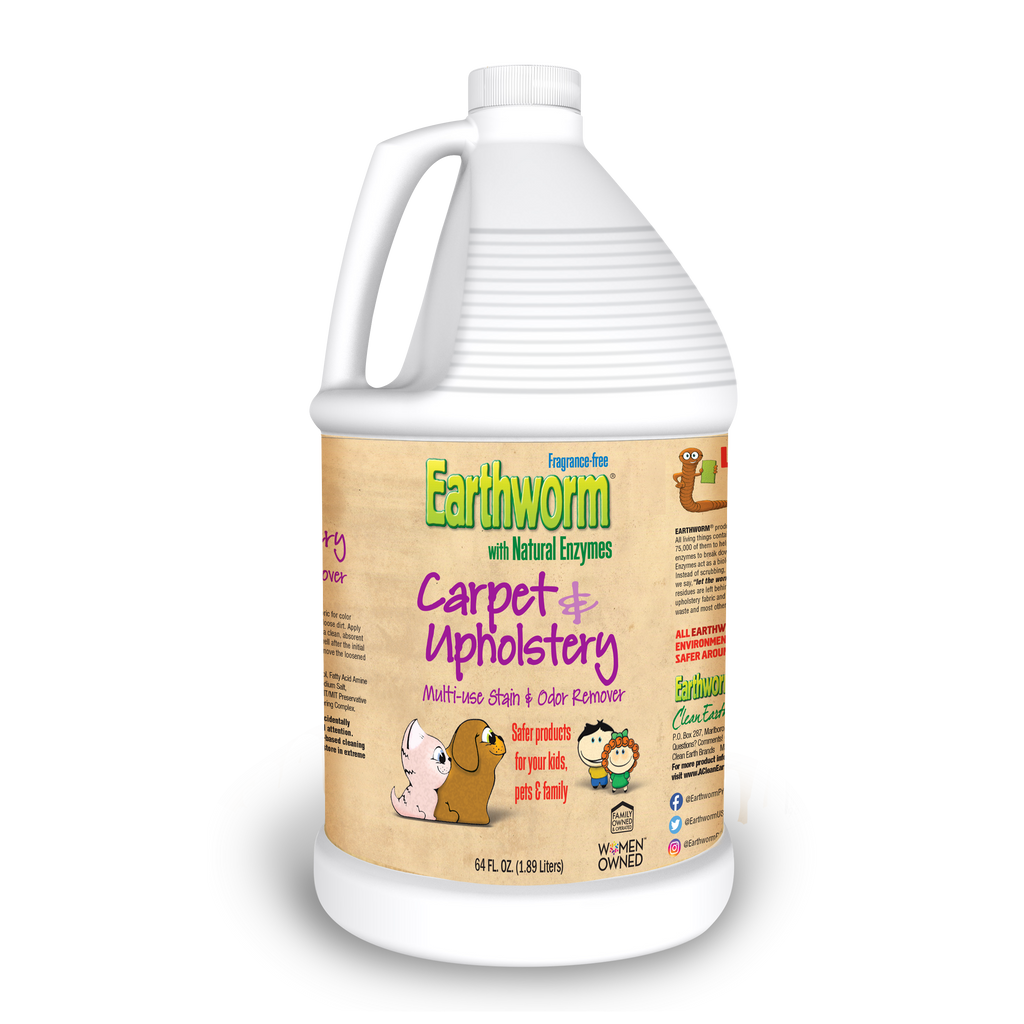
For fabric refreshes, reach for Earthworm Carpet & Upholstery Cleaner. Its enzyme formula penetrates fibers to break down food spills and tracked-in soil without added fragrance. For pet accidents, Earthworm Pet Stain & Odor Eliminator targets urine and vomit, removing the odor source so pets are less likely to re-mark. Both are non-toxic, safe around kids and pets, and made in the USA. Use them weekly in high-traffic zones to keep beds and play areas fresh between full washes.

Troubleshooting Common Issues

Quick checks and supplies

Natural cleaning shines when you match the method to the mess, and over 70 percent of consumers now prefer green options for health and air quality. Before you start, check fabric codes, test any solution on a hidden spot, and vacuum or blot to remove loose debris. Materials needed: baking soda, white vinegar, liquid Castile soap, 3 percent hydrogen peroxide, witch hazel, microfiber cloths, a soft brush, and enzyme cleaners from Earthworm. Prerequisites are simple, dry areas first, avoid mixing vinegar with peroxide in the same container, and keep pets off damp surfaces until dry. Expected outcomes, stains fade, odors neutralize at the source, and surfaces are left residue free and safe around kids and pets.

Step 1: Rescue stains, fast

  1. Blot, do not rub, to pull up as much liquid as possible within the first 5 minutes. 2. For sweat or food stains, spread a 3 to 1 baking soda and water paste, let sit 30 to 60 minutes, scrub gently, then rinse; see this concise natural stain removers guide. 3. For greasy marks, wet the spot, add a few drops of liquid Castile soap, dwell 15 to 30 minutes, then launder or rinse. 4. If color transfers to your cloth, stop, flush with cool water, and move to Step 3 to avoid setting the stain.

Step 2: Beat odors at the source

  1. For sour laundry or pet areas, mist white vinegar, then sprinkle baking soda, allow fizzing for 30 minutes, and vacuum when dry. 2. For musty upholstery, mix witch hazel with water in a spray bottle, add a few drops of tea tree oil, lightly mist, and air out with a fan. 3. Tackle fridge smells by placing an open dish of baking soda overnight and wiping seals with vinegar. 4. Expected outcome, odors are neutralized rather than masked, a big reason the natural cleaners market climbed to 6.8 billion dollars in 2023 and continues to grow.

Step 3: When DIY is not enough

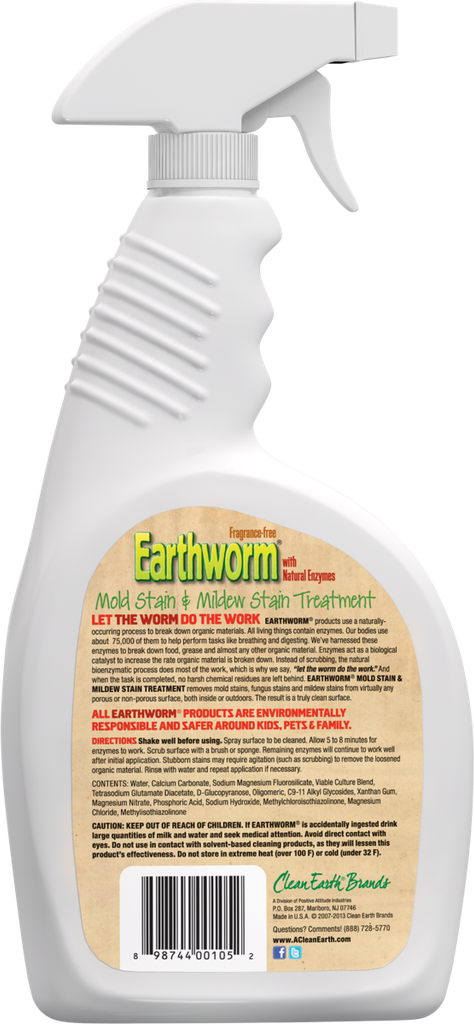
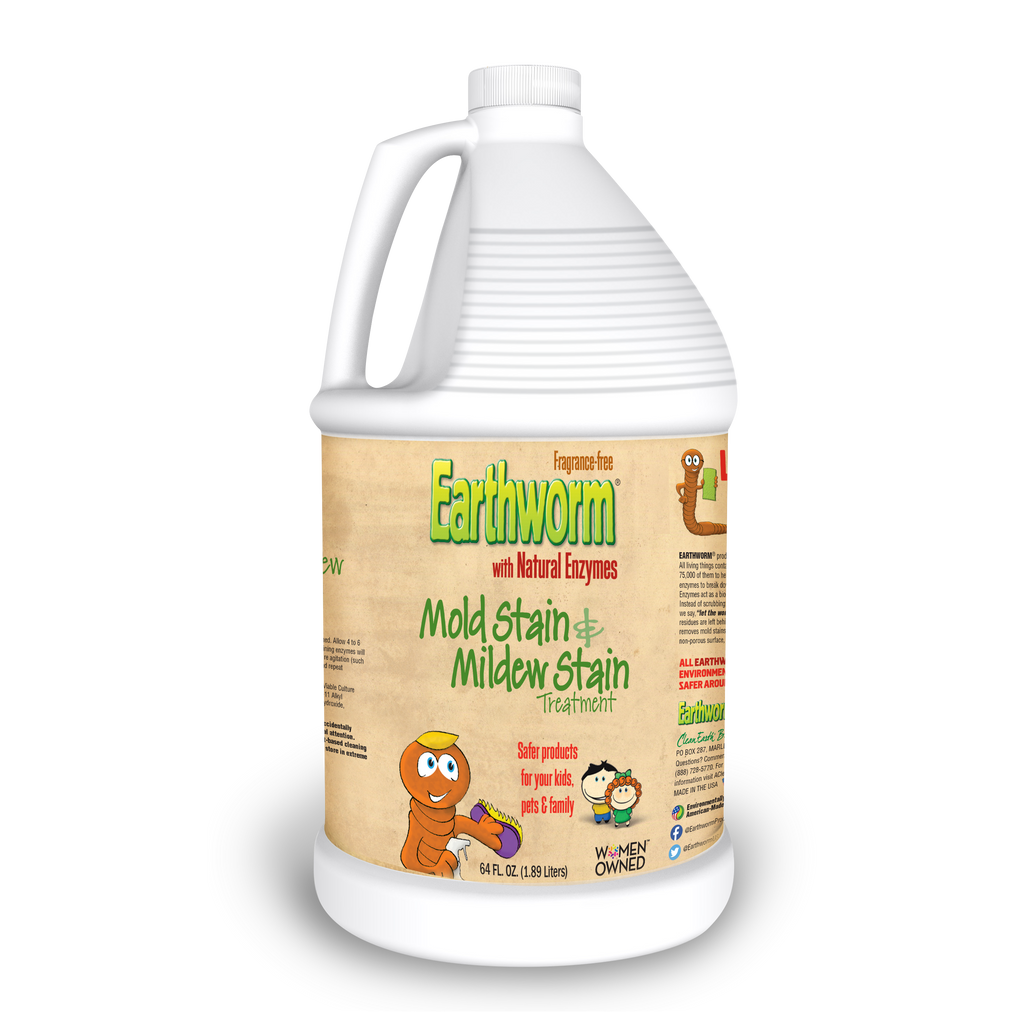
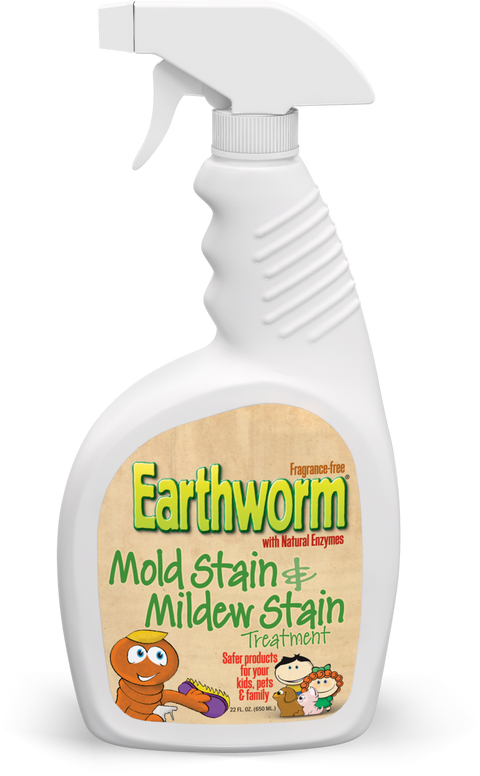
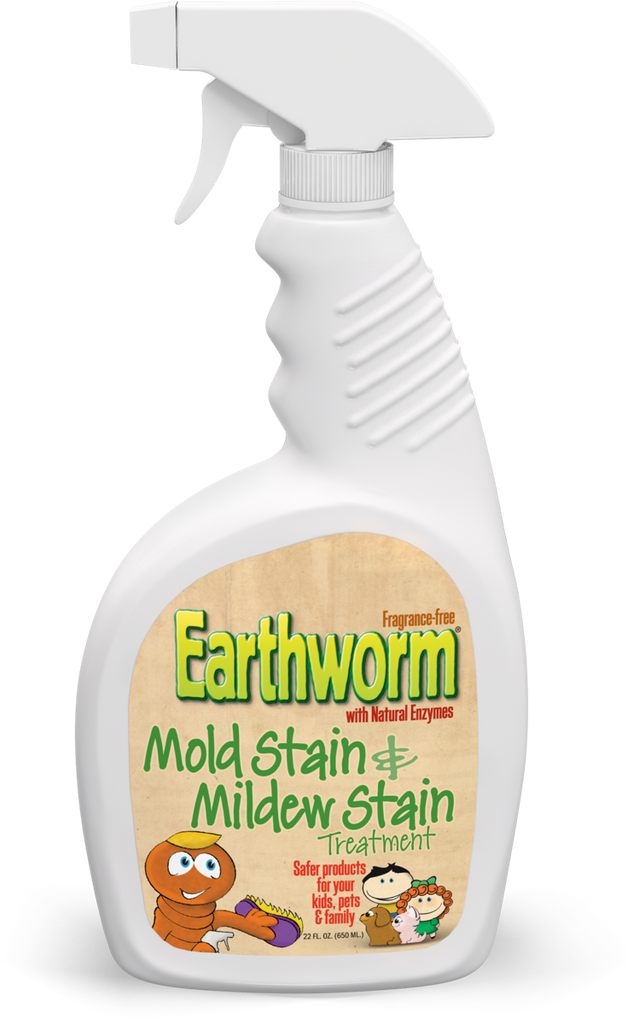
  1. Spot test hydrogen peroxide, apply a small amount to the stain, wait 5 minutes, blot, and rinse, discontinue if bleaching occurs. 2. Escalate to enzymes, which digest organic messes, apply Earthworm Carpet and Upholstery Cleaner liberally, dwell 10 to 15 minutes, then blot and allow to dry; its fragrance free formula is Carpet and Rug Institute approved. 3. For pet accidents, saturate with Earthworm Pet Stain and Odor Eliminator, cover with a damp towel for an hour to keep enzymes active, then blot, repeat for old urine rings. 4. For bathroom grout or basement funk, use Earthworm Mold and Mildew Treatment on porous or non porous surfaces, let sit as directed, and wipe clean. Results you should see, stains lighten after one cycle and odors continue to fade over 24 hours as enzymes keep working.

Adopting Sustainable Cleaning Practices

Why reuse and sustainable packaging matter

Sustainable natural cleaning is not just about gentler ingredients, it is also about cutting waste at the source. Swapping disposable wipes for washable cloths and using durable, reusable mop heads lowers landfill load and saves money over time, a simple change highlighted by this overview of eco-friendly cleaning practices. Reuse models are powerful at scale, with research indicating systems built around reuse can eliminate up to 90% of packaging waste and cut emissions by as much as 80% compared with traditional recycling, according to Reuters. Choosing biodegradable or recyclable packaging further reduces environmental footprint, and these materials are designed to break down or cycle back into use, as discussed by Solupak. With over 70% of consumers preferring non-toxic options and the natural cleaning market growing steadily, adopting low-waste habits is both planet smart and budget friendly.

Step-by-step: make your routine more sustainable

Prerequisites: Rinse and dry any empty bottles, check your local recycling rules, and set a simple refill reminder on your phone.
Materials: 4 to 6 microfiber cloths, a reusable mop head, a refillable spray bottle, Earthworm enzyme cleaner concentrate, labels or a marker.
Expected outcomes: Fewer disposables heading to the trash, lower long-term costs, simpler storage, and a healthier home for kids and pets.

  1. Audit and swap. List single-use items you buy monthly, then replace them as you run out with reusables like microfiber cloths that can endure hundreds of washes. Track how many rolls or wipes you no longer purchase.

  2. Buy concentrates and refills. Choose cleaners in recyclable or biodegradable packaging and prioritize concentrated formulas that reduce shipping weight and plastic. Store refills in one bin so you reuse the same bottles.

  3. Build a wash routine. Launder cloths on warm, air-dry when possible, and rotate sets so they last longer. Replace mop heads only when worn to extend their lifespan.

  4. Choose Earthworm for low-waste cleaning. Earthworm’s enzyme-powered solutions come in recyclable, sustainably minded packaging and refill-friendly formats, are non-toxic, and are made in the USA without animal testing. You get effective odor and stain breakdown while cutting single-use plastic.

Conclusion: Bringing It All Together

Natural cleaning works, and it is safer for the people and pets you love. The natural cleaning market hit about $6.8 billion in 2023 and is growing roughly 7.8 percent a year, a sign that safer ingredients deliver results. More than 70 percent of consumers now prefer non toxic products for better air quality and fewer irritants at home. In daily use, vinegar cuts grease and glass streaks, baking soda tackles odors, and an enzyme cleaner handles pet stains without harsh residues. Earthworm uses enzymes to break down organic messes on contact, is made in the USA, never tested on animals, and is safe around kids and pets when used as directed.

Prerequisites: a simple kit and five focused minutes; materials: microfiber cloths, white vinegar, baking soda, warm water, and an Earthworm enzyme cleaner; expected outcomes: less odor, clearer surfaces, and calmer indoor air. 1. Pick one room today, replace one conventional product, and snap a before-after photo. 2. Hit high-traffic spots twice a week, sprinkle baking soda, mist vinegar, and wipe with a damp microfiber. 3. For pet accidents, apply Earthworm, let it dwell 10 to 15 minutes, then blot to neutralize odor at the source. 4. Share what worked in the comments, tag @Earthworm, and commit to refillable, pet-friendly choices next. Your home, your pets, and the planet will thank you.

December 13, 2025 by Andrew C

Comparing Pet Stain Removers for a Cleaner Home

Pet accidents happen, but stains and smells do not have to linger. If you are new to cleanup, choosing the right pet stain odor and urine remover can feel confusing. Labels promise instant results, yet formulas vary widely in how they work and where they are safe to use. The wrong choice can set a stain, leave residue that attracts dirt, or simply mask odor instead of neutralizing it.

In this comparison, you will learn the key differences between enzyme based cleaners, oxygen boosters, solvent blends, and plant derived options. We will explain which formulas remove fresh puddles versus set stains, how dwell time affects results, and what to use on carpet, upholstery, sealed hardwood, and tile. You will also see how to read ingredient lists, what certifications and safety notes matter for homes with kids and pets, and how to judge cost per use rather than price per bottle. By the end, you will know exactly which product type fits your home, your surfaces, and your budget, so cleanup is faster and your home stays truly clean.

Understanding Pet Stain Challenges

Common pet stain issues

For most households, liquid accidents are the first offenders. Urine during house training or from senior pets can seep past carpet fibers into the pad, creating persistent odor and bacteria, see health risks of pet urine on carpets. Vomit, feces, and tracked-in mud add proteins, fats, and soils that bond to fibers if not treated fast, as noted by common pet stains and how pros remove them. Keep a UV flashlight to find old urine. Quick blotting within minutes reduces spread into pad and subfloor.

Impact on floors and carpets

Pet urine can weaken carpet backing, fade dyes, and leave yellow or brown halos that return after cleaning. On hardwood, moisture and acids slip through finish microcracks, causing black stains and cupping if spills sit for hours. Tile resists liquids, but porous grout absorbs urine salts that later wick to the surface. Repeat incidents increase the likelihood of pad replacement, plank sanding, or grout sealing. Fast, correct cleaning protects warranties and resale value.

Indoor air quality fallout

Soiled carpets collect pet dander and dust that puff into the breathing zone with every step. Moist spots foster bacteria and mold that release irritants. As urine decomposes, it emits ammonia and other volatile organic compounds that irritate eyes and lungs. Carpets can harbor more allergens than hard floors, a concern for children and people with asthma. Reducing residues and moisture directly improves indoor air quality.

Cleaning approaches compared and recommendations

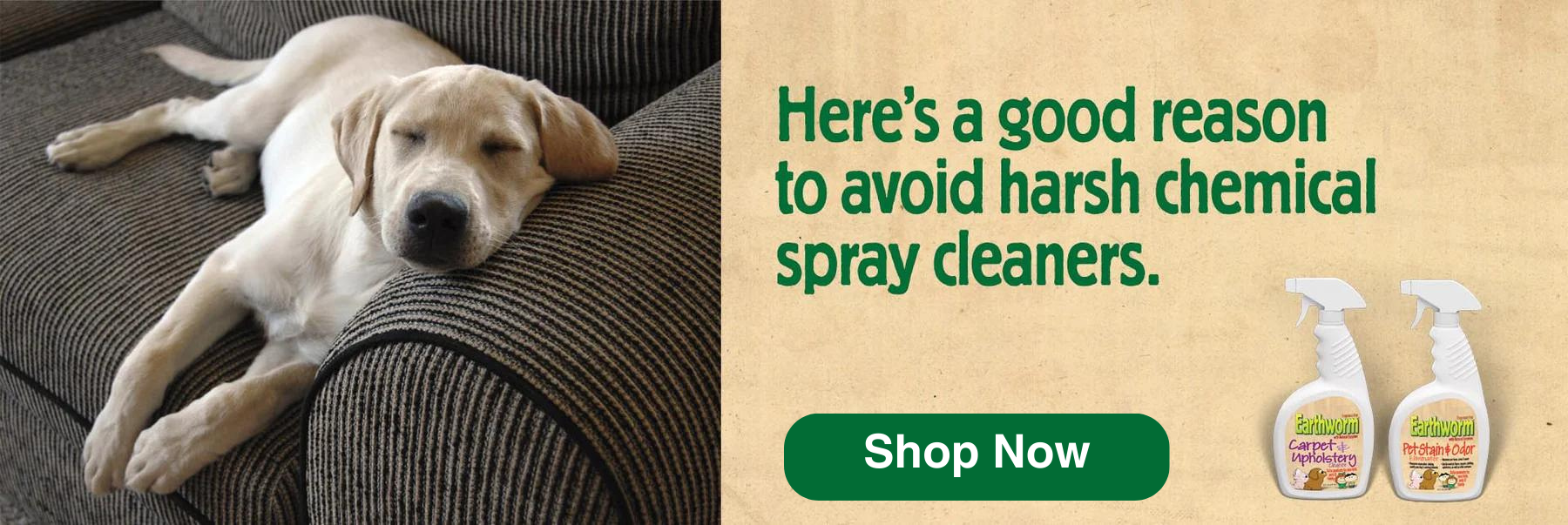
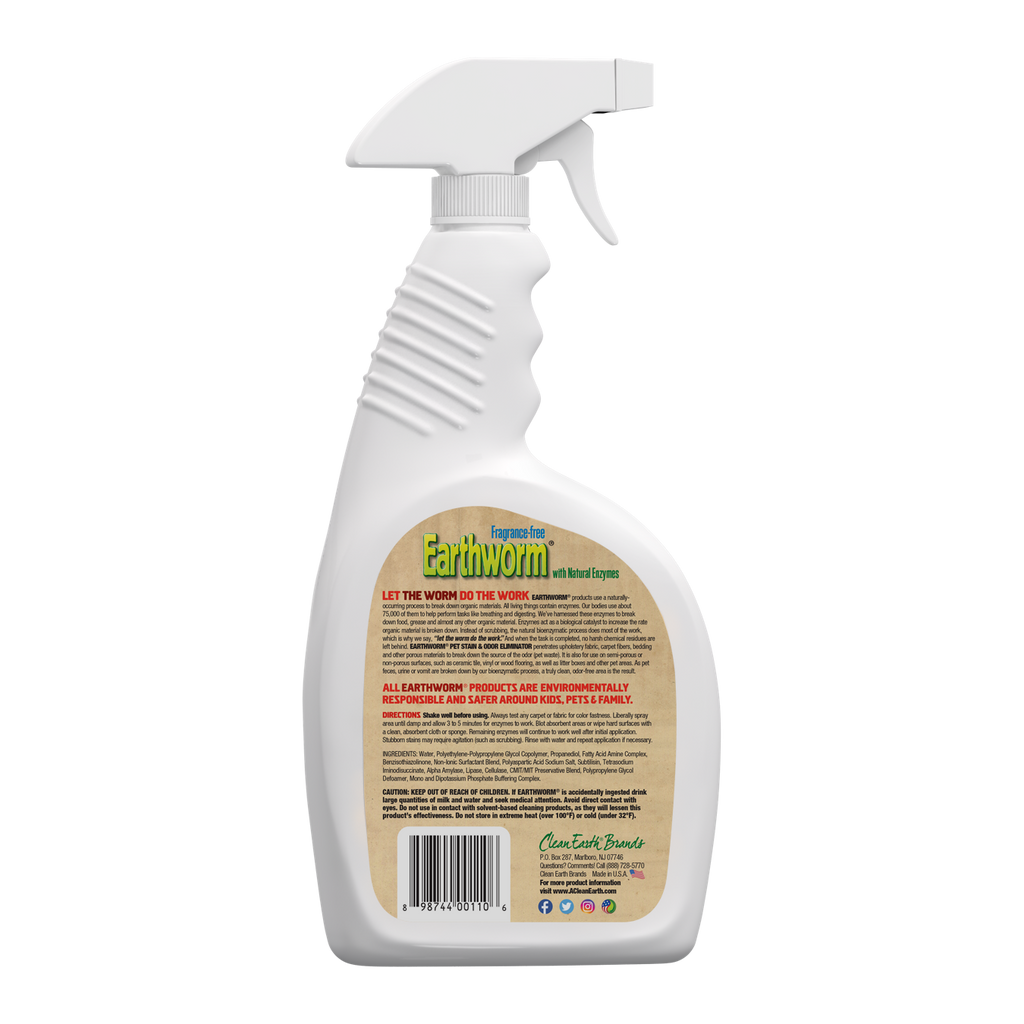
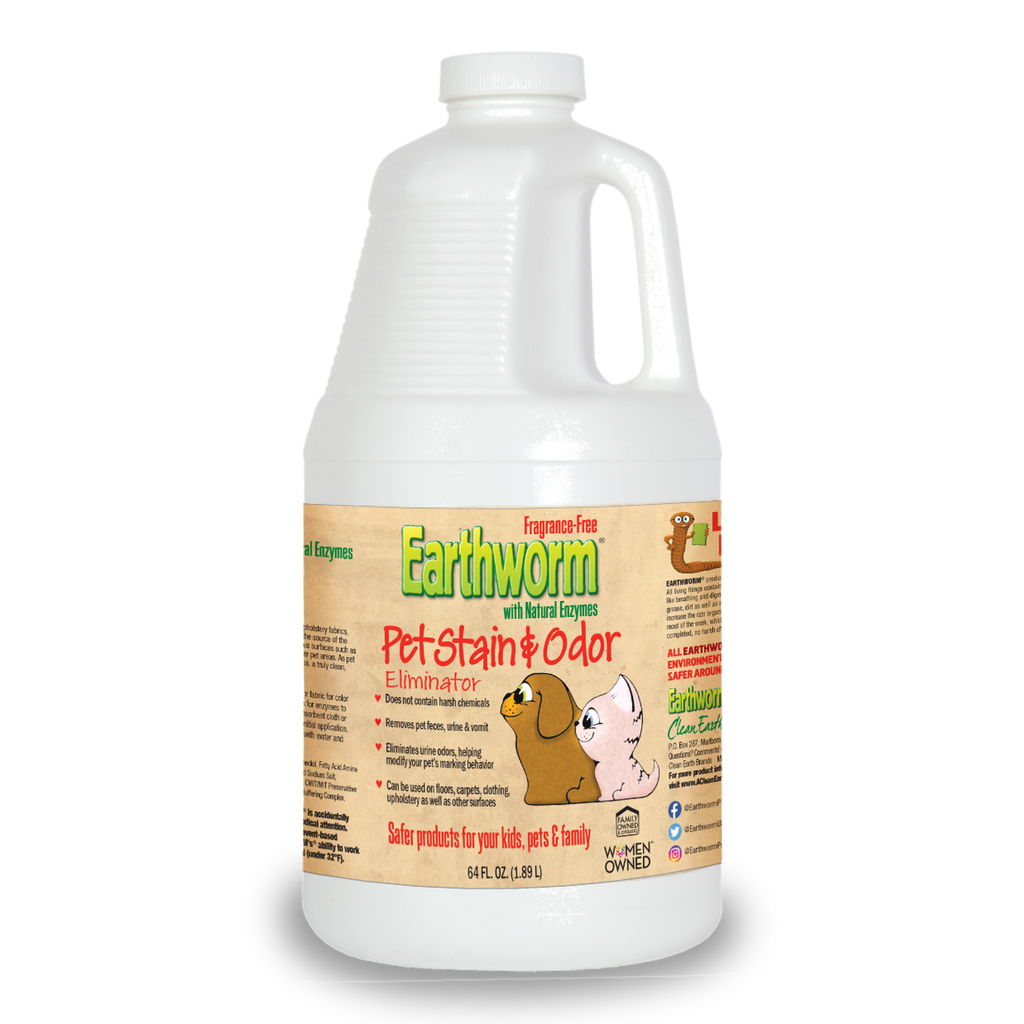
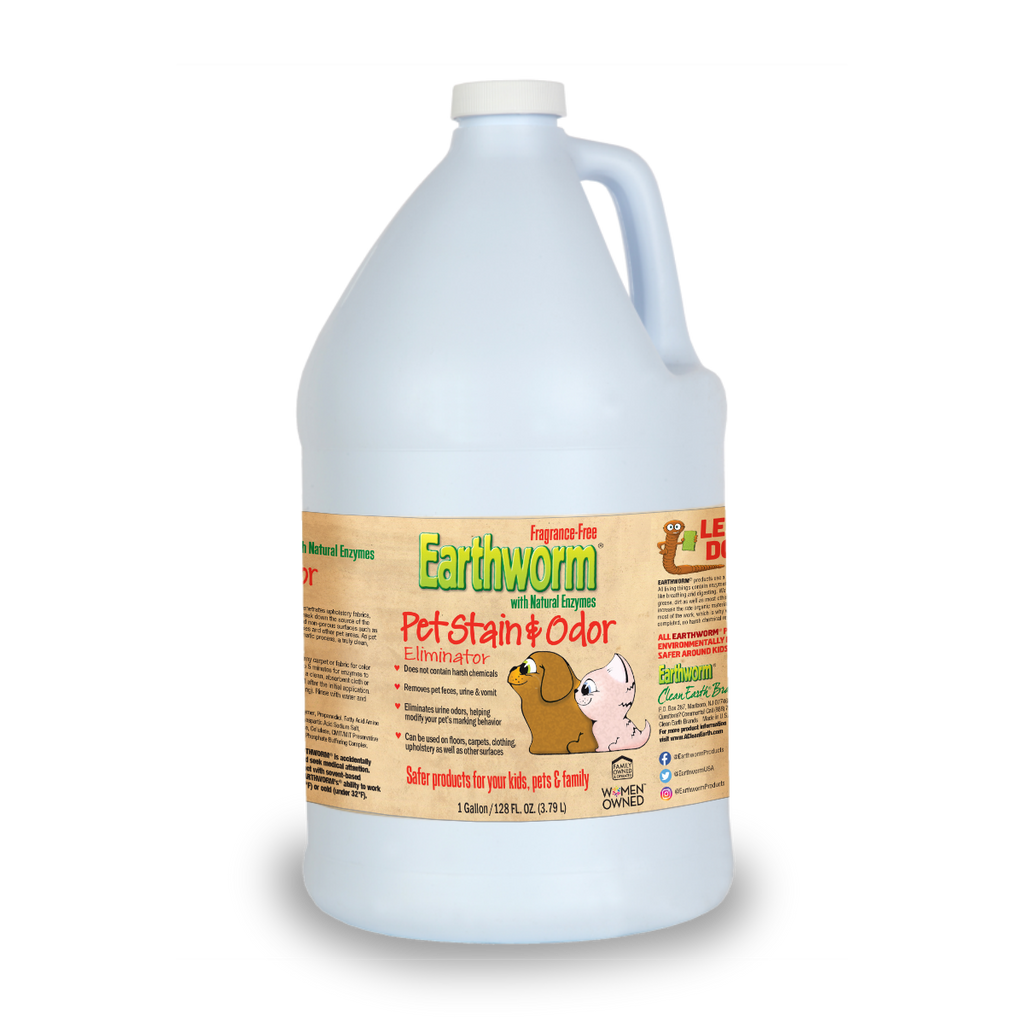
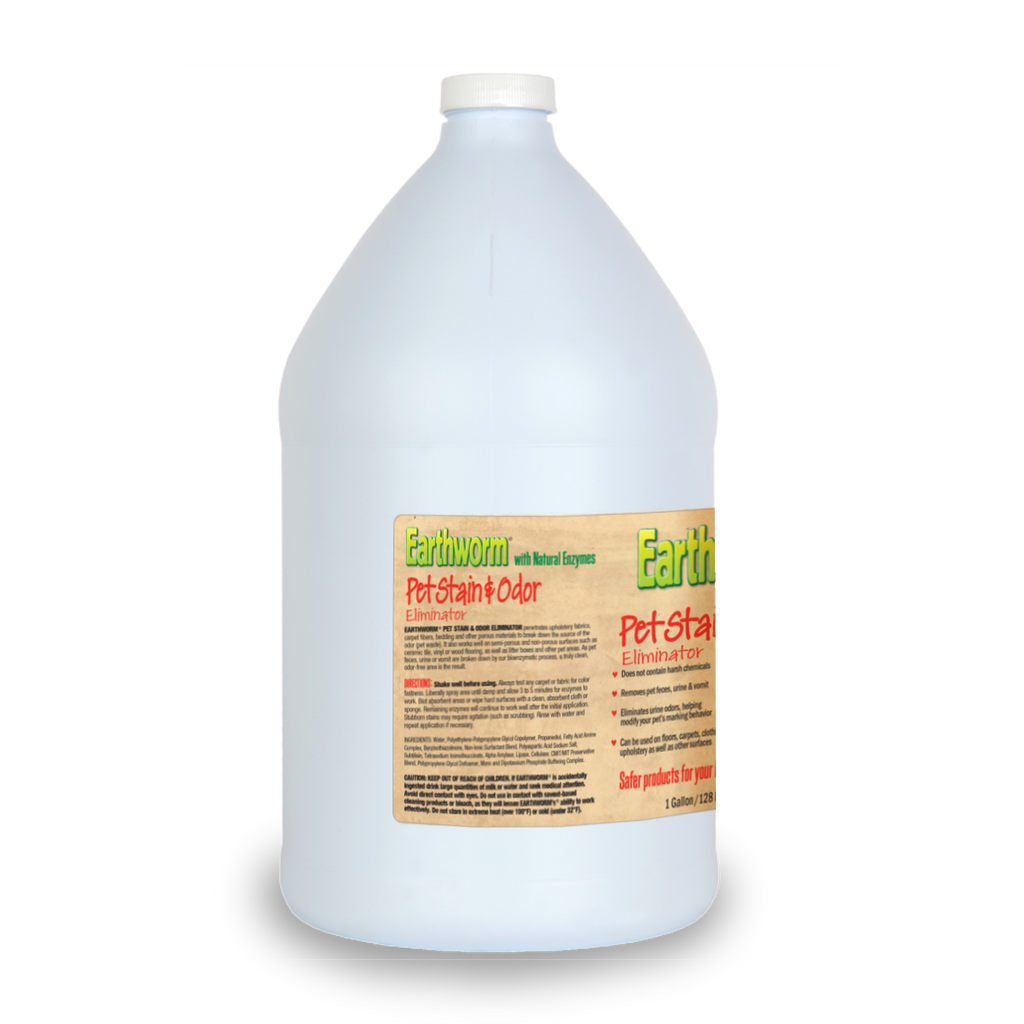
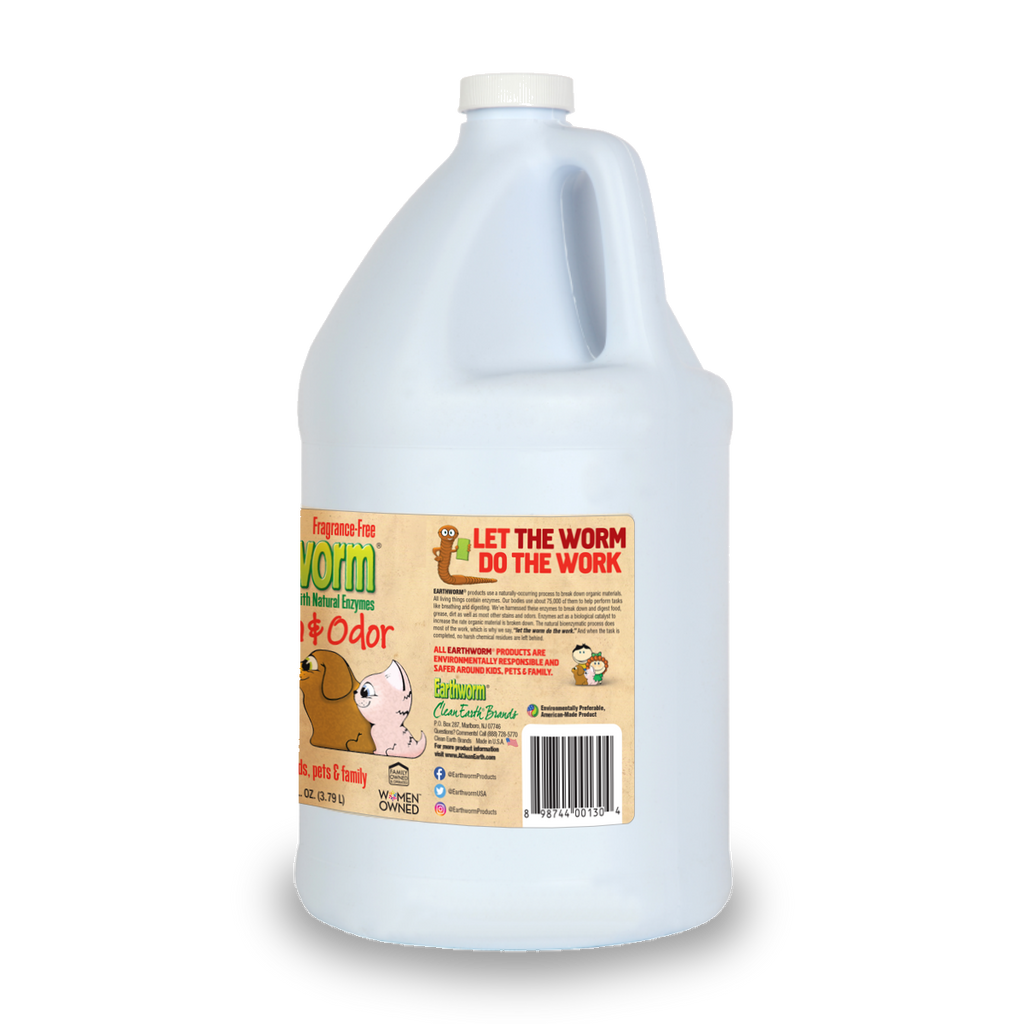
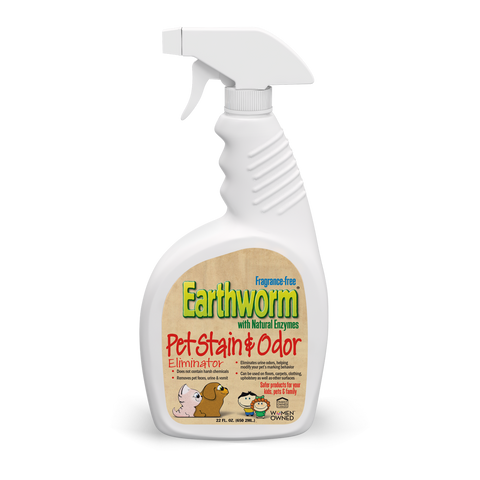
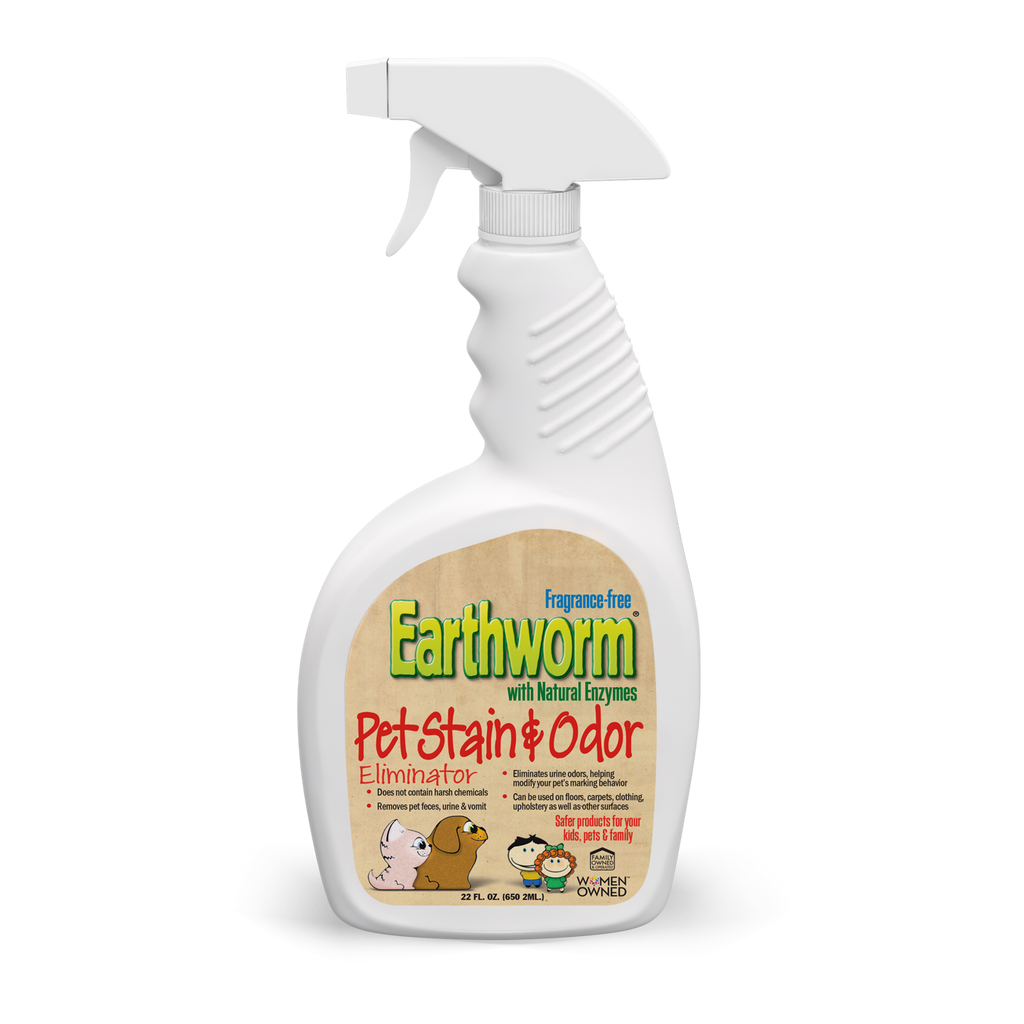
Detergents and fragrance sprays mask odors, and vinegar or peroxide may lighten stains, yet they leave residue, set dyes, or dull finishes. Avoid steam on urine. By contrast, enzyme and probiotic cleaners break urine crystals and digest organic matter, remove odor cues that trigger re-marking, and are non-toxic, low VOC, and biodegradable, a profile matched by Earthworm's Pet Stain & Odor Eliminator. For health-conscious homes, choose a bioenzymatic pet stain odor and urine remover, allow 10 to 15 minutes of dwell time, then blot and rinse.

Key Considerations in Choosing Pet Stain Removers

Compare cleaning approaches by performance

For fresh and set-in accidents, enzymatic formulas are the gold standard because they digest the proteins and uric acid salts that cause stains and smells, eliminating the source rather than masking it. Independent guides to effective pet stain removers note that top performers combine enzymes with true odor neutralization and broad surface compatibility, so you can treat carpet, rugs, upholstery, and sealed floors with confidence guide to effective pet stain removers. Oxygen-based cleaners lift discoloration quickly, a plus for fresh vomit or food spills, but they may not fully neutralize urine odor, so re-marking can persist. Solvent or fragrance-heavy formulas act fast and smell clean, yet they often leave residue and can discolor fibers. Emerging probiotic cleaners seed helpful microbes that keep working after application, useful for multi-pet homes, though they may take longer to show visible results. Earthworm’s bioenzymatic Pet Stain & Odor Eliminator aligns with the enzymatic best-practice approach and is designed to stop repeat marking.

Evaluate safety for kids and pets

Safety starts with chemistry. Choose non-toxic, low-VOC formulas to reduce indoor air pollution, a priority the EPA highlights for healthier homes. Avoid bleach and ammonia, which can irritate airways and entice pets to re-soil, and look for hypoallergenic, dye-free products with transparent ingredient lists. Practical checkpoints include clear directions, surface listings, and child- and pet-safe claims supported by brand credibility. Earthworm products are made in the USA, never tested on animals, and trusted by health-conscious buyers, reflected in a TrustScore of 4.5 out of 5 on Trustpilot, making them a dependable option for households with kids and pets.

Prioritize eco-friendliness and minimal residue

Biodegradable, enzyme-based cleaners reduce environmental impact, and recyclable packaging lessens household waste. Residue matters because sticky surfactants can attract dirt and may irritate sensitive paws; the best cleaners rinse clean or dry residue-free. Enzymatic options have an added advantage, they continue breaking down organic material until the area dries, which helps fully remove the odor cues that trigger re-marking. For delicate fibers like wool or specialty rugs, test in an inconspicuous spot and favor pH-balanced formulas labeled safe for those materials. If you prefer a pet stain odor and urine remover that balances performance, safety, and sustainability, an enzymatic choice like Earthworm provides the most consistent results across everyday use cases.

Side-by-Side Analysis of Top Pet Stain Removers

Effectiveness: enzymes vs oxidizers

For beginners choosing a pet stain odor and urine remover, start with enzymatic options that digest urine crystals and proteins to the source. Earthworm Pet Stain & Odor Eliminator uses a bioenzymatic process that keeps working as the area stays damp, helpful for set-in carpet pad contamination and repeated marking. Rocco & Roxie’s Professional Strength earns strong marks for single-application performance on urine, feces, and vomit, and carries the Carpet and Rug Institute Seal of Approval, a useful third-party signal for carpet safety and efficacy American Homeowners Association testing of 2024 pet stain removers. Nature’s Miracle Advanced also uses bio-enzymes and is noted for severe messes across carpets and hard floors Bob Vila's best pet stain remover guide. Bissell pairs enzymes with oxygen boosters for tough stains, though users should expect a longer dwell time and a temporary wet odor per testing. Tip: whichever you choose, saturate beyond the visible spot to reach the pad, allow at least 10 to 30 minutes of dwell time, then blot, never scrub.

Safety in real homes: kids, pets, and air quality

Health-conscious households should prioritize chlorine-free, color-safe, and low-VOC formulas. Earthworm avoids harsh chemicals and fragrances, important for reducing indoor air pollutants and skin sensitivity. Rocco & Roxie is chlorine-free and color-safe, with carpet certification for safe use on common fibers American Homeowners Association testing of 2024 pet stain removers. Nature’s Miracle Advanced and Bissell’s Professional are designed to be used around pets and children when used as directed, with Bissell free of heavy metals, phosphates, and dyes Bob Vila's best pet stain remover guide. Actionable check: patch test in a closet corner, then confirm colorfastness before full application.

Environmental impact and residue left behind

Enzymatic cleaners are biodegradable and non-toxic, which lowers ecological footprint compared with solvent-heavy formulas. Earthworm’s bio-based approach helps prevent re-marking by removing odor cues instead of masking them, and it leaves no sticky residue that can attract dirt. Rocco & Roxie and Nature’s Miracle also rely on bio-enzymes, aligning with the shift toward greener cleaning and fewer lingering residues. Bissell’s dye- and phosphate-free profile reduces environmental load, though longer drying may delay re-entry into treated rooms. Ethical buyers may also weigh Earthworm’s made-in-USA manufacturing and no animal testing, along with a 4.5 out of 5 TrustScore that reflects customer confidence. For best results and less waste, use a UV flashlight to locate the full spill, treat once thoroughly, then allow complete air-dry before reassessing.

Spotlight on Innovative Green Chemistry Solutions

Advancements in green chemistry that boost cleaning power

Green chemistry is moving pet care beyond harsh solvents toward bio-based systems that target messes at the molecular level. Enzyme and bioenzymatic formulas, like Earthworm’s Pet Stain & Odor Eliminator, break down urine proteins and uric acid into inert byproducts, which helps stop re-marking and removes odors at the source. Low VOC designs align with EPA guidance, reducing indoor air burdens for families with asthma or sensitivities. These formulas are biodegradable and non-toxic, which supports septic systems and lowers downstream environmental impact. For health-conscious homes seeking a pet stain odor and urine remover that is safe around kids and pets, Earthworm’s USA-made, cruelty-free approach, supported by a 4.5 TrustScore on Trustpilot, offers compelling assurance along with measurable results.

Eco-friendly alternatives you will see on shelves

Multiple brands now apply complementary green chemistry tactics. PAWS Eco-Friendly Pet Urine Odor Eliminator & Stain Remover pairs hydrogen peroxide with plant-based surfactants and minerals such as sodium bicarbonate and zeolite, a smart fit for sealed hard floors and grout where quick oxidation and odor adsorption excel. Enzyme-first choices, including Earth Friendly Products Pet Stain & Odor Remover and ALZOO Natural Pet Stain Remover, use plant-derived and biodegradable ingredients to digest organics in carpet and upholstery. In practice, oxidizers work fast on fresh accidents, while enzymes outperform on set-in stains that have penetrated padding. Beginners can mix strategies, using an oxidizer for the visible surface, then an enzyme soak to reach the subfloor and prevent odor rebound.

Technology-enhanced formulas and clear recommendations

Innovation is expanding performance with probiotic and bio-active systems that continue working after you finish cleaning. Probiotic cleaners seed helpful microbes that keep metabolizing residual soils, which is useful around litter areas and entry rugs that see repeated traffic; the tradeoff is longer dwell time for full effect. Earthworm’s bioenzymatic approach delivers fast, targeted digestion without harsh residues, which is ideal for carpets, upholstery, and pet beds. Choose oxidizers for light-colored, colorfast tile and grout; choose enzymes for porous textiles and deep urine penetration; add probiotics where ongoing odor control is needed. For most homes, start with Earthworm for set-in spots, spot-test fabrics, saturate to the pad, and allow ample dwell time to ensure the odor cue is fully removed before pets return.

The Role of AI & Smart Technologies in Pet Care

AI-assisted pet care is here

AI is moving from novelty to practical helper for everyday pet parents. Tools like Farmina Genius AI offer 24/7 guidance on nutrition, behavior, and health, and the platform recently earned Pet Care Innovation of the Year, signaling real-world value for busy households Farmina Genius AI award announcement. TTcare applies computer vision to identify early signs of disease from photos, a proactive capability highlighted by its CES Innovation Awards honors TTcare recognized by CES. For enrichment, Companion uses machine learning and positive reinforcement to keep dogs engaged while owners are away Axios overview of Companion. The direction is clear: 72% of veterinarians believe AI can improve diagnostic accuracy, 48% of providers already use AI-enabled activity tools, and AI training adoption grew about 30% in 2023. For beginners, think of AI as a coach that augments your routine, not a replacement for hands-on care or cleaning.

Smart odor neutralizing technologies, compared

Odor control spans chemistry and connected hardware, and each serves a different job. Enzymatic sprays remain the gold standard for urine crystals and proteins on carpets and upholstery. Earthworm Pet Stain & Odor Eliminator uses a bioenzymatic process aligned with EPA low VOC guidance, is made in the USA, and is safe around kids and pets, a strong fit for health-conscious homes. Competing enzymatic options, such as Nature’s Miracle or ForceField, also deploy bacteria and enzymes; strengths include deep odor removal and prevention of re-marking, while tradeoffs include required dwell time and thorough saturation. Hardware like self-cleaning litter boxes can reduce cat litter odors and add app alerts, but they address only litter box waste, carry higher upfront costs, and do not treat carpeted accidents. For a pet stain odor and urine remover on soft surfaces, enzymes outperform gadgets because they digest odor sources instead of masking them.

Adoption and satisfaction, plus recommendations

Usage is rising across categories. About 29% of pet owners use AI apps for health tracking, 40% use AI-enabled cameras to monitor pets at home, and 33% of training companies report higher customer satisfaction after adopting AI tools. Satisfaction with eco enzyme cleaners is likewise strong, with Earthworm holding a 4.5 of 5 TrustScore, reflecting dependable results without harsh chemicals. For beginners, combine the strengths: use a smart camera to spot accidents quickly, then apply an enzymatic cleaner immediately. Saturate the area, allow 10 to 15 minutes of dwell time, and blot; repeat for set stains. This AI-plus-enzyme workflow neutralizes odors safely, reduces repeat marking, and keeps indoor air quality in check.

Product Overview: Comparing Earthworm with Competitors

Objective performance

Earthworm Pet Stain & Odor Eliminator uses a bioenzymatic formula that digests urine, feces, and vomit residues at the molecular level, which aligns with research showing enzymes excel on organic messes. It is compatible with carpets, upholstery, bedding, ceramic tile, vinyl, and sealed wood, making it an accessible first-line pet stain odor and urine remover for beginners. In user feedback, it performs reliably on fresh accidents and neutralizes odor without masking perfumes, which can help prevent remarking. Results are more mixed on set-in or deeply absorbed urine, where multiple applications or an extractor are often needed. See real-world experiences in these user reviews of Earthworm Pet Stain Remover. Always spot test in a discreet area and saturate to reach the carpet pad.

Features, safety, and environmental impact

Earthworm is fragrance-free, non-bleaching, and leaves no harsh residues, useful for scent-sensitive households. The brand markets safety around kids and pets, and its enzyme approach supports lower VOCs, consistent with EPA guidance that favors eco-friendly, low-VOC cleaners for indoor air. Enzymatic formulations are biodegradable and non-toxic, which reduces environmental load compared to oxidizers or solvent-heavy formulas. Earthworm products are made in the USA and not tested on animals, important to ethical buyers. Note that EWG flagged a separate Earthworm drain product for concerns, so consumers should read each label, ventilate during use, and follow dwell-time directions.

Pricing and customer satisfaction

A 22 oz bottle lists near 24.99 dollars, about 1.14 dollars per ounce. Rocco & Roxie’s enzymatic cleaner often runs about 19.97 dollars for 32 oz, roughly 0.62 dollars per ounce, and is frequently cited for strong performance on older stains. Earthworm’s value differentiator is fragrance-free, eco-forward simplicity rather than lowest cost per ounce. Sitewide, buyearthworm.com reports a 4.5 out of 5 TrustScore, yet stain-specific reviews are mixed, particularly for stubborn dog urine. For best outcomes, saturate beyond the stain edges, allow 10 to 30 minutes of dwell time, then blot, not scrub, and repeat if odors persist.

Recommendations

Choose Earthworm if you want a fragrance-free, kid and pet considerate, biodegradable enzymatic cleaner for routine accidents. For older, heavy urine deposits, pair Earthworm with a wet extractor or consider a competitor known for deep penetration. If you prefer ongoing microbial action, probiotic cleaners are an emerging alternative. This section transitions next into practical routines that maximize enzymatic cleaning results.

Choosing the Best Solution for Your Home

Key takeaways for quick decisions

Enzymatic cleaners are the most reliable pet stain odor and urine remover for urine, feces, and vomit because they digest odor sources instead of masking them. That action also reduces repeat marking, a key to permanent odor control. Enzyme formulas are biodegradable, non toxic, and usually low VOC, helpful for indoor air quality. Eco friendly stain removers have grown about 40 percent in the last five years. Portable formats already make up roughly 30 percent of sales. Earthworm, rated 4.5 out of 5 on Trustpilot, matches these priorities and is made in the USA without animal testing.

Personalized picks by household need

Multi pet households or homes with set in spots should choose high activity bioenzymatic formulas and allow a 10 to 15 minute dwell, longer if the pad is saturated. For sensitive families, pick fragrance free options and avoid oxidizers on wool or silk. Eco conscious buyers can favor concentrates and refills that cut plastic, then consider Earthworm for a residue free, pet safe choice. Budget shoppers lower cost per use with gallon refills and a UV flashlight to target only soiled areas. In small spaces, keep a travel spray for immediate cleanup. For sealed hardwood or tile, confirm hard surface compatibility.

How Earthworm fits your toolkit

Earthworm Pet Stain & Odor Eliminator relies on bioenzymatic action that breaks down urine crystals and proteins at the source. It is safe around kids and pets, leaves no harsh solvent residue, and helps discourage re-marking when used to full saturation. For best results, blot first, then saturate to reach the carpet pad. Keep the area slightly damp under a clean towel and allow 12 to 24 hours to dry. Repeat if any odor remains.

Trends to watch

Probiotic cleaners, which seed beneficial bacteria for longer lasting odor control, are rising quickly. Smart home links are emerging, from accident alerts to usage reminders that align cleaning with pet routines. The market is projected to grow from about 9 billion dollars in 2023 to 14 billion by 2033. Expect more hybrids that combine enzymes with oxygen boosters and clearer labeling of enzyme activity. Choose brands with refill programs and ingredient transparency to stay ahead.

Conclusion

Choosing the right pet stain remover comes down to how each formula tackles organic messes at the source. Enzymatic and probiotic cleaners digest urine crystals and proteins at a molecular level, which research shows is the most reliable way to erase odors and prevent remarking. Oxidizers can lift color quickly and are useful for white rugs or grout, but they can fade dyes and often leave odor cues behind. Fragrance-only sprays mask smells for a few hours and should be paired with a true cleaner, not used alone. For beginners, look for low VOC, biodegradable, non-toxic formulas, a clear dwell-time guide of at least 10 to 15 minutes, and surface compatibility notes for carpet, upholstery, sealed wood, or tile. Action steps: blot fresh accidents, saturate the area deep enough to reach carpet pad, let enzymes dwell, cover with a clean towel and weight, then air dry; for old spots, repeat and use a UV flashlight to find hidden residue.

Environmentally conscious choices matter because indoor air quality and residues accumulate where kids and pets spend time. The EPA points to low VOC products as the safer route, and enzyme-based cleaners meet that need while remaining biodegradable and non-toxic. Earthworm Pet Stain & Odor Eliminator uses a bioenzymatic process that removes urine, feces, and vomit residues without harsh chemicals, aligning with health-first and eco-first priorities. Earthworm’s USA-made, cruelty-free lineup resonates with ethical buyers, and buyearthworm.com carries a recent TrustScore of 4.5 out of 5, which reflects consistent customer satisfaction. In side-by-side use, an oxidizer may reduce yellowing faster on a white bath mat, but Earthworm is the stronger everyday choice for mixed surfaces and for stopping repeated marking because it eliminates odor triggers. For most homes, keep an enzymatic pet stain odor and urine remover like Earthworm as the primary tool, and reserve an oxidizer for colorfast whites or stubborn visual discoloration.

December 12, 2025 by Andrew C

Enzyme vs Chemical: Choosing the Right Drain Cleaner

A slow-draining sink or a stubborn shower clog can derail your day fast. When you reach for a solution, you are likely choosing between two main types of drain cleaners, enzyme based formulas or traditional chemical options. Both promise to clear the pipes, but they work in very different ways and are better suited to different situations.

In this beginner friendly comparison, you will learn how enzyme cleaners use naturally occurring bacteria and enzymes to break down organic matter, and how chemical cleaners rely on powerful reactions to dissolve blockages. We will cover which clogs each type handles best, such as hair, grease, or soap scum. You will see how speed, safety, cost, and environmental impact compare, and what that means for homes with older pipes, septic systems, or frequent maintenance needs.

By the end, you will know when to choose an enzyme cleaner for routine care and prevention, and when a chemical cleaner makes sense for urgent, heavy clogs. You will also get practical tips for safe use, label reading, and warning signs that call for a plumber instead of a bottle.

Comparison Criteria: Evaluating Drain Cleaners

Environmental impact and safety

Chemical drain cleaners commonly rely on sodium hydroxide, sulfuric acid, or bleach, which can travel through wastewater systems and threaten aquatic life, since many plants are not designed to neutralize them completely. For eco-minded homes, that footprint is hard to justify, especially when regular use can add persistent residues to local waterways, as noted by Steve & Weber Plumbing. Enzyme-based options use bacteria and enzymes to digest organic waste, so they are biodegradable and typically safe for septic systems. They do not release harsh fumes and align with households that prioritize non-toxic, low-residue cleaning. For families with kids and pets, this safety profile is a key advantage, supported by findings summarized by Drain Blaster Bills.

Effectiveness and use cases

Chemical drain cleaners can work within minutes on minor hair or grease buildup near the trap, but they may not reach deeper blockages and can be risky on older metal pipes. Corrosive formulas and fumes require caution, and misuse can worsen clogs or damage finishes, as highlighted in the Jamisontown Plumbing Services overview. Enzyme drain cleaners act more slowly, often requiring several hours, then continue working as long as organic material is present. They excel at routine maintenance of kitchen, shower, and laundry drains, where hair, soap scum, food particles, and biofilm drive most clogs. For severe or non-organic obstructions, use a drain snake or call a professional, then switch to enzymes for prevention.

Cost, ease, and availability

Chemicals may be cheaper per bottle, but repeated use can lead to pipe corrosion or emergency service calls, which drives up total cost of ownership. Enzyme cleaners, such as Earthworm’s enzyme-based formulas, are designed for regular maintenance, helping prevent expensive backups and protecting septic systems. Both product types are easy to use, pour in and wait; chemicals typically require gloves, eye protection, and ventilation, while enzymes are generally safe to handle. Chemicals are ubiquitous in big-box stores; enzyme cleaners are widely available online and increasingly stocked in retail. For best results, apply enzymes at night and run warm water briefly in the morning to keep drains clear.

Chemical Drain Cleaners: Power and Limitations

Potency and plumbing risks

Chemical drain cleaners use strong reagents such as sulfuric acid or sodium hydroxide to break apart hair, grease, and soap scum. That potency can corrode metal, pit older cast iron or galvanized pipes, and soften PVC when reactions generate heat. Joints and rubber seals may weaken, which raises leak risk. In homes with septic tanks, these chemicals can kill the bacteria the system depends on. Plumbers routinely caution about these hazards The Dangers of Chemical Drain Cleaners and advise avoiding chemicals on septic systems Avoid Harmful Chemical Drain Cleaners.

Santeen Sulfuric Acid Drain Opener

Among chemical options, Santeen Sulfuric Acid Drain Opener is notable for high strength. Independent testing found it dissolved about 80% of hair, 80% of general organic matter, 40% of grease, and 76% of paper, making it one of the fastest performers Best Chemical Drain Cleaners of 2025. Such strength can clear dense bathtub clogs where hair binds with soap. It also increases the chance of pipe damage and personal injury, so use only with protective gear, great ventilation, and never mix with other products.

Environmental footprint

Environmental impact is another limitation. Residual acids or alkalis that enter sewer systems can shift pH, harm aquatic life before treatment, and stress wastewater plants during spikes. Improper storage or disposal can also contaminate soil around the home. For households aiming to cut toxic exposure, these factors matter as much as clearing speed.
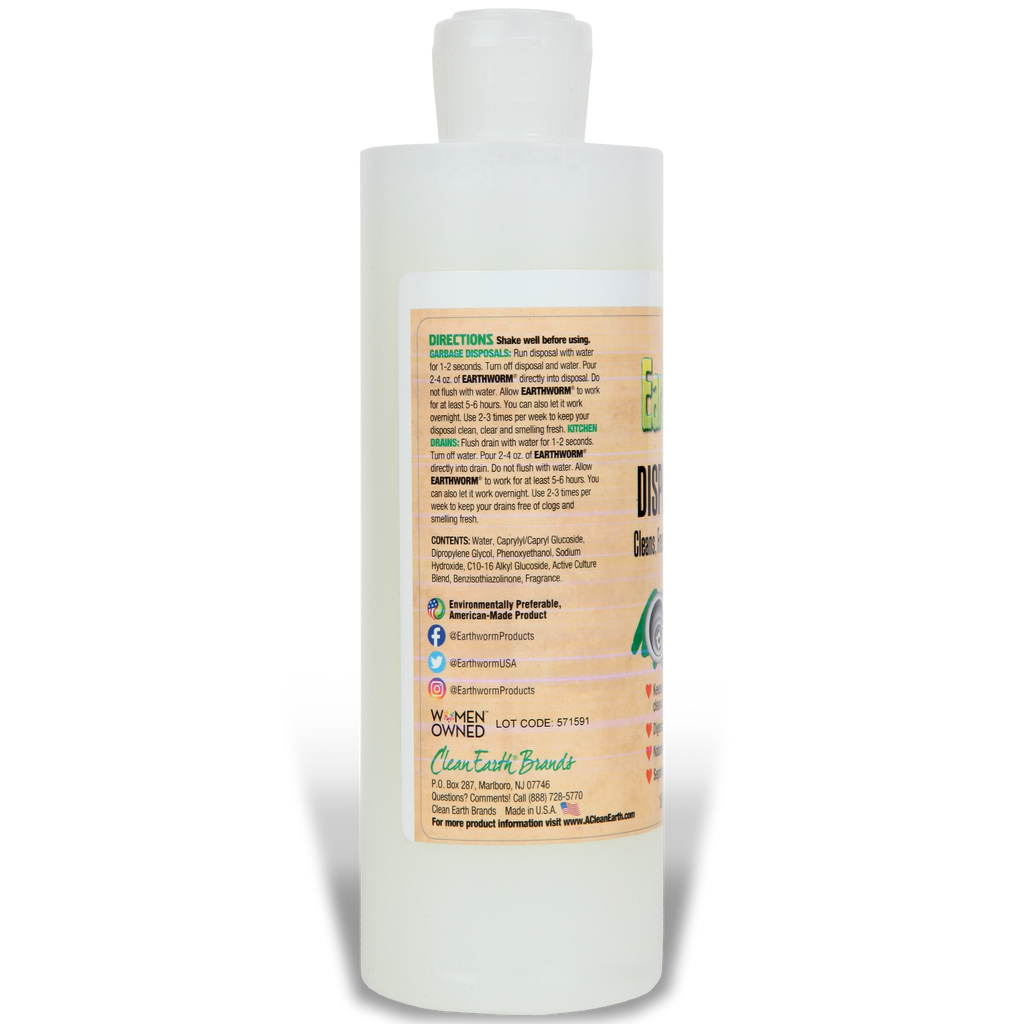
True cost and safer comparisons

Short-term savings can mask long-term costs. Repeated chemical use may shorten pipe lifespan and lead to repairs that far exceed the price of a bottle. Consider a mechanical drain snake for immediate clearing, then switch to regular enzymatic maintenance for prevention. Enzyme-based drain cleaners, like Earthworm’s approach, digest organic buildup without caustics and are typically safe for all plumbing and septic systems, a better fit for homes with kids and pets.

Enzyme-Based Drain Cleaners: Natural and Safe

Eco-friendly performance

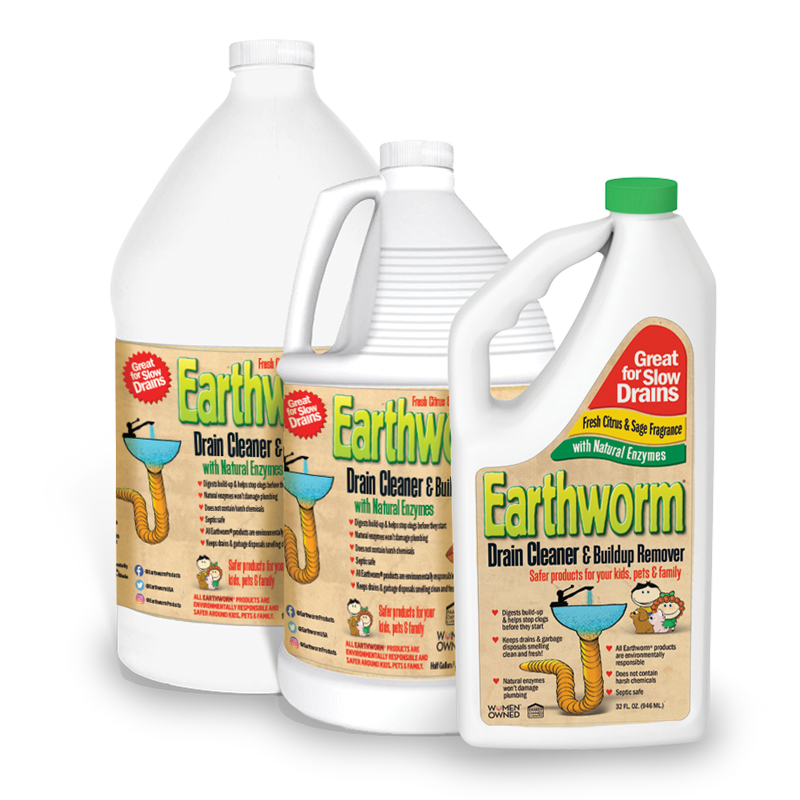
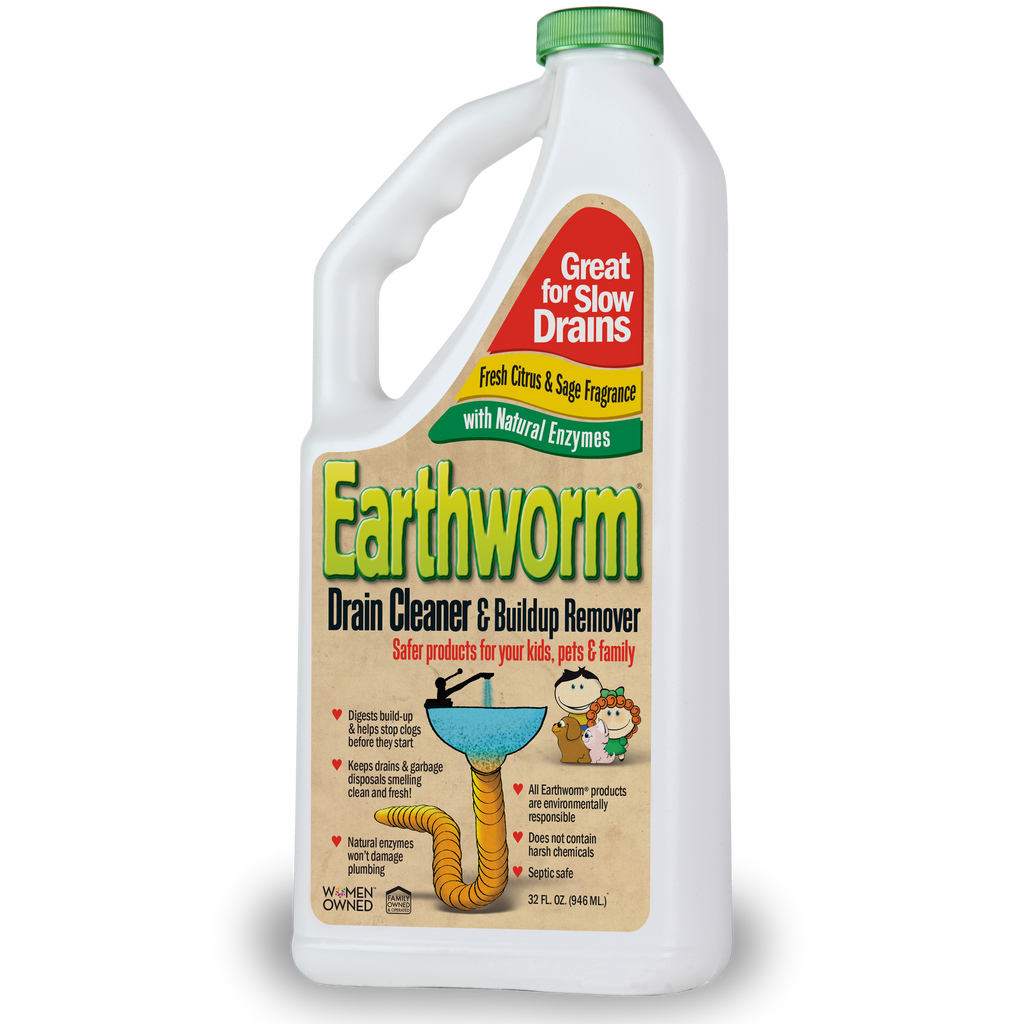
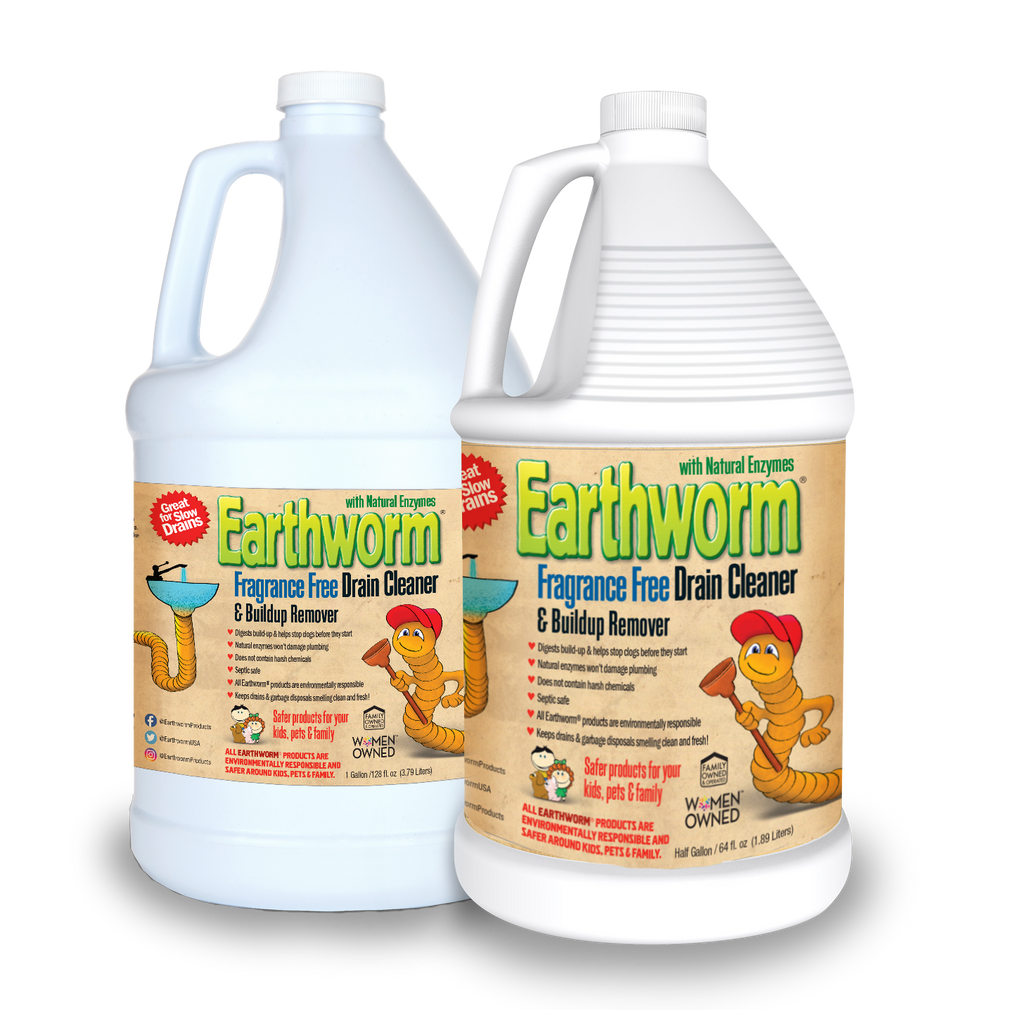
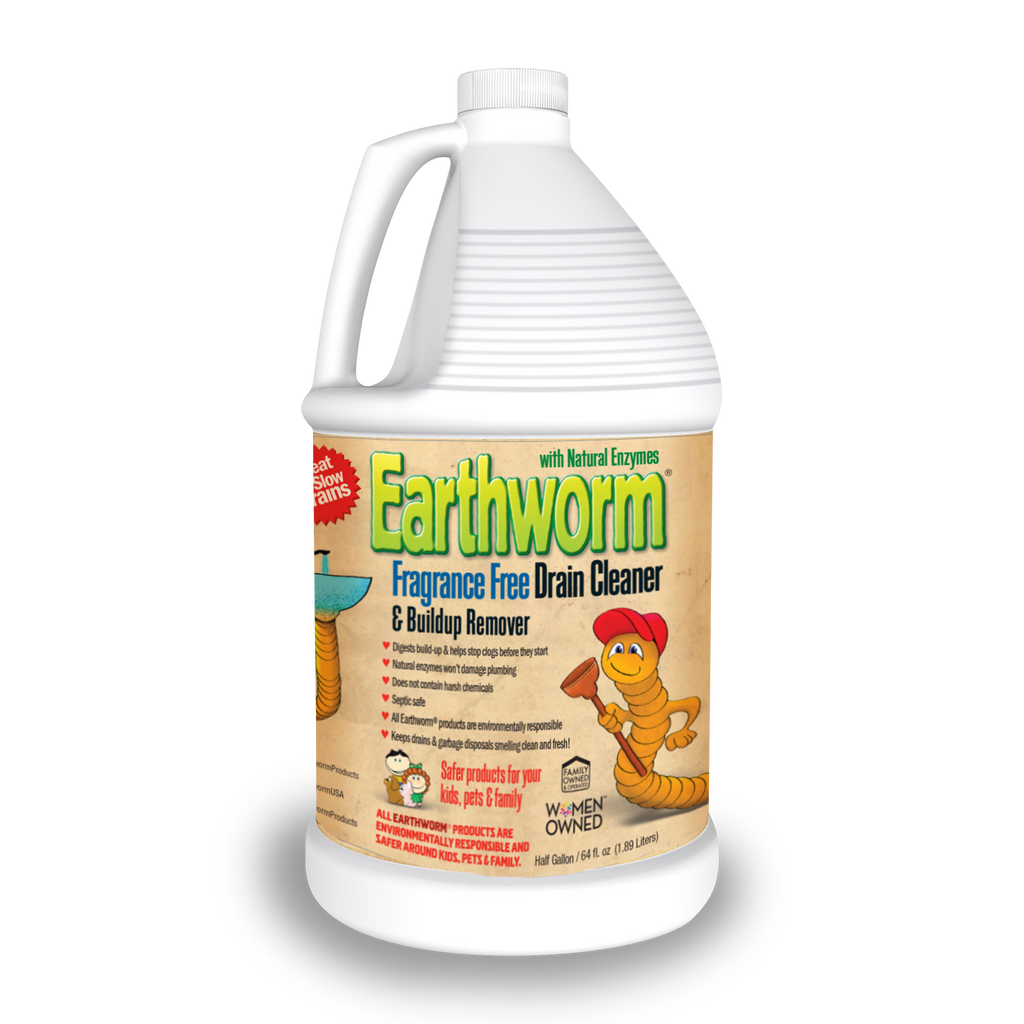
Enzyme-based drain cleaners use beneficial bacteria and enzymes to digest organic waste such as grease, hair, and food particles, converting them into simpler byproducts and minimizing residue. This natural process reduces the chemical load entering waterways and is typically safe for all common plumbing materials, including septic systems, which is important for health-conscious households. Earthworm’s approach is a good example, pairing plant-derived surfactants with enzymes in a formula that is biodegradable and free of solvents and phosphates, supporting a lower environmental footprint. For beginners comparing options, this means less risk of downstream pollution and fewer harsh ingredients at home. If you want a product-level reference, see the Earthworm Drain Cleaner family-safe formulation, noted for being biodegradable and free of harsh chemicals Earthworm Drain Cleaner family-safe.
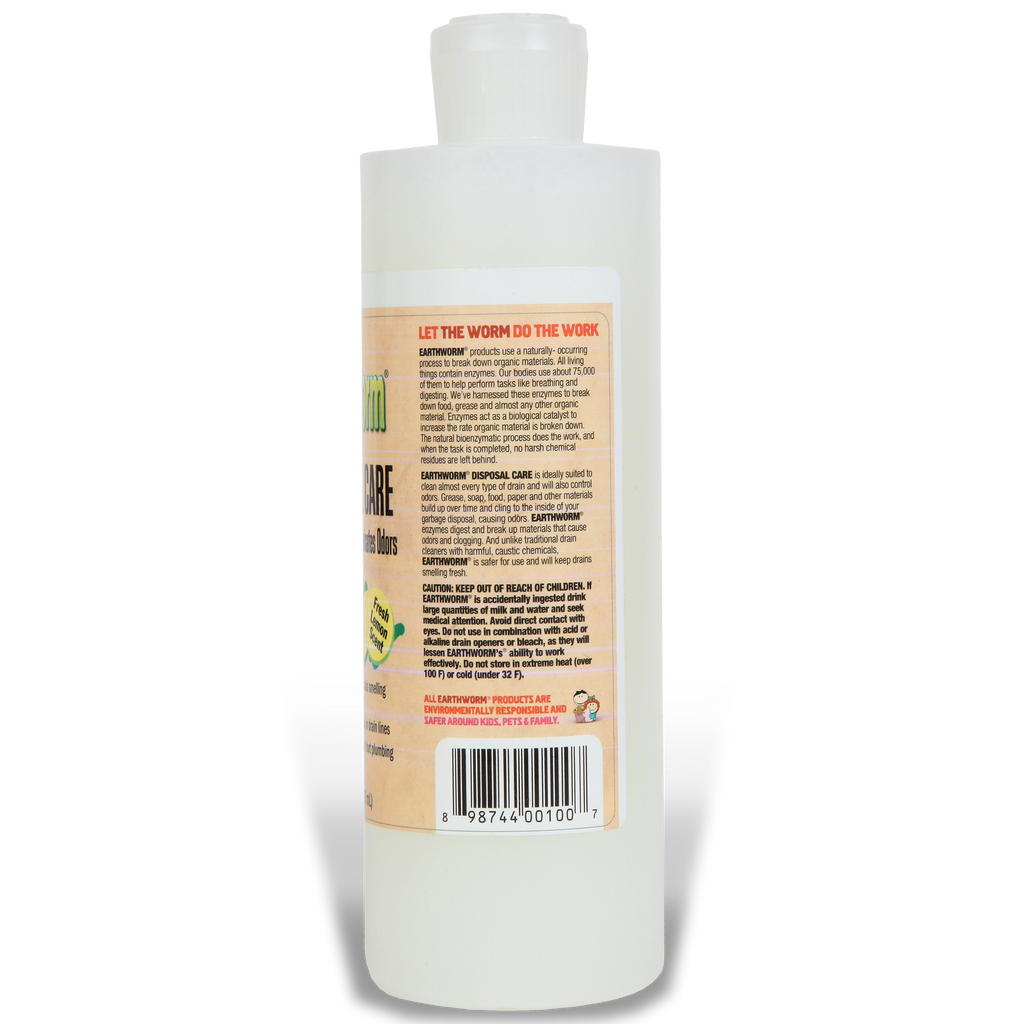
Safety for families and pets

Compared with caustic chemical drain cleaners, enzyme-based solutions are non-corrosive, do not produce hazardous fumes, and are generally safer to use around kids and pets. Guidance from natural cleaning resources highlights the lack of irritating vapors, which lowers the chance of respiratory discomfort during routine use Natural enzyme drain and septic cleaner guide. Practical tip: enzymes are proteins, so avoid mixing them with bleach or disinfectants that can deactivate them, and allow contact time for best results. For everyday safety, choose fragrance-free or naturally scented formulas and verify the label for septic-safe and biodegradable claims. This safety profile makes enzyme-based cleaners a strong choice for kitchens, showers, and laundry drains that see frequent family use.

Continuous action, brand picks, and what to expect

Unlike one-and-done chemical reactions, enzymes keep working along pipe walls, helping prevent biofilm and odor from reforming. For maintenance, dose weekly or after heavy cooking, then flush with warm water to support ongoing activity; Earthworm explicitly recommends regular use for smooth-running drains Earthworm Drain Cleaner family-safe. In comparisons, chemical drain cleaners can act faster on severe clogs but carry corrosion and odor risks, while mechanical tools like plungers or drain snakes excel for solid obstructions yet do not prevent recurrence. For brand selection, prioritize reputable enzymatic options like Earthworm that are biodegradable, septic-safe, and made without harsh solvents. To gauge customer satisfaction, check third-party indicators such as retailer star ratings and Trustpilot TrustScores, and look for consistent positive feedback on clearing slow drains and reducing odors over time.
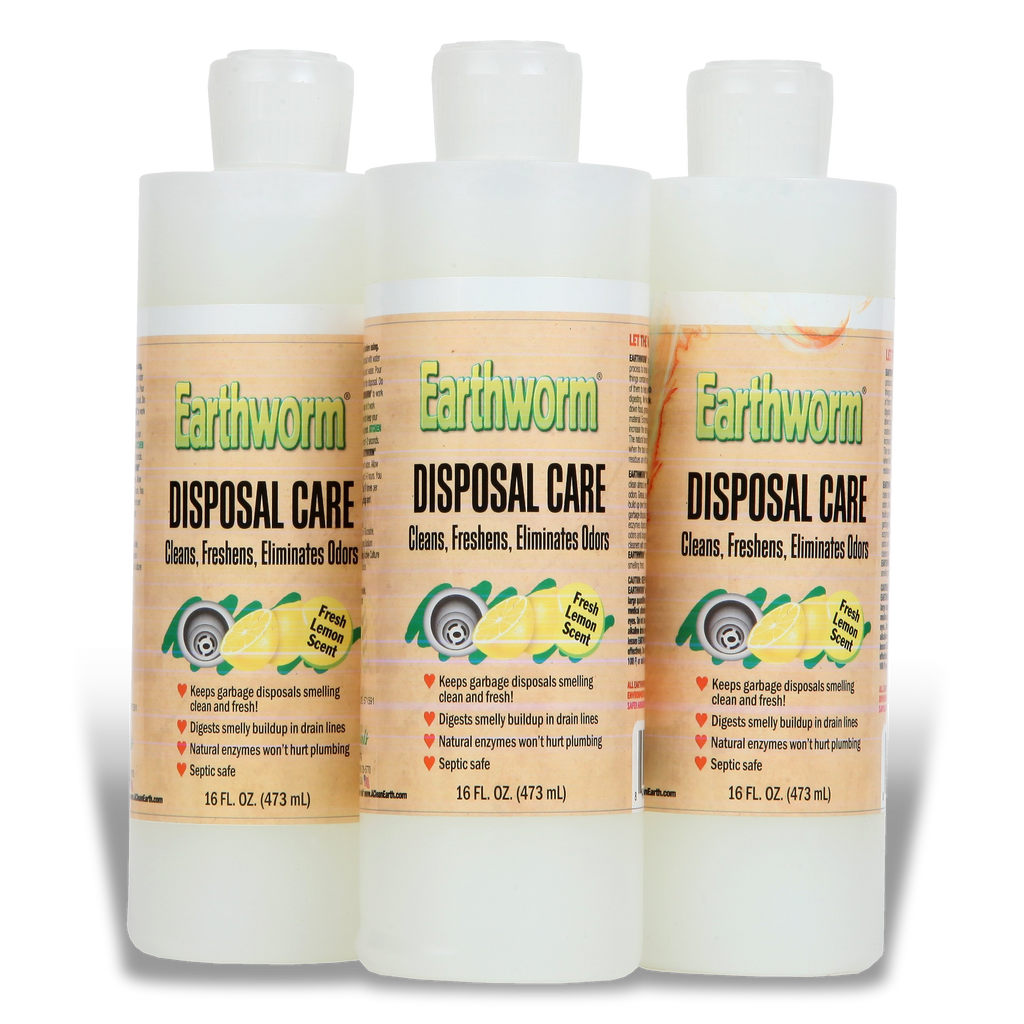
Natural Alternatives: Vinegar and Baking Soda

Routine maintenance: simple preventive strategies

For beginners who want clear drains without harsh chemicals, start with easy, natural habits that keep buildup from forming. A weekly weekly hot-water flush recommendation helps liquefy soap residue and light grease, especially useful in kitchens where fats are common. Pair this with using mesh drain strainers in sinks and tubs to catch hair and food scraps before they enter the trap. For ongoing prevention, many plumbers advise routine enzyme-based maintenance, which digests organic matter slowly and safely. These steps reduce the likelihood of clogs and minimize the need for reactive, more aggressive drain cleaners.

Effectiveness and health impact: vinegar and baking soda vs enzymes

Vinegar and baking soda create a fizzing reaction that can loosen light organic film and minor debris. This makes the combo useful for slow drains or early signs of buildup, although it often struggles against dense hair mats, congealed grease, or mineral scale. If not flushed thoroughly, baking soda may leave a powdery residue, so a robust hot-water rinse matters. Enzyme-based drain cleaners excel for ongoing maintenance because they biologically break down organic waste, which helps prevent harmful residue and is typically safe for all home plumbing and septic systems. Both vinegar and baking soda and enzyme-based options are non-toxic, a clear health advantage for families and pets compared with caustic chemical drain cleaners. Given rising demand for safe, sustainable solutions, enzyme-based products complement natural household tactics very well.
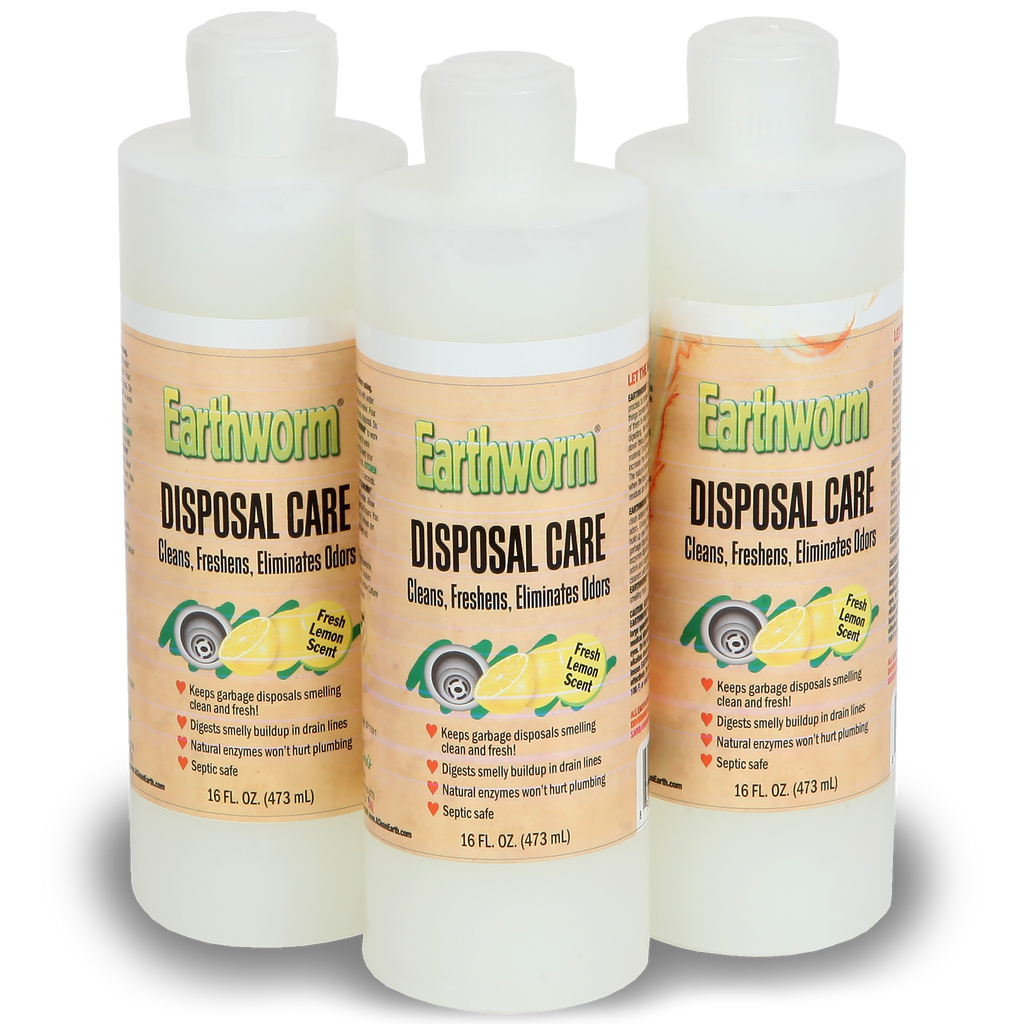
Usage tips and clear recommendations

For the vinegar and baking soda method, pour 1/2 cup baking soda into the drain, add 1/2 cup white vinegar, cover the opening, wait 15 to 30 minutes, then flush with boiling water. Use this monthly for maintenance or after heavy cooking to address light grease films. Keep a weekly schedule of very hot water flushes, and clean strainers frequently to prevent debris from entering pipes. For households with long hair or frequent cooking, add an overnight enzyme-based treatment once a week to maintain clear flow. Reserve plungers or a small drain snake for stubborn clogs, and avoid mixing natural remedies with chemical drain cleaners. If water backs up repeatedly, consult a professional to prevent damage and protect your plumbing.

Eco-Friendly Cleaners: Meeting Today’s Expectations

Why enzyme drain cleaners are winning today

Enzymatic drain cleaners are surging because they clear organic clogs while meeting safety expectations for families and pets. The global enzymatic cleaner market is forecast to reach 3.09 billion dollars by 2032, a 6.8 percent CAGR from 2023, signaling mainstream adoption. Unlike caustic formulas that can etch pipes and leave residues, enzymes digest grease, hair, and food particles into simple byproducts that rinse away cleanly and are safe for septic systems. In a kitchen sink with recurring grease films, dosing at night lets microbes break down fats without fumes; in showers, they target hair and soap scum without abrasive scrubbing. Beginners should expect slower, steadier results than chemical drain cleaners, but better maintenance of flow and indoor air quality.

Earthworm’s eco-forward approach and how to choose

Health-conscious homeowners and pet owners are driving demand for non-toxic drain cleaners because lower VOCs and no corrosives mean fewer skin and respiratory irritants for animals and kids. Earthworm’s USA-made enzyme formulas for drains and septic systems use beneficial bacteria to keep lines clear, are never tested on animals, and avoid the harsh residues associated with chemical drain cleaners. Practical comparison, use enzymes for recurring organic buildup in kitchens and showers, keep vinegar and baking soda for light deodorizing, and reserve caustic products for urgent blockages or a professional visit. For pet households, plant-based cleaners reduce residue on floors and tubs where paws and noses go, and consistent monthly dosing prevents odors from sink traps without risking pipe damage. With North America leading adoption and 73 percent of global consumers willing to change habits to cut environmental impact, the market is clearly shifting to sustainable choices that align performance with safety.

Recommendations: Choosing the Best for Your Home

Best for powerful clogs: When to consider chemical

For standing water or a fully blocked trap, chemical drain cleaners can restore flow quickly. Products that use sodium hydroxide or sulfuric acid break down hair, grease, and soap scum within minutes when used as directed. Examples include heavy-duty gels that cling to pipes for targeted action. Always wear gloves and eye protection, ventilate the area, and never mix chemicals. If you have old galvanized lines, questionable pipe integrity, or a septic system that has struggled, try a plunger or a drain snake first, then reserve chemicals as a last resort.

Optimal for daily use: Earthworm’s enzyme cleaner

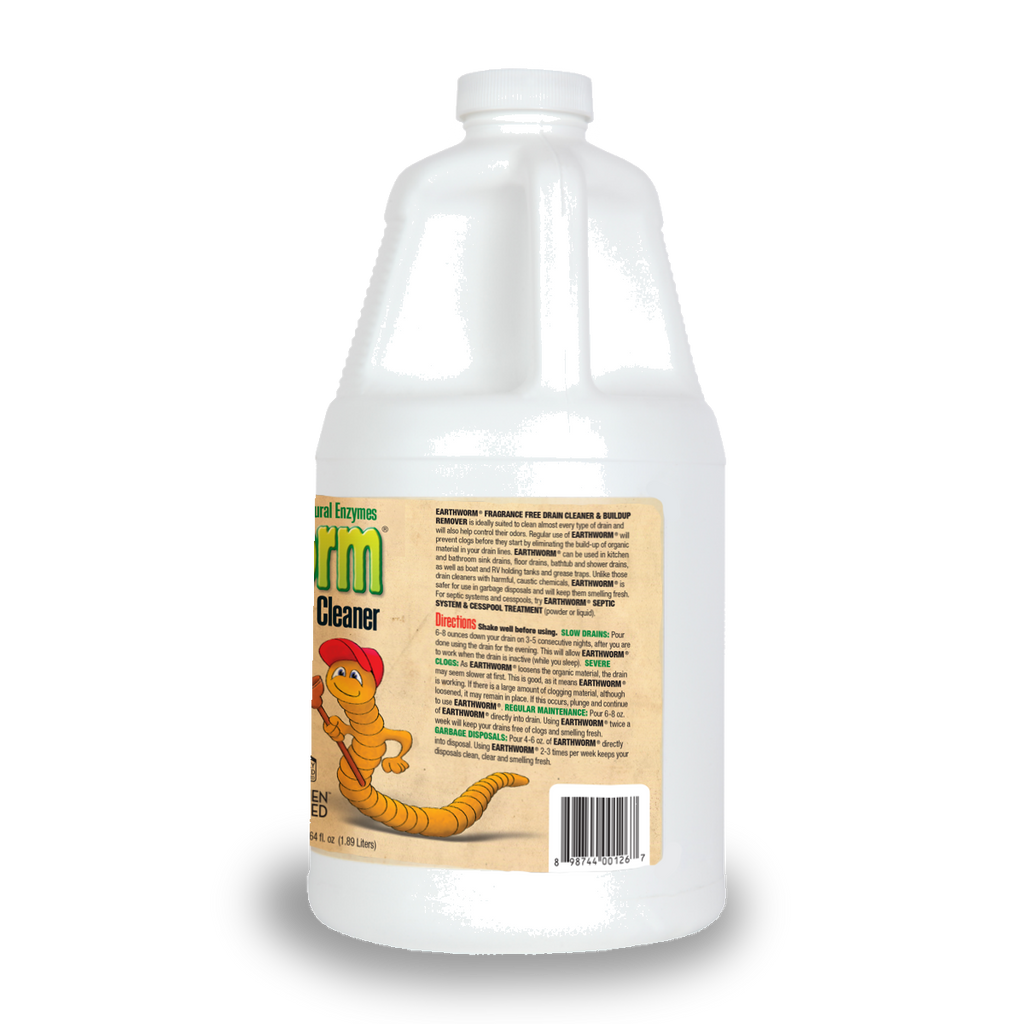
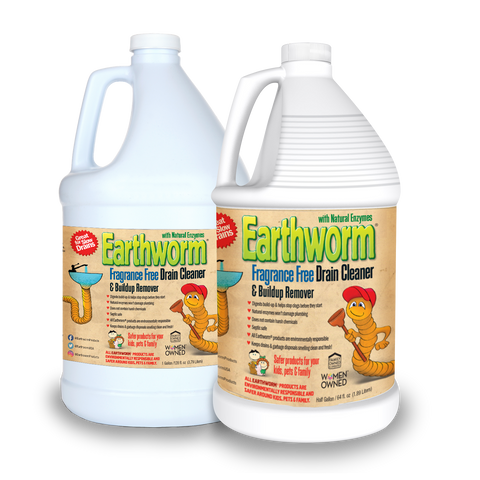
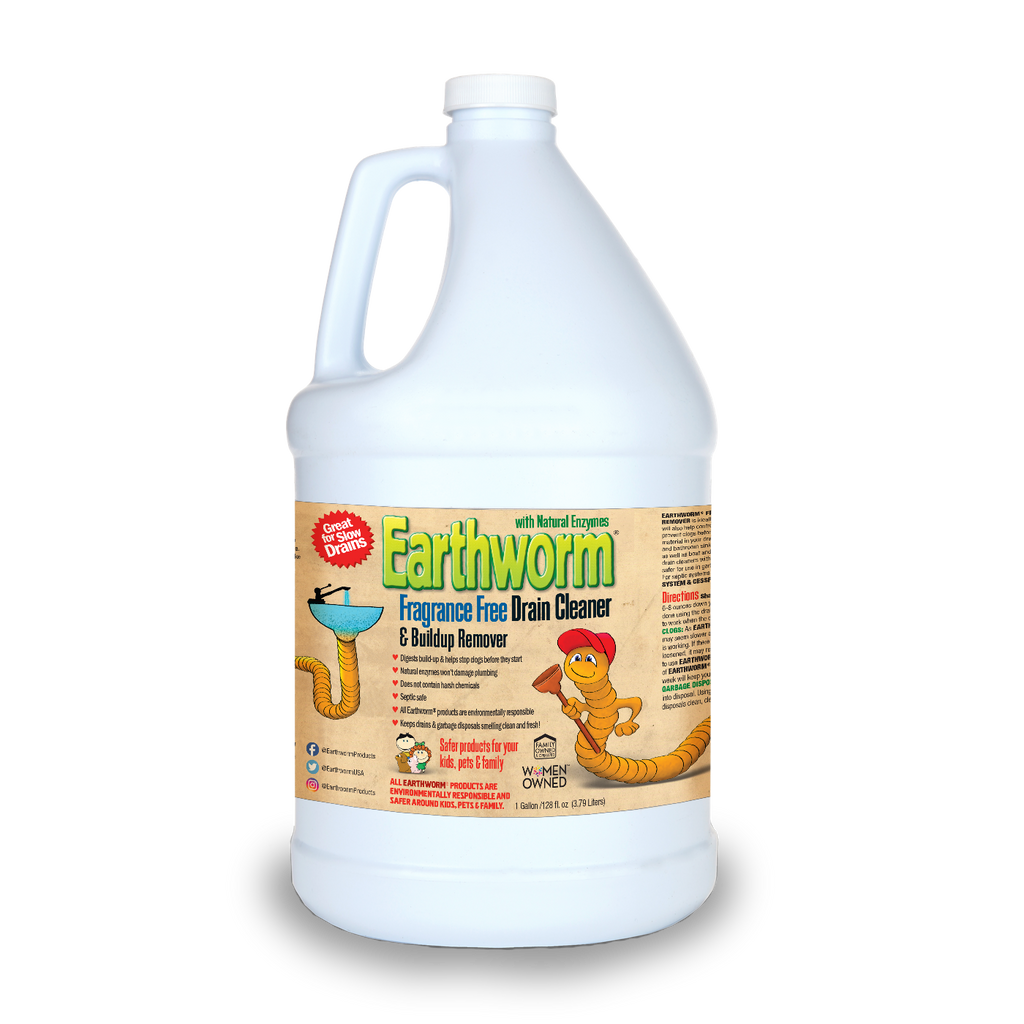
For prevention, Earthworm’s enzyme-based drain cleaner is designed for routine use in kitchens, baths, and laundry drains. Enzymes digest organic buildup like hair, food particles, and grease without harsh residues, and are safe for PVC, metal, and septic systems. For best results, pour 6 to 8 ounces into the drain twice per week and let it sit overnight. Avoid following enzyme applications with bleach or disinfectants, which can reduce biological activity. This approach aligns with the growing preference for non-toxic, family and pet safe solutions.

For routine maintenance: DIY natural options

Simple at-home methods help keep drains clear between treatments. Try one half cup baking soda followed by one half cup vinegar, wait 15 to 30 minutes, then flush with hot water for minor buildup. Use near-boiling water on greasy kitchen lines, but avoid boiling water on older PVC. Add hair catchers and scrape plates into the trash to reduce incoming debris.

Budget-friendly solutions: Balancing cost and effectiveness

Think in terms of cost per clear drain and avoided service calls. Concentrated enzyme formulas often deliver many uses per bottle, stretching budgets while preventing emergencies. Chemical gels can be inexpensive for one-time severe clogs, but are not ideal for frequent use. A practical pairing is weekly Earthworm maintenance with DIY methods, saving chemicals for true blockages.

Eco-conscious decisions: Long-term environmental responsibility

Enzyme-based drain cleaners are biodegradable, do not leave harmful residues, and are typically safe for septic systems. Choosing Earthworm supports a non-toxic home and reduces chemical load in wastewater. Look for minimal packaging and refill options to cut plastic waste. A simple plan, enzymes weekly and DIY upkeep, limits harsh interventions over time.

Conclusion: The Best Drain Care Approach

Choosing your ideal drain cleaner starts with the clog and your household. For standing water, try a plunger or drain snake first; reserve caustic chemical options for emergency, short-contact use. For slow drains or recurring organic buildup, enzyme-based cleaners are the safer default, effective on hair and food residues and safe for children, pets, and septic systems. They digest waste rather than burn it, which prevents residue and protects pipes. This gentler approach fits beginners seeking reliable results without harsh trade-offs.

For long-term care, dose an enzyme cleaner overnight once a month, then run a 10 minute hot water flush. Add hair catchers in showers, scrape grease to the trash, and run cold water with disposals. Personalize your plan: a family with long hair may treat bath drains twice monthly; older metal pipes benefit from enzymes rather than caustics. Health-conscious homes can choose Earthworm’s enzyme formulas to reinforce eco-friendly habits.

December 11, 2025 by Andrew C