
Keep Your Carpets Fresh: Pet-Safe Solutions
Love your pets, not the lingering odors in your carpet? You are in the right place. If you have ever wondered how to keep floors smelling clean without risking your pet’s health, this simple how-to guide is for you. We will walk through what makes a carpet freshener pet safe, and how to refresh your home with easy steps and gentle ingredients.
You will learn how to choose or mix a safe freshener, which common ingredients to avoid, and the exact method to use it so it actually works. We will cover quick label-reading tips for store products, a beginner friendly DIY option that uses pantry staples, and smart safety steps like spot testing, keeping pets out of the room while powder sits, and vacuuming thoroughly. By the end, you will know how often to freshen, how much to use, and how to handle stubborn smells the safe way. Fresh carpets. Happy noses. Relaxed pets. Let’s get started.
Gather Prerequisites and Materials
Know your carpet material to avoid damage
Before you shop for a carpet freshener pet safe, check what your carpet is made of. Nylon is tough and resists many stains, but some solvents can dull it. Polyester handles water-based spills well, though oils can cling, so avoid oily products. Wool is luxurious and naturally resilient, yet it can shrink or discolor if hit with high pH or harsh chemicals. Olefin, also called polypropylene, shrugs off moisture and mildew, but it can attract oils and crush under heavy traffic. Always spot test in a hidden corner using a white cloth and your cleaner, wait 10 to 15 minutes, then check for color transfer or texture change.
Acquire natural enzyme-based cleaners
For homes with pets, enzymatic formulas are your best friend. These cleaners use targeted enzymes that break down proteins and fats in urine, feces, and vomit at the molecular level, which helps remove both stains and the odor source. Earthworm’s Carpet & Upholstery Cleaner uses natural bio-enzymatic action, is biodegradable, and is safe around kids and pets when used as directed. It aligns with the growing demand for hypoallergenic and fragrance-free options, and Earthworm products are made in the USA and never tested on animals. Explore EARTHWORM Family-Safe Carpet & Upholstery Cleaner to build a safer cleaning kit.
Keep soft cloths and a vacuum handy, and consider targeted helpers
Stock white microfiber cloths for blotting and lifting residue without dye transfer. Keep a vacuum with strong suction, ideally with a HEPA filter, and vacuum high-traffic areas at least twice weekly to remove hair and grit before it embeds. For targeted odor control, an enzyme-based spot remover like Pet Stain & Stink Remover with Enzyme Action for Carpet can neutralize deep odors. For periodic deodorizing, a biodegradable, non-toxic powder such as Good Natured Brand Carpet Deodorizer helps with persistent pet smells.
Identify carpet fiber type and note manufacturer care tags. Outcome: safer product choices.
Assemble Earthworm enzymatic cleaner, plus a targeted spot remover. Outcome: faster, deeper odor removal.
Gather white microfiber cloths, a soft brush, and a measuring cup. Outcome: gentle, controlled application.
Prep your vacuum and replace bags or clean filters. Outcome: better dry soil removal.
Perform a 10-minute spot test with each product. Outcome: no surprises on color or texture.
Spot Test and Pre-Clean
Before you freshen your carpet, a quick spot test and pre-clean routine prevents surprises and helps Earthworm’s enzymes do their best work. Have ready: Earthworm’s pet-safe carpet freshener or Carpet & Upholstery Cleaner, clean white cloths, a HEPA vacuum, and a lint roller or rubber gloves. The goal is simple, lift loose debris first, address moisture next, then let enzymes tackle odor-causing residues. Expect a cleaner-looking surface, fewer lingering odors, and less redeposit of soils when you move to full-room deodorizing.
Spot test for safety. Choose a hidden corner, apply a small amount of Earthworm’s pet-safe carpet freshener or Carpet & Upholstery Cleaner, then wait per the label and blot with a white cloth. Look for color transfer, fiber fuzzing, or dulling as the area dries. If it looks unchanged, you are good to proceed on visible areas. Keep pets off the test spot until fully dry.
Remove loose hair and debris. Run a lint roller over pet zones or sweep the carpet lightly with a rubber squeegee, which pulls up embedded hair that vacuums can skate over. A quick pass with damp rubber gloves also lifts clinging fur. Groom pets beforehand to reduce new shedding during cleaning. Toss gathered debris before you vacuum.
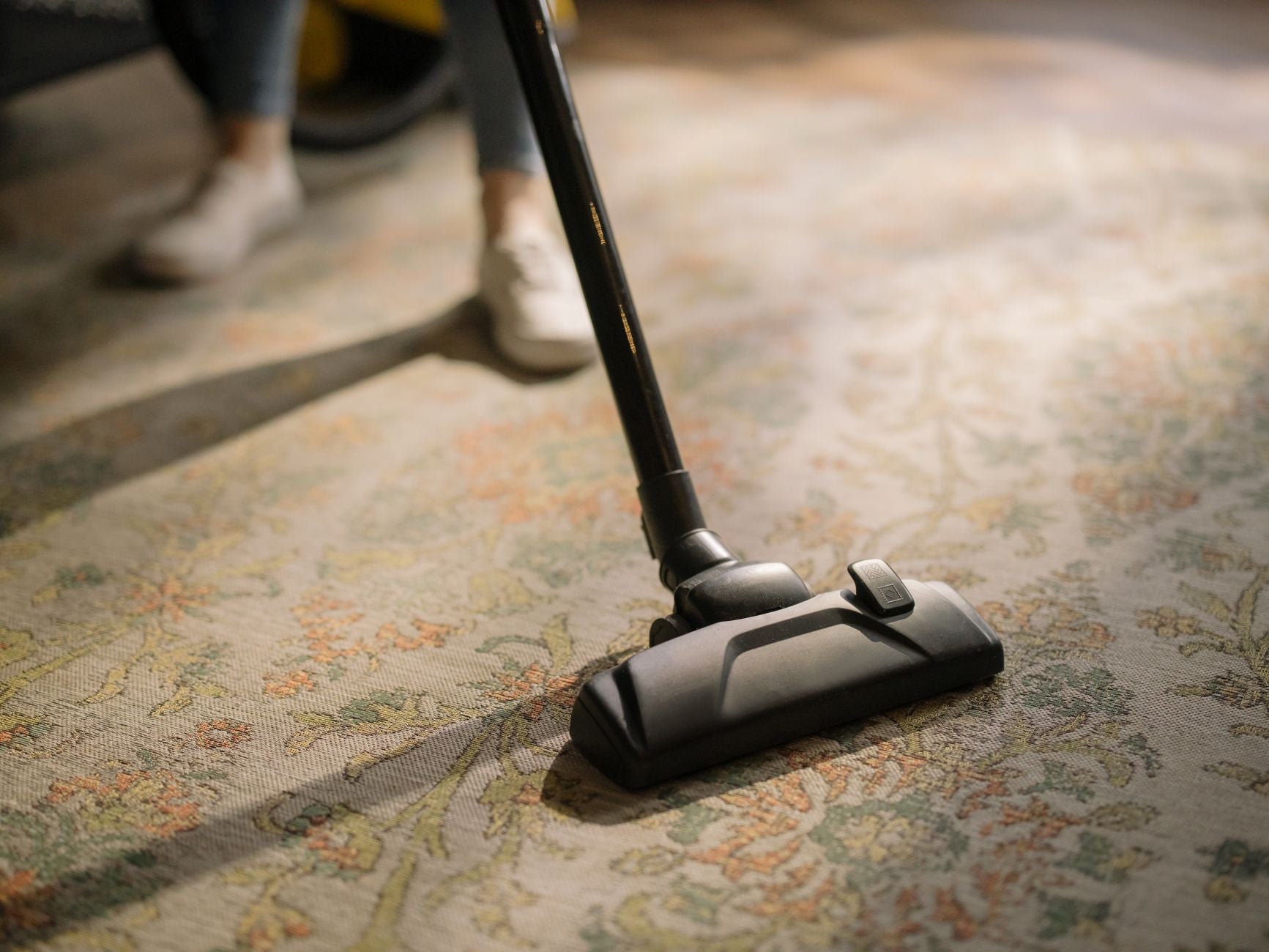
Vacuum thoroughly to uplift dirt. Use a vacuum with a HEPA filter and do slow, overlapping passes in two directions so bristles can lift from all sides of each fiber. Focus on high-traffic paths and pet lounging spots, making extra passes there. Edge the room with a crevice tool where hair collects. Empty the bin and check filters for maximum suction.
Blot liquid stains with a dry cloth. Press, do not rub, using fresh sections of cloth until little moisture transfers. Place a clean towel and a weight for 10 to 15 minutes to wick deeper moisture. Avoid colored cloths that could bleed. Quick blotting keeps stains from spreading and prevents lingering odor.
Pre-treat with Earthworm. Lightly spray the tested area, let it dwell as directed, then blot. Earthworm’s natural enzymes break down proteins and fats in pet messes at a molecular level, neutralizing odors without harsh residues. This is safe around pets and kids, and it will not stiffen or etch carpet fibers. Allow to dry completely before the full-room freshening step.
Apply the Carpet Cleaner
Set up for safe, effective results
You have already spot tested and pre-cleaned, so now gather a soft-bristle brush, a few microfiber cloths, your vacuum, and Earthworm Carpet & Upholstery Cleaner. Crack a window and keep pets out of the room during application and drying; the ASPCA advises keeping animals away from cleaning areas until cleanup is complete. Shake Earthworm’s bottle well and read the label so you match the spray pattern and dwell time to the mess. Enzymatic cleaners work at the molecular level on proteins and fats in urine and other pet soils, so you are neutralizing the source rather than masking it. This bio-enzymatic approach helps protect carpet fibers while removing odors, a smart fit for health-conscious homes seeking a carpet freshener pet safe and effective.
Step-by-step: apply the cleaner
Follow the label directions. Spray Earthworm to dampen, not soak, the spot. If you skipped a spot test earlier, quickly check an inconspicuous area for colorfastness before treating the stain.
Apply evenly to affected areas. Aim for overlapping passes so there are no missed patches. For powders used elsewhere in the room, keep the bottle slightly inclined and shake side-to-side to distribute uniformly, as shown for Simple Solution’s powder on Pets at Home.
Use Earthworm for tough spots. Let it sit 5 to 8 minutes so enzymes break down organic soils. Blot with a clean cloth; enzymes that remain continue working after you walk away.
Gently scrub with a soft brush. Use light, circular strokes from the outside in to avoid spreading. Avoid stiff brushes that can fuzz or abrade fibers.
Ensure no product is left behind. Blot any excess, then vacuum thoroughly once dry. Good ventilation and a final vacuum support safety and residue removal, consistent with guidance on non-toxic options in Homes & Gardens’ overview of carpet deodorizers.
Expected outcome: a fresher carpet with odors neutralized at the source, no harsh residue, and fibers left intact. If a stain lingers, repeat steps 3 to 5; set-in pet messes often need a second pass.
Remove Stains and Odors Effectively
You have prepped the area, so now you can tackle stains and smells with a method that is gentle on fibers and safe for pets. Gather Earthworm Carpet & Upholstery Cleaner, a few clean microfiber cloths, a soft brush, a small bowl of clear water, and Earthworm Household Odor Eliminator. The expected outcome is simple, stains lifted and odors neutralized at the source, without harsh residues. Enzymatic cleaners digest the proteins and fats that make up pet urine, feces, and vomit, so you are not just masking smells, you are removing them at a molecular level. Bonus for health‑conscious homes, Earthworm’s formulas are non‑toxic, biodegradable, and kid and pet friendly.
Saturate and let it sit. After removing solids and blotting up excess moisture, saturate the spot with Earthworm Carpet & Upholstery Cleaner. Allow 5 to 8 minutes of dwell time so the bio‑enzymes can break down the mess. For older stains, extend dwell time and lightly cover with a damp towel to keep the area moist while enzymes work.
Blot with a clean, damp cloth. Press firmly for 10 seconds, lift, and rotate to a clean section of cloth. Work from the outside toward the center to prevent spreading. Avoid rubbing, this can drive soils deeper and fuzz carpet fibers.
Repeat for stubborn spots. If color or odor lingers, reapply cleaner and gently agitate with a soft brush, then blot again. Some stains wick back as the carpet dries, so place a folded towel on the area and weigh it down for 15 minutes to capture residual moisture.
Target persistent smells. Spray Earthworm Household Odor Eliminator, a product listed by the EWG, letting enzymes digest the odor source as it dries EWG listing for Earthworm Household Odor Eliminator. Reapply the next day if needed, and ventilate the room.
Rinse with clear water. Lightly mist with water, then blot until towels lift clean. This removes residue for truly chemical‑free cleaning and helps prevent rapid re‑soiling. Speed dry with a fan; most spots dry within 4 to 6 hours.
Pro tip, Earthworm’s cleaner has earned consistent 5‑star reviews from users who report success on tough pet messes, and its fragrance‑free approach suits sensitive households. With stains and odors handled, you are ready to refresh the whole room with your favorite carpet freshener pet safe.
Rinsing, Drying, and Final Touch-ups
Materials: bucket of cold water, clean microfiber cloths, a high-velocity fan, optional dehumidifier, vacuum with a HEPA filter, Earthworm Carpet & Upholstery Cleaner, and pet gates or a closed door.
Final cold-water rinse. Lightly mist or blot the cleaned area with cold water, then blot with a dry microfiber cloth. Cold water lifts leftover cleaner and soils without shrinking fibers or setting stains, which hot water can do. It also keeps Earthworm’s bio-enzymatic action from being disrupted by heat. Outcome: cleaner fibers, no residue, and colors that stay true.
Air dry to prevent mold. Open windows and doors to move fresh air across the carpeted area. Mold can begin forming in 24 to 48 hours if moisture lingers, so keep indoor humidity under 50 percent for safety and speed. See practical airflow tips from BOAS Cleaning Services and humidity guidance from Global Public Adjusters. Outcome: reduced moisture, less risk of mildew, and a fresher finish.
Add a fan for quicker drying. Aim a high-velocity fan at a 45-degree angle to the wall, and if treating a larger room, space fans every 10 to 15 feet to create circular airflow. Run them continuously and reposition every hour to hit damp spots evenly. These best practices are detailed by Global Public Adjusters. Outcome: typical dry time of about 4 to 8 hours, depending on room humidity and pile thickness.
Vacuum for a final dust cleanup. Once the carpet is fully dry to the touch, vacuum slowly with overlapping passes to lift the pile and remove loosened dust, pet dander, and any crystallized residue. A HEPA filter helps capture fine allergens for health-conscious homes. Outcome: a soft, clean surface ready for traffic.
Keep pets off until completely dry. Close the room or use gates to prevent re-soiling and accidental contact with damp fibers. Test dryness by pressing a white paper towel into the pile, it should come up dry and cool. With a carpet freshener pet safe like Earthworm’s, there is no harsh residue, and once dry the area is ready for paws and play. Outcome: safe, spotless, and odor-free floors.
Tips and Troubleshooting
Even with a careful routine, pet homes can throw carpet curveballs. Use this quick troubleshooting playbook to keep your carpet freshener pet safe approach effective and your fibers protected. We focus on Earthworm’s septic-safe, bio-enzymatic method, which targets odor-causing residues without corrosive chemicals. Enzymes break down urine proteins and fatty compounds at a molecular level, helping prevent odors from returning after the spot dries. Follow these steps whenever a stain reappears, an odor lingers, or you are testing something new.
What you need
Earthworm Carpet & Upholstery Cleaner, clean microfiber cloths, paper towels
Soft brush, baking soda, gloves, a small white towel for testing, pet barriers
Step-by-step fixes
Use Earthworm’s septic-safe solutions. Choose Earthworm’s enzyme cleaner, which penetrates fibers and does not leave harsh residues. It is biodegradable and designed for people and pets, as outlined here: Earthworm Carpet & Upholstery Cleaner overview. Expected outcome: deep odor removal without risking your septic or indoor air.
Avoid harsh chemicals. Skip bleach, solvent-heavy sprays, and strong synthetic fragrances, which can irritate pets and damage dyes. Safer options, including baking soda for light deodorizing, are highlighted in these pet-safe cleaning tips. Expected outcome: fewer skin and respiratory reactions, better carpet longevity.
Test new products on a hidden spot. Blot on a dime-size amount, wait for full dry, then check for color transfer or texture change under bright light. Expected outcome: no surprises on visible areas.
Treat specific stains correctly. Urine, blot, then saturate with enzyme cleaner and allow 10 to 15 minutes of dwell time before blotting again. Solid waste, lift with a putty knife, then clean and rinse lightly. Vomit, scrape solids, dab with mild soap and water, finish with enzymes to neutralize acids and proteins.
Consult pet-safe cleaning groups. Browse pet-care forums and social groups for real-world routines, DIY ratios, and fragrance-free alternatives. Look for enzymatic success stories and confirm ingredients are non-toxic and biodegradable.
A consistent enzyme-first routine, plus patient dwell time and patch testing, solves most issues. If an odor lingers after drying, repeat step 4 with longer dwell time, then sprinkle a light baking soda dusting and vacuum after two hours. Earthworm’s formulas are made in the USA, never tested on animals, and align with a fragrance-light, family-safe home. Keep notes on what worked and your ideal dwell time, so future cleanups are faster and stress free.
Conclusion
Keeping carpets clean and pet safe does not require harsh chemicals. Enzymatic formulas do the heavy lifting, breaking down proteins and fats in urine and other messes at the molecular level, so odors are removed rather than perfumed. That means fresh fibers, no sticky residue, and a safer floor for paws and kids. Eco-friendly, biodegradable options are now the go to for health conscious homes, and they are gentle on carpet backings and dyes.
Quick upkeep plan
Daily, do a two minute HEPA vacuum pass in pet zones to capture dander and odor carriers.
Immediately spot treat accidents with Earthworm Carpet & Upholstery Cleaner, allow 5 to 10 minutes of contact time, then blot with microfiber. Expect true odor neutralization as enzymes work until the food source is gone.
Weekly, light refresh with a carpet freshener pet safe product, then vacuum once dry.
Monthly, deep clean traffic lanes with a soft brush and a light application, increase ventilation with a fan for faster dry.
Materials: HEPA vacuum, microfiber cloths, soft brush, Earthworm cleaner. Outcome: fewer odors, shorter cleanups, longer carpet life.
Earthworm’s bio enzymatic approach aligns with non toxic cleaning. Reviewers report 5 star results and strong stain removal, and formulas are fragrance free, made in the USA, and never tested on animals. Make Earthworm your ongoing cleaning partner, and enjoy consistently fresh, pet safe carpets.