
Household Cleaning Tips
An enzyme cleaner uses natural bacteria to break protein, grease and starch into pieces small enough for water to carry away. That is why it clears the source of a smell instead of covering it, and why it needs time and moisture rather than scrubbing.
The guides below cover drains, pet stains, septic systems and laundry. If you already know the problem, start here:
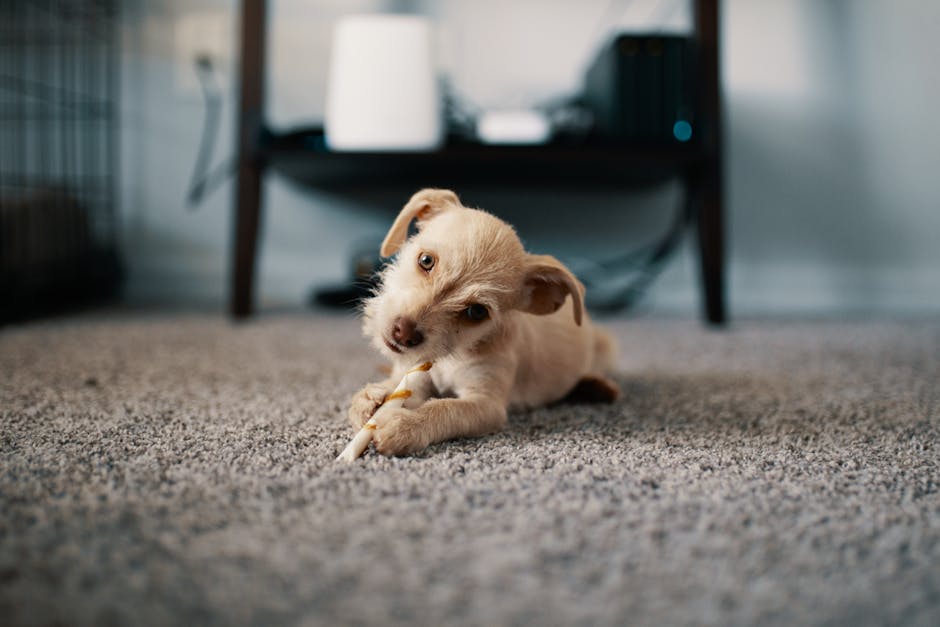
Enzyme Cleaner for Dog Urine: What Actually Works (and Why)
Enzyme Cleaner for Dog Urine: What Actually Works (and Why)
Dog pee accidents happen. Constantly. But here's what nobody tells you, the real problem isn't the puddle you see. It's what comes after. That urine soaks deep. Into carpet padding. Into grout. Down into hardwood grain. You mop. You spray. You think it's gone. Nope. Those smell-causing compounds are still hanging out in the fibers.
Then summer hits. Humidity spikes. Your living room suddenly reeks like a kennel. Enzyme cleaners are the only thing that actually breaks down those compounds. But, and this matters, they're not all the same. Some work. Others just cover up the smell temporarily.
What Makes Dog Urine So Hard to Get Rid Of
Dog urine has three main culprits: urea, salts, and urochrome. Urea? Easy to break down. Urochrome creates those yellow stains you can't stop staring at. The salts and residue left behind are the real problem. That's what makes the smell stick.
Here's where it gets annoying. As urine dries, the salts and residue harden and bond to carpet fibers, grout, wood, anything porous. Regular cleaners (even good ones) only remove the surface stuff. That hardened residue stays locked in. Heat and moisture rewet it and release odor again. Boom. Smell's back. That's why it always feels worse in summer or after humid days. (Dogs actually break most uric acid down into a different compound before it ever leaves their body, so it's the leftover salts and organic waste doing the damage here, not uric acid crystals.)
And your dog's nose destroys yours. Way better. Even after you've cleaned, chemical markers are still screaming "I peed here" to your dog's olfactory system. Lemon-fresh fragrance doesn't erase those signals. It just adds another smell on top.
How Enzyme Cleaners Actually Break Down Dog Urine
Enzyme cleaners work by introducing biological catalysts that specifically target urine compounds:
- Urease converts urea into carbon dioxide and ammonia, which dissipate into air
- Protease breaks down the protein components in urine at the molecular level
- Lipase breaks down fatty compounds in the waste
These aren't surface cleaners. They keep working as long as they're in contact with organic material and staying moist.
Dwell time is everything. A quick two-minute spray won't cut it. The enzymes need time. 15-30 minutes minimum. Let them actually finish the job.
Pro tip: Done right, there's nothing left for odor to come from. No crystals. No organic compounds. No chemical signal telling your dog "this is your bathroom." The spot is genuinely clean. Not just looks clean.
What to Look for When Buying a Dog Urine Enzyme Cleaner
Actual enzymes in the formula
Check the label. Look for protease, urease, or lipase. Or active bacterial cultures. If it just says "natural" or "bio-based" without naming specific enzymes, they're probably using surfactants and fragrance instead of the real thing.
Fragrance-free or minimal fragrance
Dogs smell about 10,000 times better than you do. A heavily fragranced cleaner hides what your nose detects. Your dog still picks up the original signal underneath. True odor elimination means removing that signal entirely. Not covering it up.
Works on multiple surfaces
Your dog doesn't care what surface they pee on. Accidents happen on carpet, hardwood, tile, upholstery, everything. You need something that cleans carpet without destroying hardwood. Look for formulas safe across different materials.
Safe for dogs and kids
No ammonia (it smells like pee to dogs and makes them mark the spot again). No bleach (ruins fibers, potential health hazard). Nothing with phenols or concentrated essential oils.
Third-party certification
An independent organization actually verified every ingredient's safety profile and environmental impact. In a market drowning in vague "natural" and "eco" claims that mean absolutely nothing, this credential actually means something.
Earthworm Enzyme Cleaner for Dog Urine
Earthworm's enzyme pet stain and odor eliminator checks all these boxes. Live bacterial enzyme cultures, protease, urease, and lipase, breaking down dog urine at the molecular level. Zero fragrance. This matters. Your dog stops returning to the spot. People sensitive to smells don't suffer. Safe for the whole family. Works on carpet, upholstery, hardwood, and tile.
Multiple dogs or one dog with a favorite peeing spot? The fragrance-free part is huge. Once enzymes eliminate that residue completely, there's nothing attracting your dog back. You're not fighting against your dog's nose anymore. You're removing what it's looking for.
The 64oz refill size handles repeat problems. Enzyme cleaners need generous amounts. You want the product soaking as deep as the urine did. Don't skimp. Refill format makes using it liberally actually affordable.
Check out the full enzyme cleaner for pets collection for different sizes and the carpet deep clean formula if you're using a cleaning machine.
How to Actually Use Enzyme Cleaner on Dog Urine
Fresh accidents
- Blot up as much liquid as you can. Press down with paper towels. Don't rub it around
- Pour enzyme cleaner on generously. Soak the whole affected area
- Cover with plastic wrap or a damp cloth. Keep it wet
- Wait at least 15 minutes. 30 is better if it was a bigger spot
- Blot up the leftover cleaner and let it air dry
Old, set-in stains
- Grab a UV black light. Check the area in the dark. The stain's always bigger than what you can see
- Lightly spray water on it. Wake up that dried residue
- Apply enzyme cleaner heavily and cover it overnight
- Repeat if needed. Old stains usually take 2-3 rounds
If the pee soaked through carpet into the padding, you might need to treat from underneath. Or replace the padding if it's totally saturated. We see this happen a lot with big dogs or when the same spot gets marked over and over.
Why Your Dog Keeps Peeing in the Same Spot
Dogs mark territory with urine. Once a spot's marked, chemical signals tell the dog "this is the right place to pee." Most cleaners make it so you can't smell it and the stain fades. Your dog? Still picking up leftover chemical residue.
Complete removal is the fix. Not masking. Only enzyme cleaners can actually do this. Remove the compounds, and you remove the territorial signal.
Your dog keeps returning to the same spot even after cleaning? Previous cleaning didn't fully break down the residue. Grab a UV light to see exactly how far the stain goes. Then do a thorough enzyme treatment with proper dwell time.
Dog Urine vs. Cat Urine: Are They Different?
Cat urine is way more concentrated. Packed with more waste solids. A lot harder to clean. Same enzymes work on both, but cat accidents need longer dwell time and usually multiple applications. For specifics on dealing with cat pee, check out our guide to enzyme cleaner for cat urine.
Frequently Asked Questions
How long does enzyme cleaner take to work on dog urine?
Minimum 15-30 minutes for fresh accidents. For old or dried stains, overnight works better. Keep the area moist while it works. Enzymes stop working once they dry out.
Is enzyme cleaner safe for dogs once it's dry?
Completely safe once dry. These are pet and family safe. Keep your dog away while you're treating and until it dries. Just avoid formulas with essential oils. Those irritate pets.
Why does dog urine smell worse when it's humid outside?
That residue stays embedded in fibers after you clean the surface. When it gets humid and warm, it rewets and releases odor. That's why the smell comes "back" after cleaning. You only cleaned the surface. The residue stayed put. Only enzyme treatment breaks the residue down so it can't rewet and smell again.
Can I use enzyme cleaner on a cleaning machine?
Yes. Earthworm has a carpet deep clean formula designed for machine use. Check the label before adding any enzyme cleaner to a rental or borrowed machine. Some machines have warranty restrictions.
How much enzyme cleaner do I need?
You need enough to saturate the affected area. Under-treating is the most common reason enzyme cleaners fail. If you're unsure, use more rather than less. The enzymes only break down what they contact. Thorough saturation matters.
Ready to eliminate dog urine odor for good? Shop Earthworm enzyme cleaner now and actually solve the problem instead of masking it.
Ready to try it?
Earthworm uses real enzymes to break down organic matter at the source. Fragrance-free. Safe for kids, pets, and septic systems.
Shop Pet Stain & Odor Eliminator →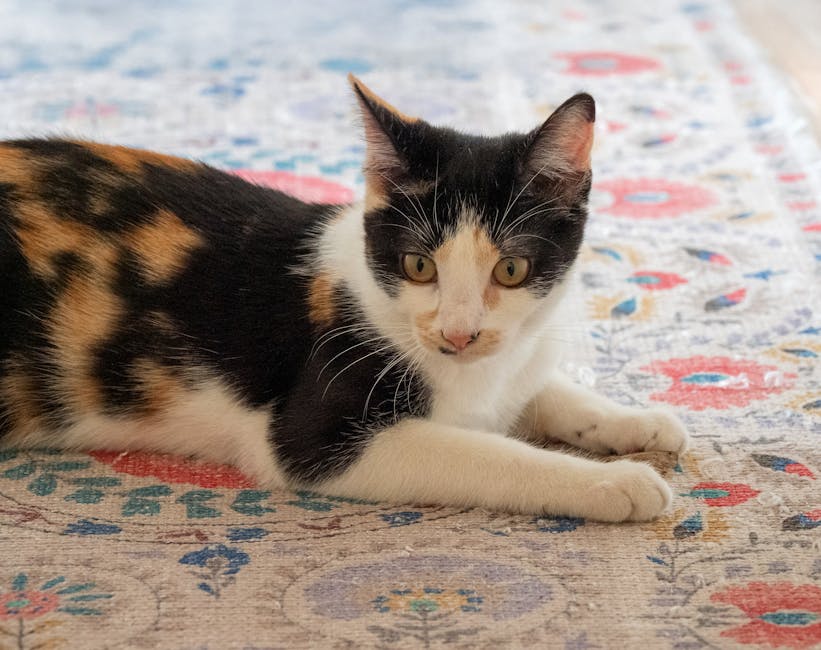
Enzyme Cleaner for Cat Urine: What Actually Works
Enzyme Cleaner for Cat Urine: What Actually Works
Cat urine is genuinely difficult to eliminate. You clean the spot, the smell disappears for a few days, then the heat kicks on or the humidity climbs and suddenly the whole room reeks like a litter box again.
That's not random. There's a chemical reason it keeps happening, and most cleaners, even the ones marketed for pet stains, don't address it. They move the problem around, spray fragrance on top, and leave the actual odor-causing compounds sitting right where they were. What follows explains why that happens and what has to occur at the molecular level to actually break cat urine down.
Why Cat Urine Is Harder to Remove Than Other Pet Stains
Cat urine is biologically different from dog urine, and that difference is what makes it so persistent. All urine carries urea, creatinine, and proteins. Cat urine, though, is far more concentrated. Cats evolved in desert environments, so their bodies conserve water aggressively, packing far more waste solids per drop than more dilute urine does.
That concentrated residue hardens as it dries. It binds hard to fibers, fabric, wood, grout, essentially any porous surface it touches. Water-based cleaners can rinse away the surface layer, which kills the smell temporarily. The hardened residue stays locked in place underneath. Heat the room or spike the humidity and it rewets, releasing odor again. The smell's back. Sometimes a full year later.
When an old stain suddenly seems to return, it never actually left. The crystals went dormant.
How Enzyme Cleaners Break Down Cat Urine
Enzyme cleaners work by introducing biological catalysts that target specific urine compounds. For cat urine, three matter most: urease, which breaks down urea into carbon dioxide and ammonia that then evaporate; protease, which dismantles the protein components at a molecular level; and oxidase, which some formulations add to tackle the chromophores responsible for staining.
What separates enzyme cleaners from conventional ones is that enzymes don't just dissolve what they can reach on the surface. They keep working as long as they're wet and in contact with organic material. That's why dwell time matters so much. You're running a biochemical reaction, not wiping something clean.
Enzyme cleaners also have to fully saturate the affected area. If urine soaked through carpet and into the padding underneath, a surface spray won't reach the crystals. The cleaner has to go wherever the urine went.
The Fragrance Problem in Most Pet Cleaners
Most commercial pet stain products don't actually use enzymes. They use surfactants and detergents to break up the stain mechanically, then add heavy fragrance to mask whatever smell remains.
Nature's Miracle is sold at practically every pet store. Read the reviews closely, though, and you'll find the same complaint repeating: it works for about a week, then the smell comes back and the cat keeps returning to the same spot.
That second part isn't a coincidence.
Cats' sense of smell is roughly 14 times sharper than a human's. When they encounter a cleaner with strong citrus or floral fragrance, they don't register the area as clean. They detect something actively concealing a smell they can still identify underneath, and that can draw them back to investigate and re-mark the spot. A fragrance-free enzyme cleaner removes that signal entirely. No covering scent means nothing pulling the cat back.
What to Look For in an Enzyme Cleaner for Cat Urine
Before buying, check a few things. A fragrance-free formula matters most if you have cats. Even so-called natural fragrances, lavender, eucalyptus, and similar, can irritate cats or carry toxicity risks. Fragrance-free means the product works without any scent compounds at all.
Look for real enzyme activity. Products should list actual enzymes by name, protease, urease, lipase, or identify specific bacterial or enzyme strains. If the label says only "bio-based formula" or "natural formula" without specifics, that's a red flag. Check for safety, too:
- No ammonia, which actually worsens urine odor
- No bleach, which ruins fibers and can poison cats
- No essential oils, many of which are toxic to cats in concentrated form
- No phenols
A cleaner that only works on carpet isn't worth much. Cat accidents land on hardwood, tile grout, upholstered furniture, concrete. Versatility matters. Third-party certifications mean independent chemists reviewed the ingredients for safety and environmental concerns, which doesn't guarantee the cleaner performs well, but it does mean the formula isn't hiding questionable chemistry.
Earthworm Enzyme Pet Stain Cleaner: A Fragrance-Free Option
The enzyme cleaners that perform well in independent tests share the same traits: no masking fragrance, genuine enzyme activity, and a safety profile that's sound for pets and people. Earthworm's enzyme pet stain and odor eliminator fits that description. It carries bacterial enzyme strains formulated to target urine residue, proteins, and organic waste. Zero fragrance, and that means zero, not subtle, not natural, nothing. The formula's certified by an independent safety standards program, meaning outside chemists reviewed every ingredient. It works on carpet, upholstery, hardwood, tile, and concrete.
For households with multiple cats or a cat that keeps hitting the same spot, the fragrance-free formula makes a real practical difference. You're removing the chemical signal that brings cats back, not just cleaning the visible mess.
Earthworm also produces a full enzyme cleaner for pets collection that includes a carpet-specific formula designed for machine extraction.
How to Use Enzyme Cleaner on Cat Urine (Step by Step)
Technique matters as much as product choice.
1. Blot, don't rub
Move fast and blot up as much liquid as possible with paper towels or a clean cloth. Press down firmly. Scrubbing spreads urine and pushes it deeper into fibers.
2. Apply generously
Spray or pour enough enzyme cleaner to fully saturate the area. If the accident went through carpet to the padding, the cleaner has to reach the padding too. A light surface spray won't get to the residue sitting underneath.
3. Let it sit for at least 15 minutes
Most people get this wrong. They spray, wait 90 seconds, and wipe it up. Enzymes require time to complete the biochemical breakdown. For heavy stains, leave it 30 minutes and cover the area with plastic wrap to slow evaporation and keep the surface wet.
Pro tip: Dwell time is everything. Enzymes are running a biochemical reaction, not wiping a surface. Cover heavy stains with plastic wrap so the area stays wet and the enzymes can keep working.
4. Blot again
After sitting, blot up the cleaner and the loosened residue. Let the area air dry completely.
5. Repeat for old stains
Stains that have been there for months may need 2 or 3 treatments. Before treating an old one, lightly wet it with water first to reactivate the crystals, then apply enzyme cleaner and leave it overnight.
Dealing With Old Cat Urine Stains
Old stains present their own set of problems. The residue is fully dried and hardened, the moisture is long gone, and you probably don't know how large the affected area actually is. Use a UV black light in a dark room. Cat urine fluoresces under UV, so you can see the entire stained area, spots you didn't know were there included. Old stains are typically 2 to 3 times larger than what's visible under normal light.
Mark the affected spots and treat each one. Mist old stains with water first to reactivate the crystals, apply enzyme cleaner generously, cover with plastic wrap, and leave it overnight. Repeat if you have to.
If urine soaked all the way through carpet into the padding and subfloor, enzyme cleaner applied from above sometimes can't reach it. At that point, you may have to cut out and replace the padding, or treat from both sides and seal the subfloor with an odor-blocking primer.
Ready to try it?
Earthworm uses real enzymes to break down organic matter at the source. Fragrance-free. Safe for kids, pets, and septic systems.
Shop Pet Stain & Odor Eliminator →
Why Do Dogs Pee in the Same Spot? The Science Behind Canine Behavior
Dogs mark the same spot for reasons rooted in instinct and communication, using their urine to leave messages, establish territory, and connect with other dogs. While this behavior is natural, it can become problematic when it happens indoors or in unwanted areas. Understanding the science behind marking—like their use of pheromones and scent preferences—can help you address the issue.


