
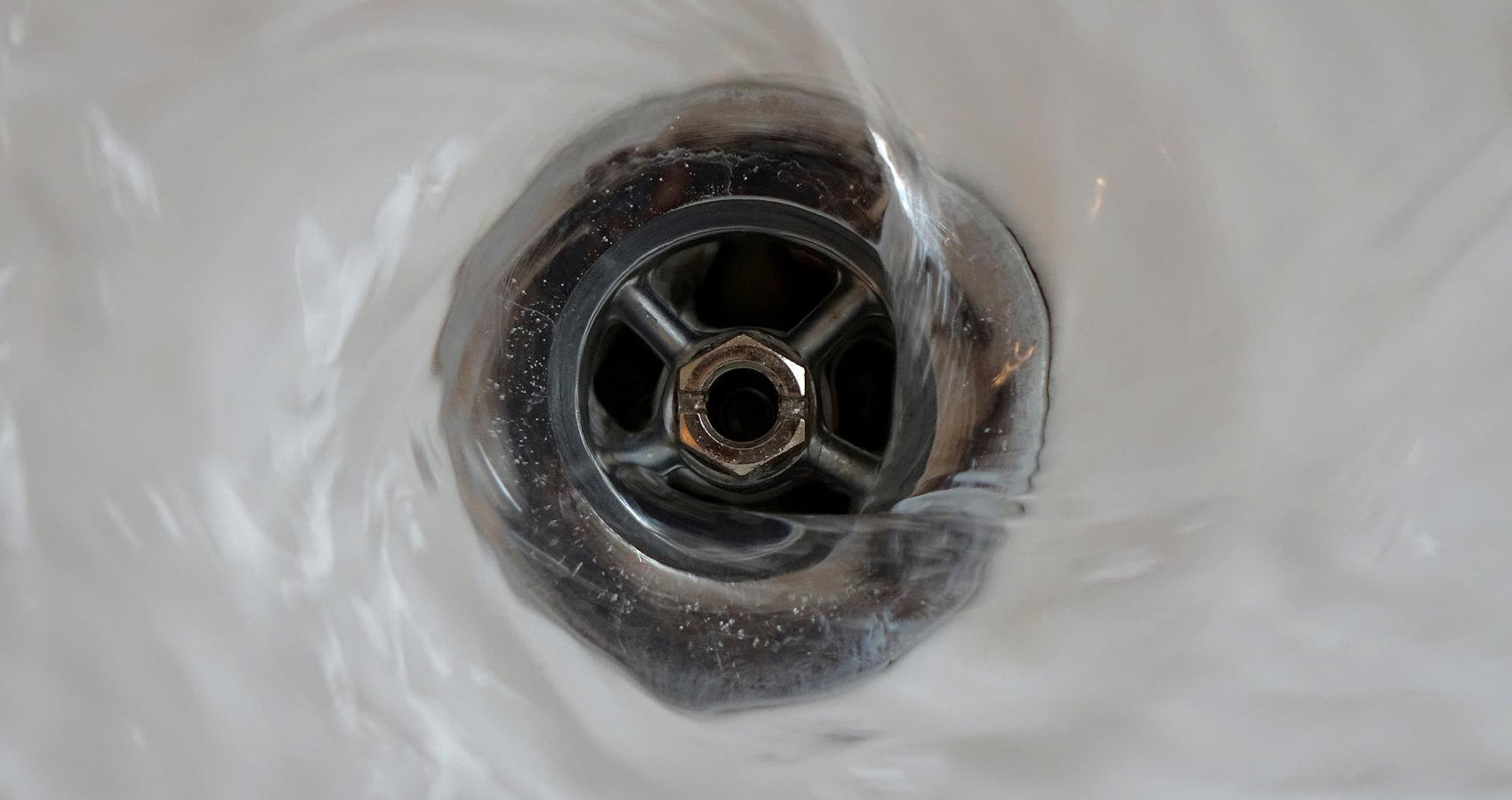
How to Clear Hair from a Drain
Bathroom drains clog for one reason more than any other: hair. The average person sheds 50 to 100 hairs a day, and in a two-person household with long hair, you're sending something like a thousand strands a week down a pipe that wasn't designed for fibrous buildup. Add conditioner, body wash, and the waxy residue bar soap leaves behind in hard water, and you've got a slow-growing mat sitting in the P-trap waiting to catch everything else that comes down after it.
Here's how to get a hair clog out of your drain, the order to try methods in (cheapest first), and how to keep the next one from forming.
Why hair clogs drains in the first place
Hair is made of keratin, a tough protein that doesn't break down in water. On its own, a few strands would rinse straight through. But in a shower drain, hair immediately meets the residue from whatever else you're using: conditioner, shampoo, body oil, soap scum. Those substances bind the strands together into a felt-like mat that anchors to the rough inside of the pipe.
Once that mat is there, it catches more hair, more grease, and more mineral buildup from hard water. Within a few weeks, what started as a dozen strands can be a dense plug an inch or two long. That's the point where you notice the water draining slowly, and by the time it's fully backed up, the clog has usually moved past the point you can reach with your fingers.
How to get hair out of a drain (easiest methods first)
Start with the cheapest, least invasive method and escalate only if it doesn't work. Most hair clogs sit within the first few inches of the drain opening and come out with the first or second technique.
Method 1: Remove the stopper and fish it out
Pop or unscrew the drain stopper (most twist off; some lift straight out). Shine a flashlight down and you'll usually see the clog. Grab it with needle-nose pliers, tweezers, or even a bent paperclip. This clears most bathroom clogs in under a minute. Bag it and throw it out. Don't rinse it back down.
Method 2: Use a hair grabber tool
A plastic hair snake (sometimes called a Zip-It or drain hair tool) costs two or three dollars at any hardware store. It's a long, flexible strip with small barbs along the sides. Push it in, twist, and pull. The barbs catch whatever's in there. These reach eight to twelve inches farther than your fingers can. Rinse the tool, and it's reusable.
Method 3: Plunger with a wet seal
If you can't see the clog and the grabber didn't reach it, a plunger can push it free. Cover the overflow opening in the tub with a wet rag (otherwise the pressure escapes sideways), fill the drain with a couple inches of water to seal the plunger, and pump hard ten or fifteen times. Works best on softer clogs that have recently formed.
Method 4: Enzyme drain cleaner overnight
For clogs you can't see or reach, this is the right next step before escalating to a drain snake. Enzymes actually digest the proteins in hair. Pour Earthworm Drain Cleaner down the drain at night when no one will use the shower for six to eight hours. Repeat two or three nights in a row for a built-up clog. The enzymes keep working as long as they have contact time and a warm-ish environment, which is exactly what a residential drain gives them.
This is also the only method that clears clogs you can't physically reach. Drain snakes can push through a clog, but they don't remove the residue that catches the next one. Enzymes dissolve the whole structure.
Method 5: Drain snake or auger (last resort)
If the clog is deeper than an arm's reach and enzymes aren't moving it, a hand-crank drain auger can break through. Feed the cable down until you hit resistance, crank the handle to rotate the tip, and pull back. This works on stubborn packed clogs but often just pushes the material further down rather than extracting it. Follow with an enzyme treatment the same night to clear whatever the snake pushed past.
What breaks down hair in drains
People search for this a lot because it's genuinely interesting: hair doesn't dissolve in water, so what can actually eat through a hair clog sitting in your pipe?
Three categories of products claim to do it:
- Caustic chemical drain cleaners (sodium hydroxide, sulfuric acid). These break down proteins through a violent chemical reaction, generating heat in the process. They work, but they corrode older pipes, damage the rubber seals in modern plumbing, poison septic systems, and emit fumes that are genuinely dangerous in a small bathroom. Don't use them on a regular maintenance basis.
- Enzyme drain cleaners (proteases, lipases, and related bacterial cultures). These use the same mechanism your body uses to digest food: specific enzymes break specific types of organic material at the molecular level. Proteases target the keratin in hair and skin cells. Lipases handle the oils from conditioners and body products. The process is slower than chemicals (hours instead of minutes), but it's safe for any plumbing, safe for septic, and the beneficial bacteria keep producing enzymes for weeks after application.
- Home remedies (baking soda, vinegar, boiling water). These do almost nothing to hair. The fizzing reaction looks impressive, but it doesn't have the chemical strength to dissolve keratin. Useful for odor and minor grease, ineffective for hair clogs.
Best drain cleaner for hair clogs
For ongoing maintenance in a household with hair issues, enzyme-based cleaners win on every dimension except speed. They're safe to use weekly, they don't damage plumbing, they work while you sleep, and they prevent the next clog while dissolving the current one.
Earthworm Drain Cleaner is formulated specifically for organic buildup, including hair, soap scum, oils, and food residue. It's safe for PVC, cast iron, copper, garbage disposals, and septic systems. One bottle treats a drain for several weeks of monthly maintenance, or two to three nights of intensive clog-clearing.
If you need a bottle now: grab one here.
How to prevent hair clogs from forming
Prevention is about ninety percent easier than clog removal. Two habits cover almost everything:
- Install a drain screen and clean it weekly. A mesh screen costs a couple of dollars and catches virtually all the hair before it enters the pipe. Pop it out, dump what's in it into the trash, rinse, replace. Takes ten seconds. Do it every week and you've eliminated the primary input that creates clogs.
- Run enzyme drain cleaner monthly. Even with a screen, small amounts of hair, skin cells, and product residue get through. A monthly enzyme application keeps the bacterial colony active in your plumbing and dissolves the residue before it builds up. Set a phone reminder for the last Sunday of the month and let it run overnight.
If someone in your household has very long hair or uses heavy conditioners, bump the enzyme treatment to every two weeks. It's still cheaper and faster than calling a plumber.
When to call a plumber
Most hair clogs clear with the methods above. Call someone if you see any of these signs, because they suggest a problem deeper than a local clog:
- Multiple drains clog at once. Your shower, sink, and toilet all running slow at the same time points to a main line issue.
- Gurgling from other fixtures. When you run water in one drain and another drain gurgles, that's trapped air from a blockage downstream.
- Sewer smell. A dry P-trap, a broken vent stack, or a main-line crack. Not a DIY fix.
- Clog returns within days of clearing. Something structural is wrong, usually a partially collapsed pipe section or tree root intrusion in older homes.
The short version
Most hair clogs come out in under five minutes with a stopper removal or a two-dollar hair grabber. For anything deeper, an overnight enzyme treatment with Earthworm Drain Cleaner dissolves the clog without wrecking your pipes. Then install a drain screen and run the enzyme once a month to prevent the next one.
That's the whole system. Ten dollars in supplies, ten minutes a month, and you can stop thinking about your drains.


