
Household Cleaning Tips
An enzyme cleaner uses natural bacteria to break protein, grease and starch into pieces small enough for water to carry away. That is why it clears the source of a smell instead of covering it, and why it needs time and moisture rather than scrubbing.
The guides below cover drains, pet stains, septic systems and laundry. If you already know the problem, start here:

Pet Urine Enzyme Cleaner: How It Really Works
Pet Urine Enzyme Cleaner: How It Really Works
You blotted the stain. You did the baking soda thing. You even mixed up that vinegar spray some stranger on Reddit swore would fix everything. And then, three days later, your dog or cat wanders over to the exact same corner, gives it a sniff, and squats again. That's chemistry at work, not a cleaning problem, and the fix is a pet urine enzyme cleaner like Earthworm.
What's Actually in Pet Urine
Mostly water, when it's fresh. There's urea in there too, plus creatinine and a handful of other compounds. The urea falls apart fast and turns into ammonia, which is that sharp, eye-watering smell hitting you the second you open the door. But the stuff that really wrecks your day is the salts and organic residue left behind once the urine dries. (Dogs and cats actually break most uric acid down into a different compound, allantoin, before it's ever excreted, a trick their livers can do that ours can't, so it isn't the residue causing the real trouble here.)
That residue dries hard.
It bonds to carpet fibers, sinks down grout lines, settles deep in wood grain, and clings to fabric, and it isn't water-soluble, so soap slides right past it. Vinegar can't break it apart. Baking soda pulls up moisture but leaves the residue sitting exactly where it was, which is precisely why the stink comes roaring back the moment the air turns humid or somebody walks over the spot in socks.
Pets pick up that residue at concentrations way below anything your nose can register, so they keep returning to spots that seem perfectly clean to you. To them, the sign is still lit.
What Pet Urine Enzyme Cleaner Actually Does
An enzyme cleaner doesn't work the way anything else under your sink does. It won't cover up the smell, and it won't grab a molecule and haul it off somewhere. It eats the stuff. The real workers are bacteria, and they pump out specific enzymes: protease digests the proteins in the urine, urease converts urea into simpler compounds, and other enzymes break down the salts and residue left behind, then the bacteria consume all of it. When you spray down a pet urine enzyme cleaner, you're letting loose a colony of living bacteria that treat the mess like dinner.
Once the organic material is gone, there's nothing left to feed on. No food, no bacteria, no smell. The bacteria die off on their own, which is exactly the reason enzyme cleaner works when everything else flopped.
Why Application Matters as Much as the Product
Most of the time, when an enzyme cleaner "doesn't work," the product wasn't the issue. The way it got used was. People treat urine as a surface stain, and that's a costly mistake. It drops down the carpet pile, soaks the backing, and pools in the padding underneath, so a spray that only dampens the top never touches the crystals sitting three layers down. Soak it. Then soak it more. Use enough that part of you worries you overdid it.
You didn't.
Enzymes are slow, and a quick spray followed by a five-minute blot won't do a thing for a set-in stain, so saturate it, drape a damp cloth over the top so it doesn't dry out, and walk away for anywhere from half an hour to a few hours. Old stain that's been there forever? Leave it overnight. Hot water and steam kill enzymes, so stick to room-temperature or cool water if you're diluting or rinsing, and don't run a steam cleaner over a spot before the enzyme cleaner has finished working. Bleach, ammonia cleaners, and oxidizers will all destroy enzymes too, so if you've already hit a spot with something else, rinse it out thoroughly before the enzyme cleaner goes down.
Pro tip: Hot water and steam kill enzymes. Stick to room-temperature or cool water when diluting or rinsing, and never run a steam cleaner over a spot before the enzyme cleaner has finished working.
Fresh Stains vs. Old Stains
A fresh accident is the easy version. Blot up everything you can first, but don't scrub, because scrubbing spreads the stain wider and grinds it deeper. Then saturate with enzyme cleaner and give it room to work.
Old stains test your patience. The residue has had time to dig in and spread, so wet the area first to loosen it, then pour on the enzyme cleaner without being shy about volume. Some spots take two or three rounds spread over a few days before the smell finally quits, and that's completely normal.
For rough cases, say, a corner where a cat's been going for months, you might have to get down to the padding and even the subfloor. Enough volume of cleaner can reach those layers. But sometimes the material is so far gone that ripping it out and replacing it is the only honest answer.
Earthworm vs. Other Enzyme Cleaners
Enzyme cleaners aren't all built the same. Most of what's on the shelf blends a few enzymes with surfactants, fragrance, and chemical solvents. The surfactants handle what your eyes can see, the fragrance papers over whatever odor's left, and the enzymes are often barely a whisper of what's actually in the bottle. Earthworm's pet formula skips the fragrance entirely and doesn't rely on masking anything. The enzyme load is the whole point, not just a line on the label. It's also safe around cats, dogs, and kids once it's dried, which actually matters when your animal sprints back to a freshly cleaned spot the second you turn your back.
Want the full breakdown? We've done a side-by-side comparison of Earthworm and Nature's Miracle here.
When Enzyme Cleaner Isn't Enough
Enzyme cleaner handles organic messes. It won't lift mineral deposits, dye stains, or fix physical damage. If a stain has actually changed the color of your carpet rather than just sitting on top of it, that's dye from the urine, and that's a separate problem entirely. Carpet that's been soaked over and over for months or years can break down structurally, and the subfloor underneath might be saturated enough that any surface treatment is pointless. In that situation, real options are professional extraction followed by enzyme treatment, or simply replacing the carpet. But for a normal pet household, enzyme cleaner used consistently does the job. Hit fresh accidents in the first few hours. Keep a bottle within reach.
With the right enzyme cleaner and enough dwell time, even set-in residue can be fully broken down. The product has to actually reach it, though, which means saturating down every layer.
That smell stuck in the corner? You really can get rid of it for good.
Ready to try it?
Earthworm uses real enzymes to break down organic matter at the source. Fragrance-free. Safe for kids, pets, and septic systems.
Shop Pet Stain & Odor Eliminator →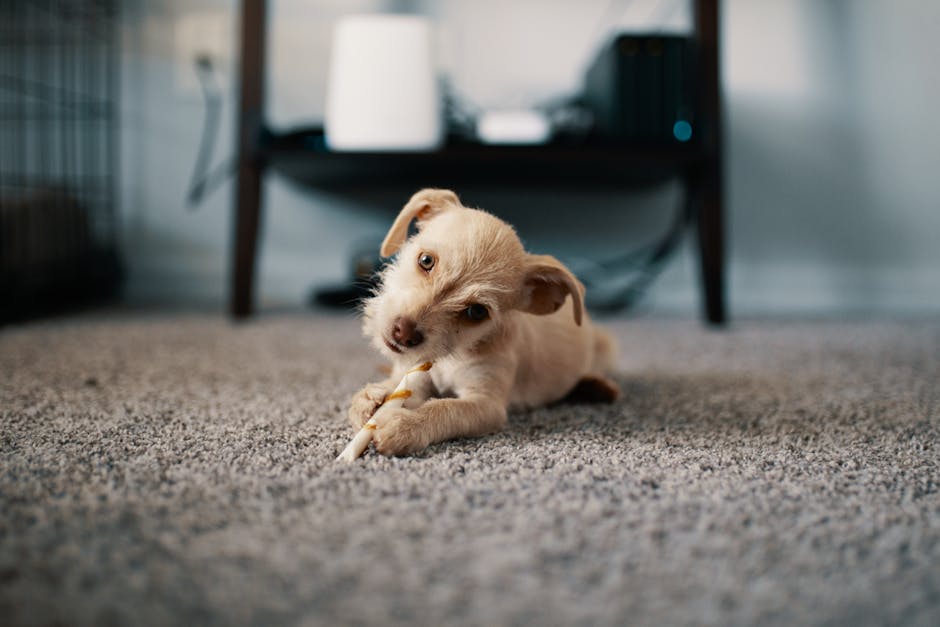
Enzyme Cleaner for Dog Urine: What Actually Works (and Why)
Enzyme Cleaner for Dog Urine: What Actually Works (and Why)
Dog pee accidents happen. Constantly. But here's what nobody tells you, the real problem isn't the puddle you see. It's what comes after. That urine soaks deep. Into carpet padding. Into grout. Down into hardwood grain. You mop. You spray. You think it's gone. Nope. Those smell-causing compounds are still hanging out in the fibers.
Then summer hits. Humidity spikes. Your living room suddenly reeks like a kennel. Enzyme cleaners are the only thing that actually breaks down those compounds. But, and this matters, they're not all the same. Some work. Others just cover up the smell temporarily.
What Makes Dog Urine So Hard to Get Rid Of
Dog urine has three main culprits: urea, salts, and urochrome. Urea? Easy to break down. Urochrome creates those yellow stains you can't stop staring at. The salts and residue left behind are the real problem. That's what makes the smell stick.
Here's where it gets annoying. As urine dries, the salts and residue harden and bond to carpet fibers, grout, wood, anything porous. Regular cleaners (even good ones) only remove the surface stuff. That hardened residue stays locked in. Heat and moisture rewet it and release odor again. Boom. Smell's back. That's why it always feels worse in summer or after humid days. (Dogs actually break most uric acid down into a different compound before it ever leaves their body, so it's the leftover salts and organic waste doing the damage here, not uric acid crystals.)
And your dog's nose destroys yours. Way better. Even after you've cleaned, chemical markers are still screaming "I peed here" to your dog's olfactory system. Lemon-fresh fragrance doesn't erase those signals. It just adds another smell on top.
How Enzyme Cleaners Actually Break Down Dog Urine
Enzyme cleaners work by introducing biological catalysts that specifically target urine compounds:
- Urease converts urea into carbon dioxide and ammonia, which dissipate into air
- Protease breaks down the protein components in urine at the molecular level
- Lipase breaks down fatty compounds in the waste
These aren't surface cleaners. They keep working as long as they're in contact with organic material and staying moist.
Dwell time is everything. A quick two-minute spray won't cut it. The enzymes need time. 15-30 minutes minimum. Let them actually finish the job.
Pro tip: Done right, there's nothing left for odor to come from. No crystals. No organic compounds. No chemical signal telling your dog "this is your bathroom." The spot is genuinely clean. Not just looks clean.
What to Look for When Buying a Dog Urine Enzyme Cleaner
Actual enzymes in the formula
Check the label. Look for protease, urease, or lipase. Or active bacterial cultures. If it just says "natural" or "bio-based" without naming specific enzymes, they're probably using surfactants and fragrance instead of the real thing.
Fragrance-free or minimal fragrance
Dogs smell about 10,000 times better than you do. A heavily fragranced cleaner hides what your nose detects. Your dog still picks up the original signal underneath. True odor elimination means removing that signal entirely. Not covering it up.
Works on multiple surfaces
Your dog doesn't care what surface they pee on. Accidents happen on carpet, hardwood, tile, upholstery, everything. You need something that cleans carpet without destroying hardwood. Look for formulas safe across different materials.
Safe for dogs and kids
No ammonia (it smells like pee to dogs and makes them mark the spot again). No bleach (ruins fibers, potential health hazard). Nothing with phenols or concentrated essential oils.
Third-party certification
An independent organization actually verified every ingredient's safety profile and environmental impact. In a market drowning in vague "natural" and "eco" claims that mean absolutely nothing, this credential actually means something.
Earthworm Enzyme Cleaner for Dog Urine
Earthworm's enzyme pet stain and odor eliminator checks all these boxes. Live bacterial enzyme cultures, protease, urease, and lipase, breaking down dog urine at the molecular level. Zero fragrance. This matters. Your dog stops returning to the spot. People sensitive to smells don't suffer. Safe for the whole family. Works on carpet, upholstery, hardwood, and tile.
Multiple dogs or one dog with a favorite peeing spot? The fragrance-free part is huge. Once enzymes eliminate that residue completely, there's nothing attracting your dog back. You're not fighting against your dog's nose anymore. You're removing what it's looking for.
The 64oz refill size handles repeat problems. Enzyme cleaners need generous amounts. You want the product soaking as deep as the urine did. Don't skimp. Refill format makes using it liberally actually affordable.
Check out the full enzyme cleaner for pets collection for different sizes and the carpet deep clean formula if you're using a cleaning machine.
How to Actually Use Enzyme Cleaner on Dog Urine
Fresh accidents
- Blot up as much liquid as you can. Press down with paper towels. Don't rub it around
- Pour enzyme cleaner on generously. Soak the whole affected area
- Cover with plastic wrap or a damp cloth. Keep it wet
- Wait at least 15 minutes. 30 is better if it was a bigger spot
- Blot up the leftover cleaner and let it air dry
Old, set-in stains
- Grab a UV black light. Check the area in the dark. The stain's always bigger than what you can see
- Lightly spray water on it. Wake up that dried residue
- Apply enzyme cleaner heavily and cover it overnight
- Repeat if needed. Old stains usually take 2-3 rounds
If the pee soaked through carpet into the padding, you might need to treat from underneath. Or replace the padding if it's totally saturated. We see this happen a lot with big dogs or when the same spot gets marked over and over.
Why Your Dog Keeps Peeing in the Same Spot
Dogs mark territory with urine. Once a spot's marked, chemical signals tell the dog "this is the right place to pee." Most cleaners make it so you can't smell it and the stain fades. Your dog? Still picking up leftover chemical residue.
Complete removal is the fix. Not masking. Only enzyme cleaners can actually do this. Remove the compounds, and you remove the territorial signal.
Your dog keeps returning to the same spot even after cleaning? Previous cleaning didn't fully break down the residue. Grab a UV light to see exactly how far the stain goes. Then do a thorough enzyme treatment with proper dwell time.
Dog Urine vs. Cat Urine: Are They Different?
Cat urine is way more concentrated. Packed with more waste solids. A lot harder to clean. Same enzymes work on both, but cat accidents need longer dwell time and usually multiple applications. For specifics on dealing with cat pee, check out our guide to enzyme cleaner for cat urine.
Frequently Asked Questions
How long does enzyme cleaner take to work on dog urine?
Minimum 15-30 minutes for fresh accidents. For old or dried stains, overnight works better. Keep the area moist while it works. Enzymes stop working once they dry out.
Is enzyme cleaner safe for dogs once it's dry?
Completely safe once dry. These are pet and family safe. Keep your dog away while you're treating and until it dries. Just avoid formulas with essential oils. Those irritate pets.
Why does dog urine smell worse when it's humid outside?
That residue stays embedded in fibers after you clean the surface. When it gets humid and warm, it rewets and releases odor. That's why the smell comes "back" after cleaning. You only cleaned the surface. The residue stayed put. Only enzyme treatment breaks the residue down so it can't rewet and smell again.
Can I use enzyme cleaner on a cleaning machine?
Yes. Earthworm has a carpet deep clean formula designed for machine use. Check the label before adding any enzyme cleaner to a rental or borrowed machine. Some machines have warranty restrictions.
How much enzyme cleaner do I need?
You need enough to saturate the affected area. Under-treating is the most common reason enzyme cleaners fail. If you're unsure, use more rather than less. The enzymes only break down what they contact. Thorough saturation matters.
Ready to eliminate dog urine odor for good? Shop Earthworm enzyme cleaner now and actually solve the problem instead of masking it.
Ready to try it?
Earthworm uses real enzymes to break down organic matter at the source. Fragrance-free. Safe for kids, pets, and septic systems.
Shop Pet Stain & Odor Eliminator →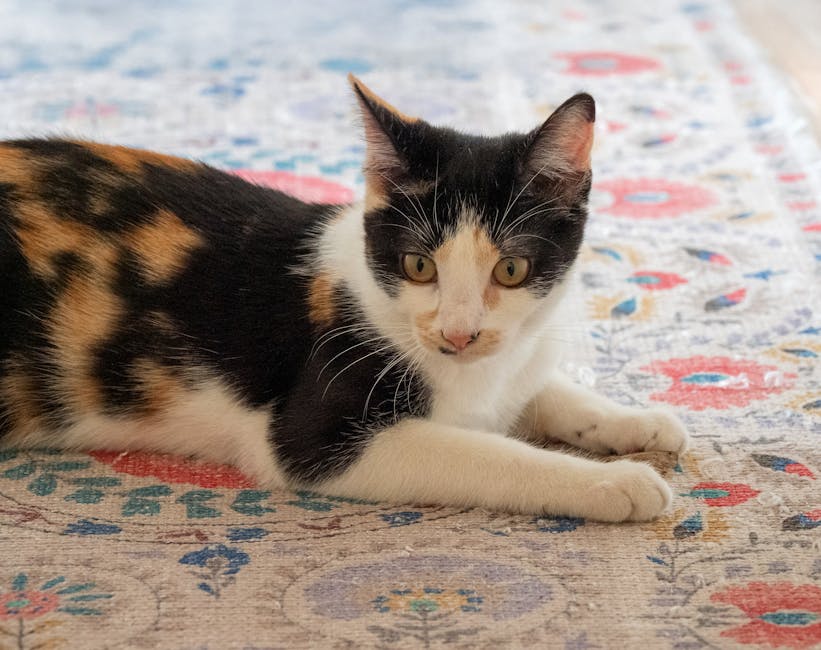
Enzyme Cleaner for Cat Urine: What Actually Works
Enzyme Cleaner for Cat Urine: What Actually Works
Cat urine is genuinely difficult to eliminate. You clean the spot, the smell disappears for a few days, then the heat kicks on or the humidity climbs and suddenly the whole room reeks like a litter box again.
That's not random. There's a chemical reason it keeps happening, and most cleaners, even the ones marketed for pet stains, don't address it. They move the problem around, spray fragrance on top, and leave the actual odor-causing compounds sitting right where they were. What follows explains why that happens and what has to occur at the molecular level to actually break cat urine down.
Why Cat Urine Is Harder to Remove Than Other Pet Stains
Cat urine is biologically different from dog urine, and that difference is what makes it so persistent. All urine carries urea, creatinine, and proteins. Cat urine, though, is far more concentrated. Cats evolved in desert environments, so their bodies conserve water aggressively, packing far more waste solids per drop than more dilute urine does.
That concentrated residue hardens as it dries. It binds hard to fibers, fabric, wood, grout, essentially any porous surface it touches. Water-based cleaners can rinse away the surface layer, which kills the smell temporarily. The hardened residue stays locked in place underneath. Heat the room or spike the humidity and it rewets, releasing odor again. The smell's back. Sometimes a full year later.
When an old stain suddenly seems to return, it never actually left. The crystals went dormant.
How Enzyme Cleaners Break Down Cat Urine
Enzyme cleaners work by introducing biological catalysts that target specific urine compounds. For cat urine, three matter most: urease, which breaks down urea into carbon dioxide and ammonia that then evaporate; protease, which dismantles the protein components at a molecular level; and oxidase, which some formulations add to tackle the chromophores responsible for staining.
What separates enzyme cleaners from conventional ones is that enzymes don't just dissolve what they can reach on the surface. They keep working as long as they're wet and in contact with organic material. That's why dwell time matters so much. You're running a biochemical reaction, not wiping something clean.
Enzyme cleaners also have to fully saturate the affected area. If urine soaked through carpet and into the padding underneath, a surface spray won't reach the crystals. The cleaner has to go wherever the urine went.
The Fragrance Problem in Most Pet Cleaners
Most commercial pet stain products don't actually use enzymes. They use surfactants and detergents to break up the stain mechanically, then add heavy fragrance to mask whatever smell remains.
Nature's Miracle is sold at practically every pet store. Read the reviews closely, though, and you'll find the same complaint repeating: it works for about a week, then the smell comes back and the cat keeps returning to the same spot.
That second part isn't a coincidence.
Cats' sense of smell is roughly 14 times sharper than a human's. When they encounter a cleaner with strong citrus or floral fragrance, they don't register the area as clean. They detect something actively concealing a smell they can still identify underneath, and that can draw them back to investigate and re-mark the spot. A fragrance-free enzyme cleaner removes that signal entirely. No covering scent means nothing pulling the cat back.
What to Look For in an Enzyme Cleaner for Cat Urine
Before buying, check a few things. A fragrance-free formula matters most if you have cats. Even so-called natural fragrances, lavender, eucalyptus, and similar, can irritate cats or carry toxicity risks. Fragrance-free means the product works without any scent compounds at all.
Look for real enzyme activity. Products should list actual enzymes by name, protease, urease, lipase, or identify specific bacterial or enzyme strains. If the label says only "bio-based formula" or "natural formula" without specifics, that's a red flag. Check for safety, too:
- No ammonia, which actually worsens urine odor
- No bleach, which ruins fibers and can poison cats
- No essential oils, many of which are toxic to cats in concentrated form
- No phenols
A cleaner that only works on carpet isn't worth much. Cat accidents land on hardwood, tile grout, upholstered furniture, concrete. Versatility matters. Third-party certifications mean independent chemists reviewed the ingredients for safety and environmental concerns, which doesn't guarantee the cleaner performs well, but it does mean the formula isn't hiding questionable chemistry.
Earthworm Enzyme Pet Stain Cleaner: A Fragrance-Free Option
The enzyme cleaners that perform well in independent tests share the same traits: no masking fragrance, genuine enzyme activity, and a safety profile that's sound for pets and people. Earthworm's enzyme pet stain and odor eliminator fits that description. It carries bacterial enzyme strains formulated to target urine residue, proteins, and organic waste. Zero fragrance, and that means zero, not subtle, not natural, nothing. The formula's certified by an independent safety standards program, meaning outside chemists reviewed every ingredient. It works on carpet, upholstery, hardwood, tile, and concrete.
For households with multiple cats or a cat that keeps hitting the same spot, the fragrance-free formula makes a real practical difference. You're removing the chemical signal that brings cats back, not just cleaning the visible mess.
Earthworm also produces a full enzyme cleaner for pets collection that includes a carpet-specific formula designed for machine extraction.
How to Use Enzyme Cleaner on Cat Urine (Step by Step)
Technique matters as much as product choice.
1. Blot, don't rub
Move fast and blot up as much liquid as possible with paper towels or a clean cloth. Press down firmly. Scrubbing spreads urine and pushes it deeper into fibers.
2. Apply generously
Spray or pour enough enzyme cleaner to fully saturate the area. If the accident went through carpet to the padding, the cleaner has to reach the padding too. A light surface spray won't get to the residue sitting underneath.
3. Let it sit for at least 15 minutes
Most people get this wrong. They spray, wait 90 seconds, and wipe it up. Enzymes require time to complete the biochemical breakdown. For heavy stains, leave it 30 minutes and cover the area with plastic wrap to slow evaporation and keep the surface wet.
Pro tip: Dwell time is everything. Enzymes are running a biochemical reaction, not wiping a surface. Cover heavy stains with plastic wrap so the area stays wet and the enzymes can keep working.
4. Blot again
After sitting, blot up the cleaner and the loosened residue. Let the area air dry completely.
5. Repeat for old stains
Stains that have been there for months may need 2 or 3 treatments. Before treating an old one, lightly wet it with water first to reactivate the crystals, then apply enzyme cleaner and leave it overnight.
Dealing With Old Cat Urine Stains
Old stains present their own set of problems. The residue is fully dried and hardened, the moisture is long gone, and you probably don't know how large the affected area actually is. Use a UV black light in a dark room. Cat urine fluoresces under UV, so you can see the entire stained area, spots you didn't know were there included. Old stains are typically 2 to 3 times larger than what's visible under normal light.
Mark the affected spots and treat each one. Mist old stains with water first to reactivate the crystals, apply enzyme cleaner generously, cover with plastic wrap, and leave it overnight. Repeat if you have to.
If urine soaked all the way through carpet into the padding and subfloor, enzyme cleaner applied from above sometimes can't reach it. At that point, you may have to cut out and replace the padding, or treat from both sides and seal the subfloor with an odor-blocking primer.
Ready to try it?
Earthworm uses real enzymes to break down organic matter at the source. Fragrance-free. Safe for kids, pets, and septic systems.
Shop Pet Stain & Odor Eliminator →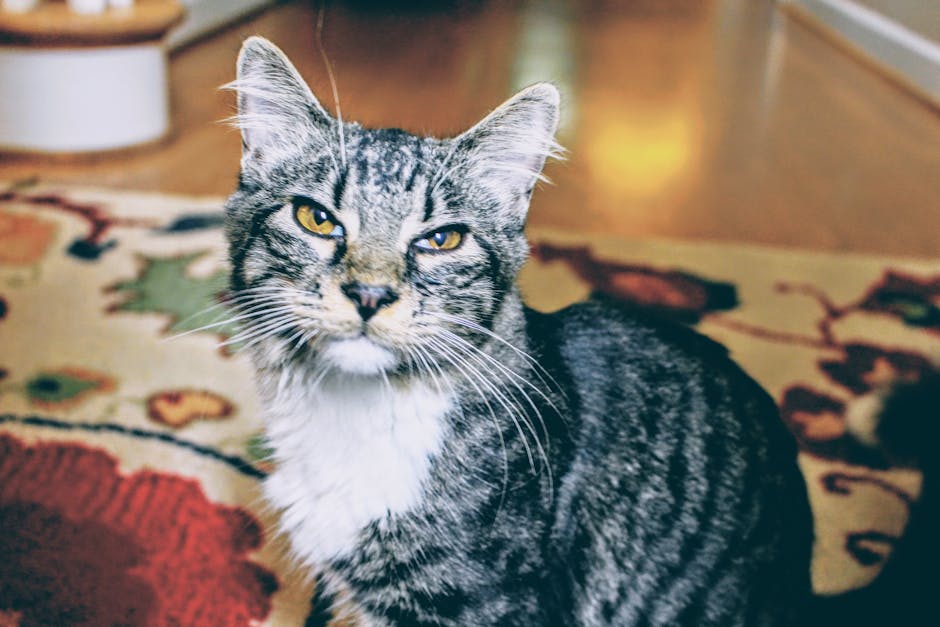
Happy Place Pet Stain Odor Eliminator Review and Alternatives
Happy Place Pet Stain Odor Eliminator Review and Alternatives
I've tested plenty of pet stain removers over the years. Happy Place Pet Stain Odor Eliminator made the cut. It's decent, not without its problems, but once I started comparing it to real enzyme cleaners, the cracks showed up fast. If you're dealing with anything messier than a fresh puddle, you'll see them too.
What Happy Place Gets Right
Plant-derived surfactants, light citrus scent, non-toxic, spray bottle ready to go. On fresh stains, accidents you catch in a few minutes, it cleans the visible mess and kills most of the smell. Easy to spray. Safe for most surfaces. The scent doesn't punch you in the face the way some older enzymatic brands do. For light, daily cleanups, it works.
Where Happy Place Falls Short
Anything serious breaks the cleaner.
Old stains, repeat spots, cat urine especially. Pet urine carries salts and organic waste, and as it dries, that residue locks into carpet fibers, furniture backing, and wood. Happy Place's surfactants clean the top layer, sure, but they can't break down that residue underneath, so the stain fades, the smell seems gone, and then, whenever humidity hits, it comes right back.
The fragrance is another problem. Your dog or cat has a nose roughly ten thousand times more sensitive than yours, and citrus doesn't erase what they're smelling. It just covers it up. They still smell the urine under the fragrance, so they keep marking that same spot even after you've cleaned it.
How Earthworm Enzyme Cleaner Is Different
Earthworm's enzyme pet stain and odor eliminator solves the problem differently, deploying actual enzymes rather than surfactants. Protease attacks the protein in urine. Urease converts urea into compounds that evaporate. They're biological catalysts that consume the organic material causing the stain and smell, and once they've finished, those compounds are gone rather than just covered over.
It's completely fragrance-free, which matters more than it sounds. When you actually eliminate the odor rather than layering citrus over it, there's nothing left for your pet to smell, no competing scents, no reason to return to the spot, and the habit loop breaks. Third-party labs tested the formula, checking every ingredient against rigorous standards. No greenwashing. Actual science.
The formula works on carpet, upholstery, hardwood, tile, and concrete, all of them, because the enzymes target organic compounds regardless of what surface they're sitting on.
Direct Comparison: Happy Place vs. Earthworm
| Feature | Happy Place | Earthworm |
|---|---|---|
| Enzyme-based | No (surfactants) | Yes (protease, urease) |
| Fragrance | Citrus scent | Fragrance-free |
| Third-party tested | No | Independently tested |
| Works on old stains | Limited | Yes (with dwell time) |
| Safe for cats | Mostly, but has citrus | Yes, fully fragrance-free |
| Breaks odor return cycle | Inconsistent | Yes (removes signal completely) |
Who Should Use Each Product
Young puppy, fresh accidents, something gentle for daily use in the gaps before deeper cleans. Happy Place works. It's easy to find, it doesn't reek, and it handles light surface messes without any fuss.
A real enzyme cleaner, Earthworm being the one worth recommending, is what you want if any of the following describe your house: stains that dried hours ago, a pet that keeps returning to the same spot, cat urine, which is more concentrated than dog urine, multiple pets and a smell that keeps building up, or anyone in the home who's sensitive to fragrance.
Cat urine deserves its own note. Higher concentration means residue sets faster, and cats react badly to fragrance residue. For the full breakdown on enzyme cleaners and cat-specific problems, check out our guide on enzyme cleaner for cat urine.
When Happy Place Actually Works (And When It Doesn't)
Happy Place does work for specific situations, and knowing which ones saves money and keeps you from cleaning the same spot twice.
Good use cases
- Fresh surface spills cleaned up in under 30 minutes
- Muddy paw prints on hard floors
- Surface dirt with no deep organic residue
- Routine cleaning of food bowls and crates free of urine or feces
- Light pet hair areas where you're cutting surface oils before vacuuming
Where it won't cut it
- Any urine stain older than 2 hours, because the residue has already hardened and surfactants can't touch it
- Spots your pet has peed on multiple times, where there's simply too much buildup
- Cat urine, which needs enzymes every single time
- Stains that have soaked down to carpet padding
- Homes where pets are actively marking, since the chemical signal has to disappear completely rather than get partially masked
Pro tip: Any urine stain older than 2 hours has already crystallized. Surfactant cleaners can't dissolve those crystals, so reach for a true enzyme cleaner instead of cleaning the same spot twice.
Other Plant-Based Options Out There
Happy Place isn't alone in its category, and similar products share the same strengths and weaknesses because they're all surfactant-based. Brand differences mostly come down to fragrance choice, concentration, and price.
Seventh Generation Pet Stain and Odor Remover is plant-derived, light citrus, comparable cost, and performs essentially the same as Happy Place. Fresh accidents, yes. Old stains, no. Nature's Miracle in its original plant-based formula is easier to find in stores and often cheaper, but that original version, not the Advanced enzyme formula, carries the same drawbacks. ECOS Pet Stain and Odor Remover is fragrance-free for the category and closer to enzyme cleaners in ingredients, but it's still surfactant-based, not enzymatic.
They all work on fresh accidents. They all hit the same wall with old stains, marking behavior, carpet padding, and cat urine. The whole category has the same ceiling.
When to Switch to Enzyme Cleaner
Real-world signals that it's time to move from Happy Place to a true enzyme cleaner:
- You cleaned something and the smell came back in a week, which means surfactants failed on the hardened residue
- Your pet keeps going back to that same spot, because the smell you can't detect is still there for them
- You have a cat, especially an unfixed male, and that concentrated urine needs enzymes, period
- Any accident older than 24 hours, since the residue has hardened past what surface cleaners can dissolve
- You moved into a place where the previous owners had pets and the carpet already smells that way
"Surfactants are cleaning tools, not biological ones," said one enzyme-product researcher familiar with the category. "They move soil. They don't eat it."
For any of those situations, grab Earthworm Pet Stain and Odor Eliminator.
Ready to try it?
Earthworm uses real enzymes to break down organic matter at the source. Fragrance-free. Safe for kids, pets, and septic systems.
Shop Pet Stain & Odor Eliminator →
How to Banish Dog Smell from Your House Forever
How to Banish Dog Smell from Your House Forever
Dog smell starts in three places. The dog itself. Where it sleeps. And the spots where accidents happened. Figure out which one you're actually fighting, and everything else clicks into place.
Those plug-in air fresheners won't eliminate it, said Brian Hanson, a pet odor remediation specialist who's consulted on hundreds of home cleanups. "They pile one smell on top of another, leaving you with a floral-chemical cloud that still has dog underneath it." Urine, dander, saliva, all of it sinks deep into carpet and furniture and gets comfortable there. Until you break it down chemically, it isn't going anywhere.
Why Dog Odor Is Harder to Remove Than It Seems
Dog urine leaves behind salts and organic residue you can't see, and once it latches onto carpet fibers or hardwood it grips stubbornly, returning hard the second humidity creeps in. A room smells clean on a dry afternoon. Then a storm rolls in and your nose tells a very different story. The residue never left. It was just dry.
Standard cleaning products won't touch that residue. Dish soap, multi-surface spray, even a lot of enzyme cleaners handle what your eyes can see, but the residue buried underneath stays exactly where it is.
What Actually Works
Fresh accident on the carpet? Soak the area with enzyme cleaner, then wait at least 10 to 15 minutes before you blot. Rush it and you've wasted the whole effort. Enzymes work slowly and they require time.
Still smells bad a day or two later, and you're sure you waited long enough? The urine likely soaked down to the padding below, which is a different problem entirely. Old stains sitting for months require a different tactic: wet the spot with plain water first, which sounds backwards but reactivates the dried crystals so the enzyme cleaner can actually reach them, then apply the enzyme formula and wait again.
Pro tip: For old dried stains, wet the spot with plain water before applying enzyme cleaner. It reactivates the dried crystals so the enzymes can actually reach them.
Earthworm's enzyme cleaner for pet stains and odors skips fragrance entirely. Two reasons for that. Your dog smells straight around any added scent and still knows exactly where it relieved itself. Scented products and essential oils can also affect cats badly if you've got one in the house. Fragrance-free is simply safer all around.
Tackling the Dog Bed and Sleeping Areas
That constant background funk with no obvious source is usually the bed. Most beds fit fine in a washing machine, but a standard wash alone won't kill the smell, because regular detergent doesn't break down the sebum, dander, and oils that accumulate month after month. Add an enzyme cleaner or enzymatic laundry booster to the load. Hot water helps when the care tag allows it.
Can't machine wash the bed? Spray it with enzyme cleaner, let it dry fully in direct sun if you've got access, since UV light actually breaks down odor compounds, then vacuum it thoroughly. Hard surfaces where a dog regularly rests, wood floors, tile, plastic crates, want enzyme-based cleaner rather than standard floor cleaner. The logic carries whether you're working on fabric or something solid.
Ventilation and Ongoing Maintenance
Sometimes you tackle every source and the house still smells, simply because the air isn't moving. HEPA air purifiers help with floating dander. An exhaust fan or a cracked window keeps circulation going. Neither one replaces cleaning the surfaces where the smell actually lives, though. They make a real difference once you've done the real work, and not much before.
Old urine stains in hardwood where the finish has worn away are a separate issue. The smell may have moved to the subfloor or the wood itself. Surface cleaning probably won't save you at that point. Refinishing or pulling boards may be the only real solution.
What to Actually Expect
Fresh accident, treated once: usually gone inside 24 hours. A spot hit repeatedly for months: plan on two or three enzyme treatments spread over a few days. Accidents that soaked clear down to the padding are the rough ones. Either pull the padding or accept that cleaning from above may never fully solve it.
Rent a carpet extractor and run a pet-enzyme formula built for machines, something along the lines of Earthworm's deep clean carpet extractor shampoo. The extractor drives the enzyme solution down to the fibers and the backing, which is exactly where most of the smell is concentrated.
Your house can smell normal again. Right tools, right method.
Can you really get rid of dog smell entirely? Yes. Dander, sebum, saliva, urine, feces residue, all of it breaks down completely when you treat it properly. Most dog homes still smell because people clean only part of the problem. You've got to cover four areas: the dog itself, where it sleeps, shared surfaces covering floors and furniture, and the accident spots. Skip one and the smell sticks around.
The Dog Itself: Bath Schedule and Skin Health
How often you bathe a dog matters more than most people realize. A real bath every 3 to 6 weeks with proper dog shampoo suits most dogs just fine. Wash too often and you strip the protective oils. Too rarely and sebum and dander stack up, and piled-up sebum smells considerably worse.
Use dog shampoo, not human shampoo. Human skin runs acidic at pH 5.5, whereas dog skin runs alkaline at pH 7 to 7.4. Human shampoo damages a dog's skin barrier and pushes the animal to produce more oil over time, which means more smell building up between baths.
Dry them thoroughly. Damp fur tucked in skin folds and under the legs grows the bacteria responsible for odor. Towel dry first, then a cool blow dry. Wipe paws after walks since paw pads trap moisture and outdoor bacteria, and a quick wipe with a damp cloth stops "Frito feet" before it starts. Check ears weekly: yeast and bacteria give off a musty, unmistakable odor, so clean with a vet-approved ear cleaner and cotton rather than Q-tips. Brush teeth daily or provide dental chews. Most dog breath is mouth bacteria doing what bacteria does, and you'll notice the smell dropping in most dogs once you make it a regular habit.
Dog Bed Deep Cleaning
In most homes the dog bed is the single biggest source of ambient dog smell. Months of sebum, dander, saliva, and fur work deep into the foam and the cover, and a normal wash barely makes a dent.
Washable beds
Unzip the cover and run it on hot with an enzyme laundry booster mixed into the usual detergent, checking the care tag first. Run it twice if the bed is genuinely rank. For the foam insert, vacuum it with a Brush attachment, spray it with enzyme pet cleaner, and let it air dry in direct sun. Don't zip the cover back on until the foam is completely dry. Trapped moisture becomes mildew.
Non-washable beds
Older beds with covers that can't be removed tend to fall apart in a machine, so spray the whole thing with enzyme cleaner until the surface is wet, drape a clean towel over it to slow evaporation, and wait 30 minutes before vacuuming once it dries. Do this monthly. A bed that's pushing two years old and used constantly? Buying a new one usually makes more sense than fighting the smell indefinitely. The foam deteriorates inside and carries contamination that no cleaner can fully pull out.
Furniture and Upholstered Surfaces
Couches, chairs, the ottoman a dog has claimed as its own, they all absorb the same dander and oils as the bed. Clean them the same way:
- Vacuum with a Brush attachment to lift surface dander
- Spray evenly with enzyme cleaner, just damp and not drenched
- Wait 15 to 30 minutes
- Vacuum again once dry, or blot with a clean towel if the cushions don't detach
Wash blankets and covers from a dog's regular spots every week with enzyme-boosted detergent. It's the single easiest move that actually cuts household dog smell down consistently.
Carpet, Rugs, and Hard Floors
Even without accidents, Carpet fills up with hair and dander.
Ready to try it?
Earthworm uses real enzymes to break down organic matter at the source. Fragrance-free. Safe for kids, pets, and septic systems.
Shop Pet Stain & Odor Eliminator →
How to Effectively Clean Drains with Vinegar
How to Effectively Clean Drains with Vinegar
Slow drain that reeks? Before you crack open the chemical cabinet, check the pantry.
Vinegar handles minor clogs, kills odors, and keeps pipes running without a single tool. And yeah, you can totally do this.
Here's what you'll get: why vinegar breaks down grime, exactly what to grab, and the steps in order. Clear the drain, watch it fizz, rinse it clean. The guide covers timing, maintenance frequency, and workable substitutes when you're short on supplies. Hair clogs, nasty garbage disposals, and slow shower drains each get separate troubleshooting, because they don't all behave the same way. And it's straight about one more thing: when to stop messing around and call a plumber.
Short on time? Vinegar freshens things up and handles slow drains caused by light grease and buildup, but it can't touch hair clogs, and old stubborn blockages are completely beyond its reach. That's where enzyme cleaners such as Earthworm Drain Cleaner come in. Use vinegar for weekly touch-ups, enzymes monthly or whenever vinegar's stopped cutting it.
Why Vinegar Actually Works on Drains
Vinegar comes from plants. It's nontoxic, it won't damage standard pipes, and it's safe around kids and pets. Less harsh chemistry ends up in rivers and groundwater, which is why more people are switching to greener drain cleaners. It cuts everyday grease, kills smells, and leaves no chemical stench behind. Green cleaning's become standard practice, so reaching for vinegar makes sense for your household and for the environment well past your walls.
Standard white distilled vinegar runs about 5 percent acetic acid, which eats light soap buildup, grease films, and some mineral deposits. Combine it with baking soda and carbon dioxide bubbles form, shaking loose the junk clinging to pipe walls, as this breakdown explains. The fizz doesn't last long, and it works best on light gunk and odors rather than serious blockages. Think prevention, think maintenance.
Pro tip: Completely blocked drain? Vinegar won't cut it.
Use the vinegar method for slow drains, smelly ones, or drains that gurgle. You'll need 1 cup baking soda, 1 to 2 cups warm white vinegar, a kettle of hot water, and rubber gloves. Dump the baking soda down first, slowly pour the vinegar and let it foam for 10 to 15 minutes, plug the drain opening to keep the reaction inside the pipe, then flush with hot water for 1 to 2 minutes. Water moves faster. The smell goes. Do it once a month to stay ahead of buildup. Tougher problems call for enzyme cleaners next.
What You'll Actually Need
Three things: 1/2 cup baking soda, 1 cup white vinegar, hot water. Grab a measuring cup and a small funnel. Keep a backup option handy, something such as Earthworm Family-Safe Drain Cleaner, a formula that deploys enzymes to break down grease and organic material safely around kids and pets. Baking soda lives in the baking aisle, vinegar sits by the condiments, and Earthworm Drain Cleaner with natural enzymes is available online.
Real talk: vinegar freshens and clears slow drains, while serious blockages are a genuinely different matter. Some plumbers also warn that heavy fizzing in older pipes can wear out rubber seals over time, so don't make it a daily habit. Reserve it for maintenance, and rely on enzymes when you want heavier lifting, as the piece on why baking soda and vinegar can disappoint explains.
"Vinegar is a solid first step for odor and light buildup, but people call me because they thought it would fix a real clog and it didn't," one licensed plumber told a home-improvement publication. "Know what it's actually good for."
The Actual Steps: Clean Your Drain with Vinegar
1) Get the drain ready
Pull on gloves, remove the drain cover, and fish out whatever you can see: hair, food bits, that gray soap film, using tweezers or a small brush. Water sitting in the basin? Plunge it hard 6 or 8 times to get movement going before you start. Do not run vinegar down a drain where you've recently poured chemical cleaner. Wait until those chemicals have cleared or you risk dangerous fumes, a hazard an eco-cleaning guide spells out in detail. Fire up the kettle now so hot water's ready when you reach the rinsing step. If the sink has a stopper, grab a rubber plug or fold a cloth nearby to cap the drain once the fizzing starts.
2) Baking soda first, then vinegar
Measure out about 1/2 cup baking soda and pour it straight down the drain, deploying a funnel if the opening's tight. Slowly add 1 cup white vinegar. It'll fizz hard. Cover that drain hole right away to trap the reaction inside the pipe, where the bubbles shake grime loose from the walls. Vinegar's mild acid dissolves greasy buildup and light mineral scale, making it a solid, nontoxic option for routine drain maintenance. Let it bubble away undisturbed.
3) Let it sit, then blast it
Give it 10 to 15 minutes. That's the sweet spot. Pour the full kettle straight down the drain when you're ready. One caution for PVC pipes: use very hot water rather than a full boil, because extreme heat can warp the plastic, and this guide explains that in detail. Water drains faster, the stink drops noticeably, and stubborn soap scum still hanging around responds well to a second round. For long-term odor control and steady buildup reduction, pairing the routine with enzyme maintenance from Earthworm keeps things running clean in the weeks between treatments.
Take It Further with Earthworm Enzymes
Why enzymes are your drain's best friend
Earthworm enzyme cleaners work especially well when grease, food gunk, or soap film refuses to budge after vinegar. Enzymes are essentially biological workers that break down fats, proteins, and starches into small bits you can flush away. They target only organic material, so pipes stay safe and kids and pets won't be harmed, which is a big reason green cleaning has gone mainstream, as this eco-cleaning guide notes. The Earthworm Fragrance Free Drain Cleaner uses a bioenzymatic formula that eats buildup and kills odors. A citrus and sage version is also available here.
How to use enzymes with vinegar
Keep supplies organized: Earthworm cleaner, white vinegar, lukewarm water, a measuring cup, a funnel, a drain plug, and gloves. Apply them one after the other rather than together, because acid slows enzyme activity and you'll lose effectiveness if they're combined. Drains feel fresher quickly, and you should see real improvement in flow 6 to 8 hours after treatment as the enzymes continue working on whatever organic material is still present.
Ready to try it?
Earthworm uses real enzymes to break down organic matter at the source. Fragrance-free. Safe for kids, pets, and septic systems.
Shop Garbage Disposal Care →
How to Eliminate Dog Odor Outdoors Naturally
How to Eliminate Dog Odor Outdoors Naturally
Step outside and, yikes, your yard smells like a wet dog. You're not alone. The good news is you don't have to spray harsh chemicals everywhere to fix it.
What follows is a practical rundown on eliminating dog odor outside, covering simple natural materials you can start working with today. A patio that won't quit smelling? A patchy lawn? Maybe a gravel patch that reeks every time it rains. Straightforward fixes exist for all of it.
Here's the plan: quick cleanups for fresh accidents, simple deodorizing rinses, and safe natural cleaners that actually do the job on grass, gravel, concrete, and decking. You'll get a short supply list, mostly things you've already got lying around, along with exact mixing ratios and the right moment to pull out each one. Prevention's covered, too: smarter poop pickup routines, airflow tricks, and a few sun-exposure moves that kill smells before they can settle. You'll also learn what to skip, meaning the products that'll torch your grass or burn your dog's paws, and how to handle stubborn spots where the dog keeps returning to the same corner. By the end, you've got a workable plan that keeps your outdoor space genuinely usable.
Prerequisites and Materials Needed
Grab the environmentally conscious basics first. Baking soda, white vinegar, a plant-based enzyme odor eliminator from Earthworm, activated charcoal, Agricultural lime, 3 percent hydrogen peroxide, a pet-safe essential oil such as lavender, and some fresh citrus peels round out the supply list. You'll also want a pump sprayer, a bucket, a stiff brush, a garden hose fitted with a spray nozzle, and gloves. Mix a 1:1 vinegar and water solution for quick neutralizing, and keep the Baking soda dry until the exact moment it's needed.
A few safety points are worth knowing upfront.
- Store activated charcoal somewhere the dog can't reach it and eat it.
- Apply Agricultural lime in a thin layer, on soil only, then keep pets off until it's fully watered in.
- With hydrogen peroxide, test a small corner of patio or decking first and rinse thoroughly afterward.
- Enzyme cleaners do their best work when you follow the label and let the surface air dry completely.
Pro tip: Letting the surface air dry completely is the step most people skip, and it's precisely how the enzymes break down whatever's producing the stink.
Natural materials protect your pets, your kids, and the beneficial microbes already working in your soil, and they go after the actual chemical source of the odor rather than covering it over. Enzyme formulas are especially reliable because they break down urine, salts, and waste residues at a molecular level, which is part of why the pet-safe cleaner market is expected to reach roughly USD 6.49 billion by 2025. environmentally conscious deodorizers offer health and environmental benefits, reducing runoff problems and cutting down on chemical fumes that would otherwise linger around the yard. In humid weather, vinegar and Baking soda can be hit or miss, so for results you can count on, lean on enzyme action. Lighter odors often fade in a few hours and full neutralization follows in 24 to 48 hours, with no harsh residue left behind. Earthworm's enzyme-based formula is made in the USA, never tested on animals, and safe for the whole family.
Preparing the Area for Dog Odor Elimination
Step 1: Clear immediate waste and debris
You'll need gloves, scoop bags, a rake or pooper-scooper, a stiff broom, and a hose nozzle. Walk the yard in a grid pattern, scoop up everything solid, and bag it in biodegradable bags before tossing it in a sealed trash bin. On gravel or artificial turf, rake to pull out stuck debris, then sweep the fine material into a dustpan. That one daily habit cuts odor, keeps flies down, and stops urine from soaking deeper over time.
Step 2: Get at the source, not just the surface smell
Urine leaves behind hardened salts and proteins that plain water or an air freshener can't touch, and that goes double for porous concrete and packed soil. Pre-wet the stained spots so the pores open up, then soak them thoroughly with a pet-safe enzyme-based odor eliminator, Earthworm's natural formula, to break down the problem at the molecular level. Enzymes keep working until the food source is gone, which beats anything that just masks the smell. The enzyme method also holds up in humid weather where vinegar or Baking soda tend to fall short. With pet-safe cleaners projected to reach about USD 6.49 billion by 2025, it's a method that lines up with safer, environmentally conscious goals for your family and your dogs.
Step 3: Tidy the surroundings before you apply anything
Clear away toys, planters, and furniture so the treatment can reach every affected spot. Blow or sweep off leaves that would block coverage, then rinse walkways, kennels, and turf to dilute leftover urine and pull odors up to the surface where the cleaner can actually work. Apply evenly with a pump sprayer or a hose-end attachment. Work in manageable sections, let the product sit for the time shown on the label, and avoid heavy watering or rain for 24 hours afterward. That means even coverage, faster results, and fewer repeat treatments.
Your yard actually stays fresh. That's the point.
Natural Solutions for Dog Odor Elimination
Baking Soda and Vinegar: quick neutralizing for fresh spots
Start here for pantry-based odor control. You'll need Baking soda, white vinegar, a spray bottle, a stiff brush, and water. Once the solids are cleared, lightly hose the area so it's damp but not waterlogged. Sprinkle Baking soda generously, roughly 1 cup per square yard, over urine paths and the spots your dog favors. Fill a spray bottle with equal parts white vinegar and water, then spray until the surface fizzes. That reaction is lifting odor-causing residue out of the material. Scrub with the brush and let everything dry in direct sun for 1 to 3 hours. Still catching a whiff? Hit it again.
Pro tip: Dry weather is when the baking soda and vinegar method works best. Very humid air drags out the drying time and weakens the whole effect considerably.
Earthworm Enzyme Cleaner: for stubborn, set-in odors
Smell keeps creeping back? That's when you reach for Earthworm Enzyme Cleaner, which uses natural enzymes to digest the proteins and fats that linger and stink. All you need is the cleaner itself and a pump sprayer. Pre-wet porous surfaces, turf, mulch, or gravel, then apply Earthworm per the label until the area is thoroughly soaked. Keep the surface damp for 10 to 20 minutes so the enzymes can penetrate. On concrete, scrub lightly to push the product down and let it air dry without rinsing so the enzymes keep working. Hit it again 24 hours later for old stains or heavy-traffic spots. You'll get kid- and pet-friendly results with no harsh chemicals sitting around afterward, which fits the broad shift toward environmentally conscious cleaners, a category predicted to reach about USD 6.49 billion by 2025. Most people find a quart covers roughly 200 to 300 square feet, depending on how porous the surface is.
For more on tackling persistent dog odor, the enzyme approach consistently delivers where masking products fall short. You can find more backyard odor control tips and learn how to remove dog poop odor from your backyard as well. Some owners pair this with an outdoor pet odor eliminator that hooks right to your garden hose for broad coverage, and don't forget indoor sources like the disposal can carry odors too.
Lime: soil-safe odor control for larger areas
Want to tackle yard-wide odor? Agricultural lime neutralizes acidity and balances soil pH without wrecking your lawn, provided you use it correctly and don't overdo it. You'll need Agricultural or garden lime, a rake, and a hose. Dust a thin layer, roughly 1/16 to 1/8 inch deep, which works out to about 1 to 2 pounds per 100 square feet. Gently rake it in so it stays where the odor is concentrated. Water lightly to activate it, then keep pets and kids off until it's completely dry.
Pro tip: Always use Agricultural lime and never quicklime. Quicklime can burn paws, skin, and grass.
Ready to try it?
Earthworm uses real enzymes to break down organic matter at the source. Fragrance-free. Safe for kids, pets, and septic systems.
Shop Pet Stain & Odor Eliminator →
Zipping Through Drain Cleaning: A Beginner's Guide
Zipping Through Drain Cleaning: A Beginner's Guide
Got a drain that's turned into a standing pool? You're not alone. Fixing it doesn't require a plumber's license or much cash at all.
Grab one simple tool, follow a handful of steps, and you can pull out hair, soap scum, and general gunk in under an hour. The Zip-It method covered here is cheap, fast, and far more effective than pouring chemicals down a drain or handing $200 to a plumber for a house call.
Here's what you'll get from reading through.
You'll learn what the Zip-It tool actually does and why it works so reliably for beginners, what to gather before you touch anything, how to prep a sink or tub properly, and the exact technique for pulling clogs without flinging debris all over the bathroom. Safety tips and common mistakes are included. And we'll be straight with you about when DIY handles the job just fine and when you really should pick up the phone.
Ready? Let's get the water moving.
Prerequisites for Effective Drain Cleaning
Know your cleaner types
Cleaners don't all operate the same way. Enzyme-based options rely on live cultures that produce enzymes to break down organic material: grease, food particles, soap film. Gentler on pipes and septic systems, they generally require a few hours to sit and work, making them well suited for routine maintenance and drains that are slowing but haven't stopped completely. Chemical cleaners work fast, but they're caustic, they generate fumes that fill a house quickly, and they can cause real damage to older plumbing over extended use.
For the full picture, check out the explainers on the differences between enzyme and chemical cleaners and on how enzyme cleaners actually perform. The whole industry's leaning green. The drain cleaning market's expected to climb from USD 1,152 million in 2026 to USD 1,841 million by 2036, a 4.8 percent increase every year, driven by households moving toward safer products.
Materials and setup
Round up supplies before starting anything. You'll want Earthworm Drain Cleaner, a measuring cup, a plunger, a bucket, absorbent towels, rubber gloves, eye protection, and a flashlight. Earthworm works much the way earthworm worms digest waste in soil: enzymatic breakdown of organic buildup, with no corrosive chemicals involved. It's safe for pipes and septic systems, manufactured in the USA, and never tested on animals, which matters when kids and pets share the house. Want to see the actual product? Check out Earthworm Drain Cleaner with natural enzymes.
Pre-clean checklist
Clear everything away from the work area, pull up stoppers or strainers, and get a light positioned where you can actually see into the opening. Glove up, put on eye protection so debris doesn't catch you off guard. Crack a window or flip on a fan to move air and keep odors manageable. Set the bucket and towels under any traps before you open anything up. Measure out your Earthworm, plan for several hours or an overnight treatment, and expect noticeably better flow and less odor with regular use.
Step-by-Step Guide to Zip It with Natural Drain Cleaners
Enzyme-based cleaners keep the whole process straightforward. Totally doable for beginners, and safe with kids and pets around. Earthworm Drain Cleaner uses live cultures to consume grease, food waste, and hair without leaving toxic residue in the line. It won't damage your septic system and it's manufactured in the USA.
Environmentally conscious Earthworm Drain Cleaner options aren't a niche product anymore. That 4.8% yearly growth from 2026 to 2036 reflects a real shift in how households are handling maintenance.
So here's exactly what to do.
Read what the bottle says first
Every formula carries its own dosing and sometimes dilution instructions, so start there before you pour anything. Check the label for variations among sink, tub, and garbage disposal applications, and note any wait times or temperature requirements. A quick read on a first attempt saves product and actually produces results. For a solid walkthrough, see the guide on using enzyme cleaners on drains.
Pour it in at night, then walk away
Measure out what the label calls for and pour slowly so the liquid coats the sides where buildup clings. Nighttime works best because nobody's flushing the enzymes away with normal water use. Don't reach for hot water right after, either. Enzymes actually have a hard time with heat, and cool or lukewarm water is the right call if dilution is warranted, as the Hoffmann Brothers guide said.
Pro tip: Skip the hot water right after pouring. Enzymes struggle with heat, so use cool or lukewarm water if dilution is needed.
Flush it out the next morning
After 6 to 8 hours, run hot water for 1 to 2 minutes to clear away the broken-down material. Hot, but not boiling. Boiling water can crack PVC pipes, so very warm tap water is what you want. The flush carries off debris the enzymes have already digested and opens the line. More on timing and temperature in the primer on cleaning drains with enzymes.
Repeat if flow's still slow
Heavy buildup sometimes requires 2 or 3 consecutive nights, with the enzymes working down layer by layer each time. If things have improved but aren't fully clear, another round or two will usually finish the job. Consistent enzyme treatments also reduce the chance of serious clogs forming down the road.
Make prevention a habit
Treat your drains with enzymes once a month, kitchen and bathroom drains especially, since those see the heaviest daily use.
- Cheap mesh strainers on every drain catch hair and food scraps before they accumulate.
- Never pour cooking grease or oil down a drain. Let it harden and throw it in the trash instead.
- After washing greasy dishes, run hot water for 10 to 20 seconds to push soap film on out.
Those habits, combined with Earthworm, keep drains clear and odor-free without any harsh chemicals involved.
Choosing Enzyme-Based Cleaners
Why enzymes are better for your home and the planet
Enzyme-based cleaners break down naturally in the environment and don't end up in local waterways harming wildlife. Rather than caustic compounds, they rely on live cultures that produce enzymes to digest grease, food particles, hair, and soap film, leaving no toxic residue sitting in your pipes or draining out of them. Guides on the subject point out that bio-enzymes contribute to cleaner wastewater and healthier aquatic ecosystems. See how bio-enzymes protect waterways.
They're non-toxic too.
No fumes building up in the house, no nagging concern about chemical residue on surfaces when children or pets are nearby. See why enzyme cleaners are safer at home.
People care about all of it now. The drain cleaning market's growing 4.8 percent annually from 2026 to 2036 because households keep switching to greener options. Earthworm's manufactured in the USA.
For more on related care, explore Earthworm drain cleaning and septic solutions.
Ready to try it?
Earthworm uses real enzymes to break down organic matter at the source. Fragrance-free. Safe for kids, pets, and septic systems.
Shop Carpet & Upholstery Cleaner →
Master Your Home Cleaning System Naturally
Master Your Home Cleaning System Naturally
You know the feeling. Hours of scrubbing, and by tomorrow the place looks like you never lifted a finger. What if cleaning didn't have to drain your time, your wallet, or the planet?
Here's the plan.
Putting together a home cleaning system that actually works doesn't require fancy products or chasing some impossible standard of spotless. Simple ingredients, natural ones. Routines that outlast your New Year's resolutions and won't turn Saturday afternoon into a lost cause. The whole point is a setup that holds.
So what do you walk away with? A basic toolkit built around vinegar, baking soda, and castile soap, plus easy recipes for all-purpose spray, glass cleaner, and a soft scrub. A room-by-room schedule that chops big chores down to size, along with a weekly rhythm that won't collapse the moment your week goes sideways. You'll pick up tips for clearing clutter, picking the right cloths and brushes, and setting up quick resets so a room doesn't spiral on you. Read to the end and you'll have a real system to start today, checklists and time hacks included.
Why non-toxic cleaners are on the rise
People who care about health, and about pets, are walking away from harsh chemicals. Plant-based options protect indoor air and go easy on sensitive skin. Forty-five percent of consumers now want antibacterial properties paired with safer ingredients, according to the 2026 Natural Household Cleaning Trends report. "Clean" and "healthy" are starting to mean the same thing, said researchers behind the report.
Natural household cleaners are now a 7 billion USD market globally, according to Ken Research. Families with kids and pets get it. Fewer irritants, fewer fumes, better air to actually breathe. Environmentally conscious formulas also keep hazardous compounds out of local water systems, a benefit that compounds quietly over time.
Chemical vs. enzymatic cleaners: what to know
Chemical cleaners cut grease fast and kill germs in just about every setting, but ammonia and chlorine can wreck lungs and skin, and they end up in waterways and soil long after you've rinsed the sponge. For a closer look, compare green cleaning products vs. chemical-based options.
Enzymatic cleaners work a totally different way. The enzymes actually break down organic matter: food spills, pet accidents, soap scum, drain gunk. Rather than masking an odor with something flowery, they kill it at the source. Gentler on surfaces, gentler on air quality. The catch is you usually have to let them sit a few minutes, and every now and then a stubborn stain needs a second pass. That's just how it goes.
Pro tip: Give enzymatic cleaners 10 to 15 minutes of dwell time before you blot or rinse, and never mix products.
Quick-start steps for an environmentally conscious home cleaning system
Prerequisites: a ventilated area, labeled bottles, and safe storage out of children's reach. Materials: Earthworm enzymatic cleaners for drains, carpets, pet stains, and odors, plus microfiber cloths, a soft brush, warm water, vinegar, and baking soda.
Map hotspots first. Write down the high-touch zones: counters, sinks, litter areas, and entry rugs. Make smart swaps by reaching for enzymatic cleaners on organic spills, pet stains, and drains, and keeping vinegar and baking soda around for mineral spots and light deodorizing. Apply the enzyme formula and give it 10 to 15 minutes of dwell time before you blot or rinse. Crack windows open, use warm water, and never mix products. Spot-treat daily, deep clean weekly, and refresh drains monthly so buildup never gets a foothold.
Switching to enzymatic and plant-based formulas cuts harsh residues, freshens indoor air, and keeps gross runoff out of local ecosystems. For pet households, it hits odor at the source and stays safe around paws and noses. Earthworm products are made in the USA and never tested on animals, which matters if that lines up with what you care about.
Building your home cleaning arsenal
Before you scrub a single counter, set up a simple, eco-smart system that keeps your family and pets safe and cuts down on waste.
Non-toxic tools are affordable and easy to find. Going green is a real first win for beginners. Grab some reusable cloths and a couple of solid brushes, then add targeted helpers, enzymatic cleaners for stains, odors, and drains among them. Swedish-style dishcloths can replace up to 17 rolls of paper towels, which is money saved and a lot less trash piling up. Glass spray bottles let you mix solutions without plastic leaching compounds into the water. Toss in a few microfiber cloths for streak-free glass and stainless steel and you're ready for daily shine and surprise spills alike. For more ideas, see this guide to top environmentally conscious cleaning tools.
Materials you'll need
- Swedish dishcloths or organic cotton cloths
- A few microfiber cloths
- Bamboo or wooden-handled brushes with plant fiber bristles
- Biodegradable cellulose sponges
- Glass spray bottles and labels
- Baking soda, distilled white vinegar, essential oils
- Earthworm enzymatic cleaners for drains, carpets, and pet stains
Step-by-step: assemble your eco kit
Prerequisites: a small caddy or bin, access to laundry, and a marker for labels. Expected outcome: a compact kit for daily tidying, deep cleaning, and pet messes, all built from safe, planet-friendly products.
Start by stocking bottles and basics. Fill one glass bottle with a 1:1 vinegar-to-water mix for glass and counters, label it, and keep baking soda nearby for gentle scrubbing. Simple.
Choose cloths by task. Swedish cloths handle wipe-ups and counters, microfiber takes glass and mirrors, and plain cotton does the dusting. One dishcloth replaces a stack of paper towels. Add dish, bottle, and grout brushes with plant bristles, and grab cellulose sponges that actually break down in a landfill rather than sitting there for decades the way plastic ones do.
Power up with bio-enzymatic cleaners. Stock Earthworm Drain Cleaner for routine maintenance, plus Earthworm Carpet and Upholstery and a pet stain and odor solution. The enzymes digest organic messes, so the smell disappears rather than hiding under a scent.
And, yes, kit maintenance matters. Wash cloths warm, air-dry brushes bristle side down, and relabel bottles every month or so. Toss microfiber in a catching bag or filter to cut down on fiber release in the wash.
Pro tip: Wash microfiber in a catching bag or filter to reduce fiber release into your water system.
The setup slashes paper waste, reduces plastic, and keeps indoor air healthier because the formulas stay non-toxic. Microfiber wipes glass and stainless to a streak-free finish without a lot of effort. Natural fiber brushes work loose baked-on gunk without scratching the surface underneath. Earthworm's enzymes back the whole thing up, a clean home, minus the chemical smell that makes your eyes water.
For more on the topic, browse these environmentally conscious cleaning tips and this eco-cleaning tools overview.
Ready to try it?
Earthworm uses real enzymes to break down organic matter at the source. Fragrance-free. Safe for kids, pets, and septic systems.
Shop Pet Stain & Odor Eliminator →
Top Solutions to Eliminate Urine Odor Naturally
Top Solutions to Eliminate Urine Odor Naturally
If your home still smells like a litter box after cleaning, you're not crazy. Urine odor digs into fibers and hard surfaces, then comes back when humidity hits.
You don't need bleach or toxic sprays to fix it. Here you'll find the best ways to kill urine smell with natural methods that actually break down the odor where it lives. The guide covers what works, why it works, and when to reach for each option, including enzyme cleaners, white vinegar, baking soda, hydrogen peroxide mixes, and specific tricks for carpets, mattresses, grout, and hardwood. You'll also learn proper blotting and pre-rinsing, exact dilution ratios, safe contact times, and how to test surfaces so you don't wreck them. See our surface-by-surface guide for details.
And the common mistakes matter. Rubbing fresh stains or skipping a proper rinse can trap odor inside rather than pulling it out.
By the end, you'll know what to grab for a fresh accident, what performs best on old stains, and which method fits your surface and budget. Need a cleaner today? Pet Stain & Odor Eliminator is a bioenzymatic formula that digests the urea, salts, and organic residue urine leaves behind, and it's safe for kids, pets, and every surface covered below.
DIY Natural Odor Removal Solutions
1. Why vinegar and baking soda work
White distilled vinegar and baking soda are cheap, reliable tools for fresh urine smells because they tackle the chemistry, not just the scent. Vinegar's acetic acid neutralizes the alkaline salts in urine and breaks apart odor-causing compounds, and it provides light antimicrobial action that helps control odor over time, as the Institute for Environmental Research and Education explains in how vinegar neutralizes urine smell. Baking soda, that's sodium bicarbonate, is a proven deodorizer that soaks up and neutralizes lingering odors, pulling moisture out of porous fibers in the process. See more on baking soda's deodorizing properties. Together they form a simple one-two punch that lifts fresh residues from carpet or fabric without harsh chemicals. For households that need the best cleaner to remove urine smell fast, the combo works, won't break the bank, and stays safe on most washable surfaces.
2. Step-by-step: DIY urine odor remover
Speed matters. Blot the spot with clean cloths and pull out as much liquid as you can before doing anything else. Mix equal parts white vinegar and water in a spray bottle, saturate the area so the solution soaks as deep as the urine went, let it sit 5 to 10 minutes, then blot again to lift the loosened residue. Sprinkle baking soda over the damp area, roughly 1 to 2 tablespoons per square foot, and let it sit several hours or overnight so it absorbs both odor and moisture. Vacuum it all up and check the smell. Hit stubborn fresh spots a second time if needed. For mattresses it's the same approach, but dry time runs longer and you'll need solid airflow throughout, as outlined in the step-by-step guide.
Pro tip: Always blot, never rub. Rubbing a fresh stain drives urine deeper into the fibers and spreads the contamination wider.
3. When natural methods shine
Natural methods work best on fresh accidents and washable, surface-level spots where the urine has not yet dried into a hardened residue. For light, recent spills on carpet, fabric, or sealed surfaces, the vinegar and baking soda routine is affordable, safe, and effective. Once stains age and that residue settles into padding or grout, you'll get better results from an enzymatic cleaner.
Understanding Urine Odor and Its Challenges
1. Why urine odor persists
Urine's packed with urea, salts, creatinine, and other organic compounds (dogs and cats convert most of their uric acid into a different compound before it's ever excreted, unlike humans). When it dries, that residue hardens and clings hard to fibers and surfaces, and then moisture rewets it. Boom. That smell's back. Porous materials, carpet, padding, unsealed grout, soak up urine far deeper than a surface wipe can reach, and bacteria feed on what's left, converting it to smelly gases. That's why the odor returns after a quick cleanup, a pattern explained in the science of urine odor and stains. A small spill on carpet wicks down into the padding and along the tack strips, off-gassing long after the surface looks clean.
2. Common mistakes that sabotage odor removal
Even a solid cleaner won't save you if the application is wrong. Steam cleaning heat can set stains and push urine deeper rather than drawing it out. Scented sprays simply mask the problem. Treating only the visible spot means missing the invisible contamination halo around the stain, which can be wider than it looks. People also pull the cleaner too soon, so the active ingredients never contact all the crystals hiding in the pad, subfloor, or grout. Treat a wider area, and give it real dwell time, as the Institute for Environmental Research and Education points out.
- Steam cleaning heat can set stains and push urine deeper.
- Scented sprays only mask the problem.
- Treating only the visible spot misses the wider contamination halo.
- Pulling the cleaner too soon leaves crystals untouched.
3. Why enzymatic cleaners solve the problem
Enzymatic cleaners actually break urine apart. Earthworm's bioenzymatic Pet Stain & Odor Eliminator digests urine residue and other organics so odors can't come roaring back, and it's safe around kids and pets when you follow the directions. Blot excess liquid first, soak the spot so the solution reaches the pad or penetrates the pores, wait the time listed on the label, blot once more, then let it air dry completely. Health-conscious homeowners appreciate that Earthworm's made in the USA and never tested on animals. The brand carries a 4-star Trustpilot rating from seven reviews.
The Power of Enzymatic Cleaners
Break down urine at the source, not the surface
Enzymatic cleaners target urine's actual building blocks. Specialized enzymes, proteases, lipases, and amylases, chop proteins, fats, and starches, dissolving stubborn uric residues stuck deep in fibers rather than covering them with fragrance. For the deeper science, check out how enzymatic cleaners target urine at the molecular level. Studies show over 90 percent stain and odor removal with enzyme formulas versus roughly 40 percent with conventional cleaners. Soak the entire affected area plus 1 to 2 inches beyond it, wait 10 to 30 minutes, then blot rather than rub, and repeat the process on older stains.
Safer for homes, better for the planet
Enzyme-based products are non-toxic and non-corrosive, a genuine advantage in households with kids and pets. They rely on naturally occurring enzymes rather than harsh solvents or heavy fragrance, which cuts respiratory irritation and skin sensitivity risks considerably. Most are plant-derived and break down harmlessly in wastewater. Read more about why enzyme-based cleaners are considered non-toxic and plant-derived.
Pro tip: Never mix enzymes with bleach or ammonia, test on a hidden spot first, and always use cool water because heat kills the enzymes before they can work.
Recommended: Earthworm Pet Stain and Odor Eliminator
Earthworm's Pet Stain and Odor Eliminator uses a bioenzymatic formula that digests urine, feces, and vomit so smells stop at the source. Fragrance-free, safe for kids and pets when used as directed, made in the USA, never tested on animals. "People see real results," said a company representative, and buyearthworm.com carries a 4-star Trustpilot rating from seven reviews. For tough carpet spots: blot fresh liquid, flood the area until the pad feels damp, let it sit 20 to 30 minutes, cover with a clean towel, then air dry and reapply if needed. By removing every trace of urine, enzymatic cleaning also stops pets from remarking the same spot, which matters enormously for long-term odor control. For a deeper look at the chemistry, see this source.
Ready to try it?
Earthworm uses real enzymes to break down organic matter at the source. Fragrance-free. Safe for kids, pets, and septic systems.
Shop Pet Stain & Odor Eliminator →


