
Household Cleaning Tips
Septic-Safe Cleaning Products: A Complete Guide for Homeowners

A healthy septic system depends on a living population of bacteria. The bacteria in your tank and drain field break down solid waste, process effluent, and keep the whole system functioning. Kill those bacteria and you'll spend a lot of money on repairs.
Most homeowners on septic don't know which everyday products are quietly destroying that bacterial balance. The damage is slow and invisible, right up until it isn't.
How a Septic System Actually Works
A quick primer helps the rest of this make sense, because once you picture the system, the do's and don'ts stop feeling like random rules.
The tank
Everything you flush or rinse down a drain lands in the tank. Solids settle to the bottom, where bacteria go to work breaking them into sludge and liquid. Grease floats to the top as a scum layer. The bacteria are the entire engine here. Starve or poison them and solids stop breaking down, the tank fills faster, and you're calling for a pump-out sooner than you should.
The drain field
The liquid in the middle, the effluent, flows out to the drain field, where it filters down through soil. If the bacteria upstream aren't doing their job, partially treated waste reaches the field and clogs the soil. A failed drain field is the expensive end of this story, so the goal is always to keep the bacteria healthy and the field happy.
What Kills Septic Bacteria
The list is longer than most people expect:
- Bleach and bleach-based products. The most common offender. Chlorine bleach kills bacteria on contact. A single cleaning session using bleach across your bathrooms and kitchen sends enough chlorine downstream to significantly deplete your tank's bacterial population.
- Antibacterial soaps and cleaners. Triclosan and similar compounds are bactericides by design. They go wherever wastewater goes.
- Chemical drain cleaners. Lye-based products like Drano create an intensely hostile environment for bacteria in the drain lines and the tank.
- Quaternary ammonium compounds (quats). Common in disinfectant sprays and wipes. Many "hospital-grade" cleaning products are quat-based and are toxic to septic bacteria.
- High-acid cleaners. Toilet bowl cleaners and some bathroom descalers. Strong acids throw off the pH the bacteria need.
- Certain medications. Antibiotics flushed or excreted into the system affect the tank's bacterial balance.
What Septic-Safe Actually Means
A truly septic-safe cleaning product does one of two things. It either breaks down naturally without harming bacteria, or it actively feeds the bacterial population.
The first category includes most mild surfactant-based soaps without antibacterial additives. Regular dish soap in reasonable quantities and unscented laundry detergent are generally fine, since the surfactants break down in the tank before reaching the drain field.
The second category is enzyme-based cleaners. Products that use live bacterial cultures do more than sit there neutrally. They add to the system. Earthworm enzyme drain cleaner introduces beneficial bacteria into your drain lines, and those bacteria travel through to the tank, reinforcing the population that handles waste breakdown.
A Room-by-Room Septic-Safe Swap
Going septic-safe is easier when you think about it one room at a time instead of overhauling the whole cabinet at once.
Bathroom
This is where the most bacteria-killers hide: bleach cleaners, quat wipes, and acidic bowl cleaners. Swap to a baking soda scrub for the tub and sink, and a gentler bowl cleaner for the toilet. Keep bleach for the rare deep clean rather than the weekly routine.
Kitchen
The kitchen sends the most grease into the tank. Scrape plates into the trash instead of rinsing fat down the drain, use a plain dish soap without an antibacterial label, and run an enzyme drain treatment monthly to keep that grease from building into a clog.
Laundry
Switch to a liquid detergent without bleach alternatives or antibacterial additives, and skip the fabric-softener-plus-bleach combos. Liquid detergents dissolve more completely than powders, which can leave undissolved filler that settles in the tank.
Replacing High-Risk Products
You don't need to throw out everything under the sink. You need to swap the high-risk items:
| Instead of | Use |
|---|---|
| Bleach bathroom cleaner | Baking soda scrub or enzyme-based cleaner |
| Antibacterial hand soap | Regular hand soap without antibacterial additives |
| Chemical drain cleaner | Enzyme drain cleaner (monthly maintenance) |
| Disinfectant wipes (quat-based) | Soap-and-water cleaning for most surfaces |
| Toilet bowl cleaner with hydrochloric acid | Baking soda and vinegar, or diluted enzyme cleaner |
A note on bleach specifically. Occasional use doesn't destroy a septic system. A weekly bleach wipe-down of your toilet does less damage than the marketing around "septic-safe bleach" implies. The problem is daily or heavy use. If you're reaching for bleach all over the house several times a week, that's the habit worth changing.
Monthly Maintenance Beats Product Swaps Alone
Even if you switch every cleaner to a septic-safe option, your tank's bacterial population still drops over time from normal use. Monthly bacterial supplementation keeps the population healthy and working efficiently.
Earthworm's pre-measured septic treatment pods are built for exactly this. One pod flushed monthly drops concentrated bacterial cultures into the system. The pre-measured format takes the guesswork out, and the box covers a full year.
Regular treatment reduces sludge buildup, stretches the interval between pump-outs, and heads off the system failures that always seem to announce themselves at the worst possible moment.
Signs Your Septic Has Bacterial Depletion
Watch for:
- Drains running slow throughout the house, not just one fixture
- Gurgling sounds in pipes or toilets
- A sewage smell near the tank area or drain field
- Soggy or unusually green patches of lawn over the drain field
- A toilet that flushes inconsistently or backs up
These symptoms mean the system isn't processing waste efficiently. In many cases a period of heavy monthly enzyme dosing, combined with dropping the bactericidal cleaners, can restore function before a pump-out is needed. In more advanced cases, get a professional evaluation before trying to treat it yourself. For the upstream side of the house, our comparison of enzyme versus chemical drain cleaner explains why the chemical stuff is such a problem for septic.
The Full Earthworm Line for Septic Households
Every Earthworm product is formulated to be septic safe. The full septic product line includes monthly treatment pods, liquid treatment for cesspool systems, and the drain cleaner for upstream pipe maintenance. Using enzyme-based cleaning throughout your home works with the system instead of against it.
When your septic system is a major investment to maintain, making the switch to enzyme-based cleaning systematically, rather than a product at a time, pays off the fastest.
Laundry Habits That Quietly Affect Your Tank
The bathroom and kitchen get all the attention, but the laundry room sends a surprising amount of water and chemistry into your septic system.
Detergent choice
Liquid detergents dissolve fully, while some powders carry fillers that don't break down and settle as sediment in the tank. Pick a liquid without bleach alternatives or antibacterial additives, and you've removed a slow source of buildup.
Spread the loads out
Running five loads on a Saturday floods the tank with more water than it can process at once, pushing solids out toward the drain field before they've settled. Spacing laundry across the week gives the system time to keep up.
Septic Dos and Don'ts at a Glance
Keep this short list in mind and you avoid the most common ways homeowners damage a system without realizing it.
Do:
- Treat the tank monthly with beneficial bacteria.
- Use mild, fragrance-free, non-antibacterial cleaners for daily work.
- Spread out water-heavy tasks like laundry.
- Keep a record of when the tank was last pumped.
Don't:
- Pour bleach, lye drain cleaner, or quat disinfectants down the drain regularly.
- Flush wipes, even the ones labeled flushable.
- Rinse cooking grease down the kitchen sink.
- Park vehicles or plant deep-rooted trees over the drain field.
Septic Care Through the Seasons
A septic system has a rhythm across the year, and a little seasonal awareness prevents the worst surprises.
Winter
Cold slows the bacteria down, so their workload matters more. Keep up the monthly treatment and avoid dumping large volumes of water during a hard freeze, which can stress a sluggish system.
Spring and heavy rain
A saturated drain field can't absorb effluent well, so ease off water use during wet stretches. If you notice slow drains right after heavy rain, the field may be waterlogged rather than the tank being full.
Summer and holidays
A houseful of guests is the classic septic stress test. More people means more water and waste over a few days. A treatment dose before and after a big gathering helps the system catch back up.
How Long a Septic System Lasts With Good Care
A well-maintained septic system commonly lasts 25 to 30 years, and the drain field is usually the part that fails first. The two biggest levers on that lifespan are keeping the bacteria healthy and not overloading the field with water. Routine bacterial treatment and septic-safe cleaning aren't just about avoiding a bad smell this month. They're how you protect a buried asset that costs thousands to replace.
What a Pump-Out Actually Tells You
The technician who pumps your tank sees evidence of how well it's running, and it's worth asking what they found.
A healthy tank
Clear separation into layers, a manageable sludge depth, and a normal interval since the last pump-out all signal bacteria doing their job.
A struggling tank
Thick sludge built up fast, little separation, or a sour, lifeless smell point to a depleted bacterial population, usually from too many harsh cleaners going down the drain. That's the moment to change cleaning habits and add monthly treatment.
Choosing a Treatment Format
Septic treatments come in a few forms, and the right one mostly comes down to how foolproof you want it.
Pre-measured pods
One pod flushed monthly, no measuring, no mess. The simplest option for most homeowners and the hardest to get wrong.
Liquid and powder
Fine for cesspools and larger systems, but they ask you to measure correctly each time. Convenient if you're treating a non-standard system, slightly more room for user error.
Hard Water and Your Septic System
Homes on well water often run a softener, and how you handle it matters. Very high softener discharge can stress some drain fields, so route the system sensibly and keep up bacterial treatment. The minerals themselves don't kill bacteria the way bleach does, but the extra water volume from frequent regeneration cycles adds load the field has to absorb.
How to Get Cat Urine Smell Out of Carpet (Including Old, Set-In Stains)
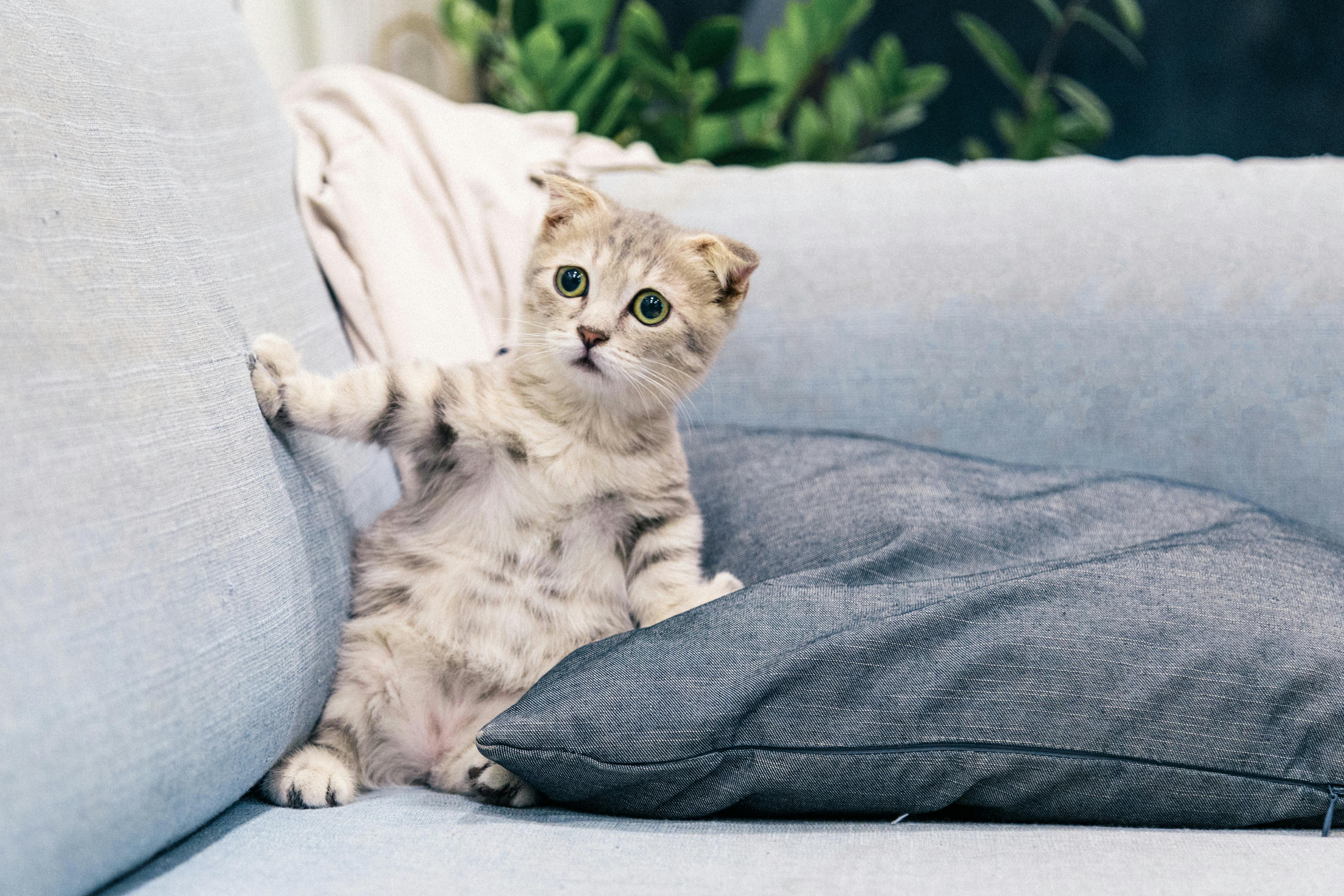
Cat urine is the hardest household odor to eliminate. That's not an exaggeration. The chemistry is genuinely difficult, and most cleaning approaches fail at the molecular level before you've even started.
Here's what's actually happening and how to fix it.
Why Cat Urine Smells Different (and Worse)
All urine contains urea and uric acid. But cat urine has higher concentrations of both, plus additional compounds from protein metabolism that are particularly volatile. The uric acid is the problem: it forms insoluble crystals as it dries that bond to carpet fibers at the microscopic level.
Those crystals re-activate when exposed to moisture. Humidity, steam, a water spill, your cleaning solution — anything that wets the area can wake up a uric acid deposit that was dormant. That's why a spot you thought was clean starts smelling again after it rains.
Standard cleaners, including vinegar, baking soda, and most commercial carpet sprays, address the surface. They don't break down uric acid crystals. The smell returns.
What You Need: Enzyme Cleaner That Contains Uricase
Uricase is the enzyme that catalyzes the breakdown of uric acid. It's the only chemistry that actually eliminates the crystalline deposits rather than masking them. Earthworm enzyme pet stain cleaner contains uricase along with protease, amylase, and lipase to address all organic components of cat urine.
If you've tried enzyme cleaner before and it didn't work, the issue is almost always application volume and dwell time, not the product itself. This guide covers both.
For Fresh Cat Urine: Act Immediately
- Blot — do not scrub. Use a clean cloth and press firmly to absorb as much liquid as possible. Scrubbing spreads the stain laterally and pushes it deeper into the carpet backing. Press, lift, and repeat.
- Don't add water yet. Adding water to fresh urine before enzyme treatment dilutes the uric acid concentration, which sounds helpful but actually spreads the affected area and makes the crystals harder to locate later.
- Apply enzyme cleaner generously. Cover the stained area plus a 2 to 3 inch border. Cat urine spreads when it hits carpet, so the visible stain is always smaller than the contaminated area. The cleaner needs to penetrate to the padding below — apply enough that the carpet feels thoroughly wet when you press down.
- Cover and wait. Lay a damp cloth over the treated area to slow evaporation. Leave for 30 to 60 minutes.
- Blot dry, then air dry. Press with a clean cloth to remove the solution. Don't rinse heavily. Let it fully air dry over the next several hours.
For Old Cat Urine Stains
Dried uric acid crystals need moisture to re-activate the enzymes. Before applying enzyme cleaner to a dried stain, wet the area with plain water — just enough to dampen the fibers. This softens the crystallized material and allows the enzymes to reach it.
Then apply enzyme cleaner and extend the dwell time. For stains that have been there for weeks or months, covering the area and leaving overnight gives the bacterial cultures the best chance to fully digest the deposits. Multiple applications are normal for old stains — sometimes three or four treatments over a week before the odor is fully gone.
Use a UV blacklight (about $10 at most hardware stores) to identify all the affected spots. Cat urine fluoresces under UV, so you can see exactly how far the contamination spread — which is often much larger than the visible stain.
The Padding Problem
For accidents that happened repeatedly in the same spot, or that weren't treated promptly, the uric acid has almost certainly reached the padding. Carpet padding is highly absorbent and holds odor far longer than carpet fibers. Surface treatment alone won't solve it.
You have two options: apply enough enzyme cleaner volume to saturate through to the padding level (and be patient with multiple treatments), or pull back the carpet to treat the padding directly and potentially replace it in severely contaminated areas. Replacing a section of padding is relatively inexpensive and immediately resolves the odor in cases where surface treatment isn't reaching the source.
What Not to Do
Don't use ammonia-based cleaners. Urine contains ammonia. Adding more ammonia doesn't neutralize the smell — it reinforces the signal that "this is a bathroom area." Your cat will return.
Don't use bleach. Bleach is a powerful oxidizer that can lighten carpet dyes and also kills the bacteria in enzyme cleaners. If you've bleached the area, rinse thoroughly and wait for it to fully dry before enzyme treatment.
Don't steam clean before enzyme treatment. Steam sets protein stains and deactivates enzymes. Do the enzyme treatment first, let it fully dry, then steam if needed for general cleaning.
Don't mask with fragrance sprays. Febreze and similar products are surfactant-based and cover odors temporarily. Your cat's nose can still detect the uric acid signal through any fragrance you apply.
When the Odor Won't Go Away
If you've done multiple enzyme treatments properly and the smell persists, the uric acid has reached the subfloor. This happens with older animals, repeated accidents, or any spot that went untreated for an extended period. Enzyme cleaner can reach the subfloor if applied in sufficient volume and given enough time, but wood subflooring that has been repeatedly soaked may need sanding or sealing to fully close off the odor.
For more on the science behind how enzyme cleaners work on uric acid, see this guide to pet urine enzyme cleaners. For best-in-class cat urine options specifically, this comparison guide covers the full landscape.
Enzyme Drain Cleaner vs. Chemical Drain Cleaner: Which One Should You Use?
Flip over a bottle of Drano. The active ingredient is sodium hydroxide. That's lye, the same caustic material historically used to make soap, tan leather, and process wood pulp. You're pouring it down your kitchen drain.
It works. No question. Lye dissolves organic material rapidly. But "it works" and "it's the right choice" are different questions, especially if you have a septic system, older pipes, or a slow drain you're trying to maintain rather than clear.
How Chemical Drain Cleaners Work
Chemical drain cleaners use either lye (sodium hydroxide) or sulfuric acid to break down the organic matter causing the clog. They work fast. Most take 15 to 30 minutes to clear a blockage, and that speed is their main selling point.
The reaction that does the work
Lye reacts with water and the fats in a clog, generating heat and turning grease into a soapy sludge that washes away. It's effective and genuinely fast. The trouble is that the same reaction that eats the clog doesn't stop at the clog.
Where the speed costs you
- Pipe damage. Lye generates heat as it reacts. In older metal pipes, repeated exposure corrodes the interior. In PVC, that heat can soften and warp the material over time. If you have an older home with cast iron drain lines, regular chemical use is a maintenance problem waiting to happen.
- Septic damage. Lye kills the bacteria in your septic tank that break down solid waste. One bottle can knock back the bacterial population you depend on, leading to sludge buildup, slow performance, and eventually a very expensive pump-out or system failure.
- Safety. Sodium hydroxide causes chemical burns on contact. Splashback during application is a real risk, and the fumes can irritate airways.
- It only treats today's clog. Chemical cleaner clears the immediate blockage but does nothing to prevent the next one. You're solving this month's problem and setting up next month's.
How Enzyme Drain Cleaner Works
Enzyme drain cleaners like Earthworm's formula introduce bacteria that colonize your drain lines and produce enzymes to digest hair, grease, soap scum, and food particles. They work more slowly, so you won't blast a full clog overnight, but they address the cause of buildup instead of just burning through it.
Why slower can mean better
Because the bacteria live in the pipe and keep eating between applications, the line stays cleaner over time rather than swinging between blocked and blasted. You're growing a maintenance crew, not setting off a one-time explosion.
The advantages that add up
- Pipe safe. No heat, no caustic chemistry. Works on PVC, copper, cast iron, galvanized steel, and every other pipe material without any risk of degradation.
- Septic safe. The bacteria support the ecosystem in your septic tank. They don't kill the good bacteria, they add to it.
- Preventive. Regular monthly use keeps colonies established in your drain lines, quietly breaking down buildup before it ever becomes a clog.
- Safe to handle. No fumes, no caustic risk, no burns. You can use it without gloves or special ventilation, which matters in a house with kids around.
When to Use Each
This isn't a binary choice. The two products have different jobs.
Use enzyme drain cleaner when:
- You have a septic system. This one isn't negotiable, since chemical cleaners damage septic.
- You're doing regular maintenance to prevent slowdowns.
- Your drain is slow but not fully blocked.
- You have older pipes and worry about chemical damage.
- You want a solution that keeps working between applications.
Consider a chemical cleaner or a snake when:
- The drain is completely blocked and you need it flowing today.
- You have a solid obstruction from non-organic material.
- The blockage is in a plastic trap in a newer home and you need immediate results.
For emergency clogs, a drain snake is actually the best first move. It physically pulls out the blockage with zero chemical risk. Chemical cleaner is the fallback if the snake can't reach. Enzyme cleaner then follows to clear the remaining organic residue and establish colonies that stop the problem from coming back.
Signs Your Drain Wants Maintenance, Not a Chemical Blast
Most drains tell you they're struggling well before they fully clog. Catch these early and you can stay in maintenance mode and skip the harsh stuff entirely:
- Water pools around your feet in the shower and drains a beat slower than it used to.
- A gurgle from the sink after the washing machine empties.
- A faint sour or sulfur smell drifting up from the kitchen drain.
- Two or more drains in the same part of the house slowing at once, which often points to buildup in a shared line.
None of these needs lye. They need a colony of bacteria working the pipe walls.
A Simple Monthly Drain Routine
Prevention beats rescue, and the routine is short.
Pick a consistent night
Treat drains when they'll sit undisturbed for hours, so the bacteria have time to settle in and feed. Right before bed is ideal. Tie it to something you already do monthly so you don't forget.
Treat the drains you actually use
Kitchen sink, bathroom sinks, tub, and shower are the usual suspects. The kitchen line takes the most grease, so don't skip it.
Don't run hot water right after
Heat works against the enzymes. Let the treatment sit overnight before the next big hot rinse, and you'll get the most out of each dose.
Cost Over Time
A bottle of chemical drain cleaner costs $5 to $8 and clears one clog. Most households reach for it several times a year as drains slow down again and again.
Monthly enzyme maintenance costs about the same per month but prevents most clogs from forming in the first place. Add up the repeat chemical spend plus the occasional plumber call for a drain that won't clear, and the math usually favors the enzyme routine.
For the full Earthworm drain cleaner line, including the commercial formula for high-volume use, monthly treatment is the recommended approach. Use it before your drains slow down, not after.
The Septic Case Is Especially Clear
If you have a septic system, the choice isn't really a debate. Chemical drain cleaners kill the beneficial bacteria your system depends on. A septic repair or replacement runs from $3,000 to $10,000 or more. Monthly enzyme maintenance costs a few dollars.
Enzyme drain cleaner is the only reasonable option for septic households. The Earthworm septic system treatment pairs with the drain cleaner to maintain bacterial levels throughout the drain-to-tank system. If you're sorting out which everyday products are safe to keep using, our guide to septic-safe cleaning products covers the rest of the house.
What About Vinegar, Baking Soda, and Hot Water?
Before anyone buys a product at all, the internet usually suggests the pantry. Here's where the home remedies land against both enzyme and chemical cleaners.
Baking soda and vinegar
The fizz looks impressive and it can freshen a drain a little, but the reaction is mostly spent on itself. It won't break down a real grease or hair clog, and the effect is short-lived. Treat it as a deodorizing rinse, not a fix.
Boiling water
A kettle of boiling water can loosen a fresh grease film in a metal pipe, and it's worth trying first on a slow kitchen drain. Skip it on PVC, though, where repeated boiling water can soften the joints, and know that it does nothing for hair or solid buildup.
Where this leaves you
Home remedies are fine for light maintenance and freshening. For actual buildup, you're back to either the fast-and-harsh chemical route or the slower-and-safer enzyme route, which is the real choice this article is about.
Drain Type Changes the Answer
The right approach depends a lot on which drain you're dealing with.
Kitchen sink
Kitchen lines clog with grease and food more than anything. Enzyme maintenance shines here because the bacteria keep eating the grease film that builds up between cleanings. This is the single best place to run a monthly treatment.
Bathroom sink, tub, and shower
These clog with hair bound up in soap scum. A drain snake or hair tool pulls the obvious blockage, and enzyme cleaner then clears the greasy film that hair sticks to, slowing how fast it rebuilds.
Main line
A slow main line that backs up across several fixtures at once is a bigger problem, often roots or a deep blockage. That's a job for a plumber with a powered auger or camera, not a bottle of anything. Enzyme maintenance helps afterward, once the line is clear.
When to Stop and Call a Plumber
Drain cleaners of any kind have limits. A few signs mean it's time to put the bottle down and pick up the phone:
- Several drains back up at the same time, which points to a shared line, not a single clog.
- Water or sewage comes up in a different fixture when you run one, a classic main-line symptom.
- A drain clogs again within days of clearing it, suggesting a deeper structural issue.
- You smell sewage indoors or see it pooling outside near a septic drain field.
Pouring more product into a structural problem wastes money and, with the chemical kind, can leave a pipe full of caustic liquid for a plumber to deal with. Enzyme maintenance is for keeping a healthy system healthy, which is exactly why catching buildup early beats fighting a crisis.
A Year in the Life of Two Drains
The clearest way to see the difference is to follow two identical kitchen drains for twelve months.
The chemical drain
It clogs in spring. A bottle of lye clears it fast. It clogs again in late summer because the grease film was never really gone, so another bottle goes down, and by winter the homeowner is calling a plumber about a pipe that keeps backing up. Three harsh treatments, one service call, and a line that's a little more corroded than it started.
The enzyme drain
It gets a monthly treatment that quietly digests the grease film before it can build. No dramatic clog, no plumber, no caustic liquid sitting in the trap. Twelve small doses instead of three big crises, and a pipe in the same shape it started the year in.
Neither drain had a worse starting point. The only variable was whether the homeowner treated buildup as maintenance or waited for a crisis.
Commercial and High-Volume Situations
Restaurants, salons, and rental properties push far more grease, hair, and food through their lines than a single household, and the math shifts further toward enzymes there.
Why volume favors maintenance
The more buildup a line sees, the faster a crisis returns after a chemical clear. Consistent enzyme dosing keeps high-traffic drains flowing without repeated harsh treatments that wear out plumbing a business can't easily shut down to replace.
Matching the formula to the load
Heavier settings benefit from a concentrated commercial-strength enzyme formula and a more frequent schedule than a home would use. The principle is the same, just dialed up to match the load.
How to Use Enzyme Cleaner on Carpet and Hardwood Floors (The Right Way)

The biggest mistake people make with enzyme cleaner isn't buying the wrong product. It's using the right product incorrectly.
Carpet and hardwood floors need different approaches. So do fresh stains and old ones. Getting the technique right is the difference between fully eliminating an odor and spending months wondering why the smell keeps coming back.
On Carpet: The Saturation Problem
Pet urine doesn't stay on top of carpet. It wicks down through the pile, through the primary backing, through the secondary backing, and into the padding below. By the time the carpet surface looks dry, the contamination is several layers deep.
A spray that just wets the carpet surface treats maybe 20% of the actual problem. The uric acid crystals sitting in the padding keep producing odor, your pet can still smell them, and you're wondering why the enzyme cleaner didn't work.
The fix: apply enough enzyme pet cleaner to saturate through to the padding level. You can estimate the right volume by matching roughly what the original accident deposited. For a typical dog accident, that's 6 to 8 ounces of cleaner applied to a 12-inch diameter area. It should feel genuinely wet when you press down with a cloth.
Carpet: Step by Step
- Blot fresh accidents first. Use a clean cloth and press down to absorb as much urine as possible. Don't scrub — scrubbing pushes the stain deeper and spreads it laterally. Just press, lift, and repeat until the cloth comes away mostly dry.
- Apply enzyme cleaner generously. Pour or spray to fully saturate the area, including a 2-inch border around the visible stain. The spread during application should exceed the visible stain size.
- Cover with a damp cloth. For dried stains or deep contamination, laying a damp cloth over the treated area slows evaporation and keeps the enzymes working longer. Leave for 30 minutes minimum, several hours for old stains.
- Blot, don't rinse. After the dwell time, blot the area with a clean cloth to remove the solution and the digested material. Avoid heavy rinsing, which dilutes and removes the active bacteria before they finish the job.
- Air dry completely. Don't use a fan or dehumidifier right away. Give the bacterial colonies a few more hours of activity as the area dries naturally. The smell may intensify briefly as the material is being digested — that's normal and fades as the bacteria finish.
On Hardwood: Different Rules
Wood absorbs liquid quickly, which is bad news for pet accidents and for overzealous cleaning. The approach on hardwood is more controlled than on carpet.
For sealed hardwood: blot the accident immediately. The finish provides some protection, but urine seeps into seams and can reach the wood below the finish line within minutes. After blotting, apply enzyme cleaner with a cloth or sponge rather than pouring. You want the treated area moist, not soaked. Leave for 10 to 15 minutes, then wipe clean with a damp cloth and dry immediately.
For unsealed or damaged hardwood: urine has already penetrated the wood. Surface treatment helps, but you may need to use a syringe to inject enzyme cleaner into the seams and cracks where the contamination has settled. Let it fully dry — the bacteria continue working as the wood dries. Repeat treatment over several days for heavily contaminated areas.
For old stains on hardwood that have darkened the wood surface: the darkening is typically tannin oxidation from contact with urine. Enzyme cleaner eliminates the odor, but may not reverse the discoloration. A wood oxalic acid treatment handles the stain, while enzyme cleaner handles the smell.
Old vs. Fresh Stains
Fresh stains are forgiving. The uric acid hasn't fully crystallized, the material is still in solution, and an enzyme application with adequate dwell time handles it in one treatment.
Old stains need pre-treatment. Before applying enzyme cleaner to a dried stain, wet the area with plain water first to soften the dried material. This gives the enzymes better access to the uric acid crystals. Then apply cleaner, cover, and allow several hours or overnight.
If you're treating a spot where a pet has returned multiple times over weeks or months, treat the area twice: once for the surface and once 24 hours later to catch what the bacteria didn't reach in the first pass.
Common Mistakes That Prevent It From Working
Using bleach or ammonia beforehand. These kill the bacteria in enzyme formulas. If you've used other cleaning products, rinse the area thoroughly with plain water and let it dry before applying enzyme cleaner.
Hot water rinsing. Enzymes are proteins and denature at high temperatures. Room temperature or cool water only.
Steam cleaning first. Steam sets certain stains and kills the enzymes you're about to apply. Do enzyme treatment first, let it fully dry, then steam clean if needed.
Too little product. The most common failure. Match the volume of cleaner to the estimated volume of urine deposited.
The Earthworm carpet and upholstery cleaner is formulated specifically for carpet and fabric, with a gentler surfactant profile than the pet stain formula. For deep machine cleaning, the deep clean extractor shampoo is designed for carpet cleaning machines and works on the same enzyme principle.
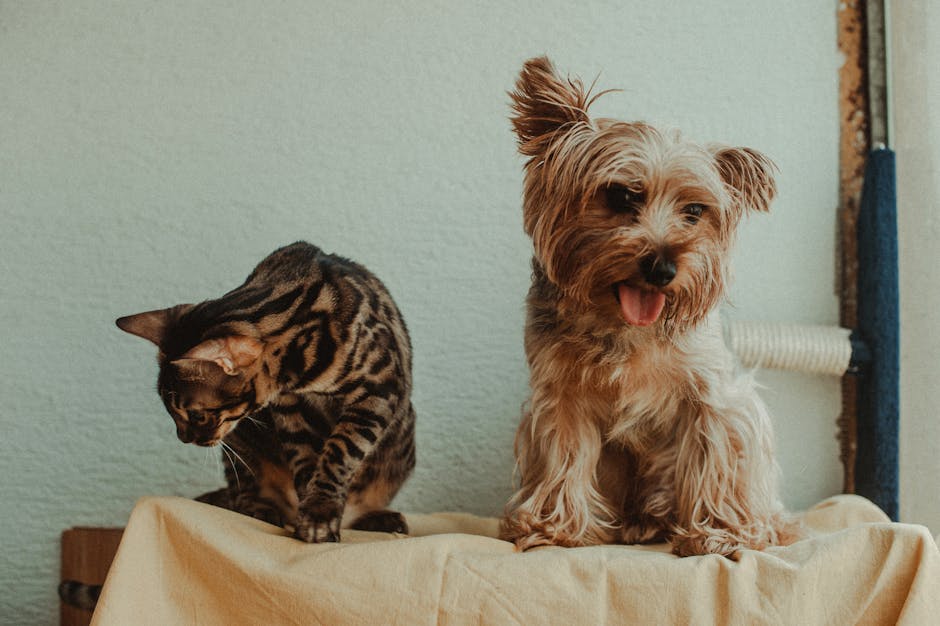
Clean and Green Pet Odor and Stain Remover Comparison
The environmentally conscious pet stain remover category has gotten crowded. Walk through any pet store or scroll Amazon and you'll see a dozen products all claiming to be "green," "plant-based," or "natural." Some of them are genuinely good. Most are marketing.
The meaningful distinction in this category isn't fragrance-free vs. scented. It's whether the product contains actual enzymes that break down urine at a molecular level or whether it's essentially a surfactant plus fragrance. That one difference determines whether the odor comes back.
How Pet Urine Odor Actually Works
Fresh pet urine has a relatively mild smell. The intense, persistent odor most people associate with cat and dog accidents comes from uric acid crystals that form as the urine dries. These crystals bond tightly to carpet fibers, wood, and fabric. They're water-resistant once dry, so they don't fully come out with soap and water.
Uric acid also has an important behavioral dimension: dogs and cats can detect uric acid residue at concentrations far below what humans can smell. This is a significant reason why pets return to the same spots repeatedly. Even after you've cleaned it and it smells fine to you, they can still detect where they've been before.
True enzyme cleaners contain beneficial bacteria that produce urease and other enzymes specifically designed to break down uric acid. The bacteria consume the crystals and convert them to compounds that evaporate. No crystals, no residue, no smell for the animal to detect.
Earthworm Enzyme Cleaner for Pets
Earthworm's enzyme cleaner for pet stains and odors is fragrance-free, which sets it apart from most of the market. For households with cats, fragrance-free matters because cats are more sensitive to essential oils and aromatic compounds than dogs. Some essential oil-based cleaners that are marketed as pet-safe can cause neurological issues in cats specifically.
The formula is formulated for pet and family safety, which means it meets rigorous third-party safety standards that evaluate actual ingredient lists rather than brand claims.
For heavy accidents or carpet that's been soaked through to the padding, apply liberally, let it sit 15 minutes minimum, and blot dry rather than rubbing. A second application the following day helps with set-in odors that have bonded deeply to the fibers.
Nature's Miracle
Nature's Miracle is probably the most recognized name in enzyme-based pet cleaners and has been on the market since the 1980s. It works reasonably well and is widely available. The main criticism is the fragrance. Nature's Miracle uses a strong citrus or floral scent depending on the product line, which some animals find aversive and which can trigger sensitivity reactions in people who are scent-sensitive.
For households with cats particularly, the citrus-scented formulas can be off-putting to the animal in ways that aren't obvious from the human side. A cat may start avoiding an area that's been cleaned with a strong citrus cleaner, which sounds like success but is really just displacement.
Rocco & Roxie Professional Strength
Rocco & Roxie is a legitimate enzyme cleaner with strong reviews. It contains enzymatic bacteria similar to what Earthworm uses and does a good job on set-in stains. The main thing to note is that it's primarily distributed through Amazon and isn't available in most retail stores, so if you run out mid-cleaning project you can't grab it locally. The scent is lighter than Nature's Miracle.
Angry Orange
Angry Orange is a concentrated citrus oil-based deodorizer. It's not an enzyme cleaner. It works by masking odors with a very strong orange scent. It's effective at covering smells temporarily but doesn't break down uric acid. The smell often returns within days because the underlying odor compounds are still present. Worth noting: concentrated citrus oil is toxic to cats.
How to actually use an environmentally conscious pet cleaner
Enzyme cleaners reward patience and volume. The two most common reasons they fail are under-application (not enough product on enough area) and under-waiting (not enough dwell time). Both are fixable.
For fresh accidents
- Blot first, do not rub. Press absorbent paper towels or a clean white cloth into the spot, stand on it for 15 to 30 seconds, lift, and repeat until almost no moisture transfers.
- Spray the affected area plus 2 inches of clean fabric around it. Urine wicks sideways underneath the visible stain. Treating just what you can see misses the diffusion zone.
- Keep the area damp for 15 to 30 minutes. Enzymes work in a wet environment. A light damp towel over the spot slows evaporation and extends dwell time.
- Blot, air dry, done. Fresh accidents typically resolve in one application when treated correctly.
For set-in stains (days to weeks old)
- Rewet the area. Dried uric acid crystals need moisture to become accessible to the enzymes. Spray plain water first, let sit 2 minutes, then apply the enzyme cleaner.
- Use double the volume. Flood the area. The enzymes have to reach every crystal.
- Extend dwell time to 30 minutes or more. Cover with a damp towel to keep the spot wet throughout.
- Repeat for 2 or 3 consecutive nights. Old stains rarely resolve in one pass. Each application chips away at the crystal structure.
- Check carpet padding. If the smell persists after 3 applications, the problem is below the surface. Lift the carpet at the nearest seam and treat the pad directly.
Product comparison: plant-based pet cleaners
| Product | Enzyme-based | Fragrance | Safe for cats | Works on set-in stains |
|---|---|---|---|---|
| Earthworm Pet Stain & Odor Eliminator | Yes | Fragrance-free | Yes | Yes (with repeat) |
| Nature's Miracle Advanced | Yes | Citrus or floral | Mostly (avoid citrus near cats) | Yes |
| Rocco & Roxie Professional | Yes | Light | Yes | Yes |
| Happy Place Pet Stain Eliminator | No (plant surfactants) | Citrus | Caution with citrus | Limited |
| Angry Orange | No (deodorizer) | Strong citrus | No (citrus oil toxic to cats) | No (masks only) |
| Seventh Generation Pet Stain Remover | No (plant surfactants) | Light | Yes | Limited |
What "environmentally conscious" actually means here
The label is loosely defined in the US, which is why so many products can legitimately claim it. In the pet cleaning category, it meaningfully refers to:
- Plant-derived or bacterial active ingredients rather than petroleum-based surfactants and caustic chemicals.
- No phosphates, chlorine, ammonia, or synthetic dyes, which cause water pollution and aquatic toxicity.
- Non-toxic to children and pets at label-directed use.
- Packaging made with recycled content or recyclable plastic.
- No animal testing.
These are the specifics worth looking for on a label. Marketing language about being "green" or "natural" without these specific properties is just vocabulary.
Cat-specific considerations
Cats need a different approach than dogs because of two factors: cat urine has the highest uric acid concentration of common pet urines, and cats are more sensitive to essential oils.
- Use fragrance-free formulas only. Essential oils (citrus, pine, tea tree, cinnamon, eucalyptus, lavender) can cause liver toxicity in cats at surprisingly low exposures. Fragrance-free enzyme cleaners remove the risk entirely.
- Expect longer dwell times. The denser crystal structure in cat urine needs sustained enzymatic contact. Plan for 30 to 45 minutes per application instead of 15.
- Plan multiple applications. Two or three sessions over consecutive nights is standard for cat accident spots, even when fresh.
- Watch for marking behavior. If your cat keeps returning to the same spot, the underlying chemical signal has to be fully eliminated before the behavior stops. Partial cleaning does not break the pattern.
When to escalate beyond cleaner alone
Enzyme cleaners handle most accident sites. Some situations need more intervention:
- Contamination has soaked into carpet padding. Pull the carpet at the nearest seam, treat the pad directly with enzyme cleaner, let it dry, then replace the carpet. For heavy contamination, replacing the pad section is faster than repeat treatment.
- Hardwood floor staining. Enzyme treatment stops the odor, but discoloration through the finish usually requires refinishing those boards.
- Drywall contamination at baseboards. Urine that wicked up into drywall behind baseboards is difficult to treat from the surface. Cutting out the affected section and replacing is often the cleanest fix.
- HVAC distribution. If odor seems to spread to rooms where no accident happened, contamination may be in air ducts. Professional duct cleaning handles it.
Making the Right Choice
For surface-level odor masking in a dog-only household, several products work. For genuine odor elimination that holds up over time, especially with cats, the fragrance-free enzyme approach is more reliable. The combination of actual enzyme activity and no competing fragrance lets the cleaner work the way it's supposed to and gives you a way to verify it actually worked.
If you can still smell the spot after it dries, the product didn't finish the job. Apply again with more dwell time. If three applications don't eliminate a smell, the accident likely soaked through the carpet into the padding, which requires extraction cleaning or carpet replacement.
See Earthworm's full range of pet enzyme cleaners.
For cat owners specifically, we've written a detailed guide covering the chemistry of cat urine and what to look for in an enzyme cleaner for cat urine.
What Is an Enzyme Cleaner? (And Why Enzymes Beat Chemicals for Organic Stains)

You flip the bottle over. The label says "enzymatic." The back panel mentions "natural bacteria." And you're standing there in the cleaning aisle wondering what any of that actually means for the cat stain on your stairs.
Fair question. Most people have never been told what an enzyme cleaner really is, only that it's supposed to work better on pet messes. So here's the plain version, then the part that actually matters when you're choosing one.
Enzymes are proteins. Your own body makes thousands of them every second to digest lunch and repair tissue. Certain bacteria make them too, and the ones that interest us break apart organic gunk: urine, grease, food, blood. An enzyme cleaner bottles those bacteria and the enzymes they produce, then puts them to work on the messes around your house. That's it. No mystery chemistry, just biology doing what biology already does.
Why the cleaner under your sink probably isn't enough
Think about what a normal spray bottle does. Soaps and detergents (surfactants, if you want the technical word) wrap around dirt and lift it so you can wipe or rinse it away. Bleach and peroxide do something else. They change the color of a stain so your eye stops seeing it.
Both tricks work on the surface. Neither one removes the thing underneath. Wipe up a dog accident with a surfactant cleaner and you've moved most of it. But the uric acid crystals that soaked into the carpet padding? Still there. Bleach the spot and it looks gone. The smell comes back in a week anyway, usually on a humid day, because the material making that smell never left.
This is the frustration almost everyone hits. The floor looks clean. The room still smells like something happened.
What enzyme cleaners do instead
Enzyme cleaners don't move the mess or hide it. They eat it.
The bacteria in the formula treat your stain as food. Their enzymes snap the molecular bonds holding the organic material together, breaking it down into water and carbon dioxide that simply evaporate. When the source is gone, the odor has nothing left to come from.
Different enzymes handle different messes, which is why a good formula carries more than one:
- Protease goes after proteins: blood, egg, body fluids, meat juice.
- Lipase tackles fats and oils, from bacon grease to the skin oils ground into a couch cushion.
- Amylase breaks down starches and sugars, the stuff in most food spills.
- Cellulase works on plant fibers and certain fabric stains.
- Uricase targets uric acid, the specific culprit behind that lingering pet-urine smell.
Pet urine is a cocktail of several of these at once, which is the whole reason a single-enzyme product disappoints people. Earthworm's Pet Stain & Odor Eliminator packs protease, amylase, lipase, and cellulase together with the live bacteria that keep producing them, so the entire mess gets handled instead of one slice of it.
So what does "natural bacteria" mean on the label?
It means the bottle holds living cultures, not just enzymes squeezed out and packaged on their own. The difference is bigger than it sounds.
Extracted enzymes are a one-shot deal. They react, they're spent, done. Live bacteria keep going. As long as there's organic material to eat, they make fresh enzymes and multiply, working for hours after you walk away. That's also why dwell time matters so much with these products, and why rushing them is the most common mistake we see.
How to actually read an enzyme cleaner label
Marketing language is cheap. "Enzyme-powered" shows up on plenty of bottles that contain almost none. Here's how to tell the real thing from the sticker.
Look for named enzymes or bacterial cultures
A genuine formula will list enzymes (protease, lipase, and the rest) or "live bacterial cultures" somewhere on the panel. If the only nod to enzymes is a swoosh on the front and the ingredients read like a standard detergent, treat it as a standard detergent.
Check what it's formulated for
Enzymes are specialists. A pet formula is tuned for uric acid and protein. A drain formula like the Earthworm Drain Cleaner is built to chew through hair, grease, and soap scum inside a pipe. Same underlying science, different blends. Using the right one beats buying a vague "all-purpose enzyme" that's mediocre at everything.
Watch for fragrance and additives
Heavy perfumes and harsh co-ingredients can interfere with the bacteria or just bother sensitive noses and pets. If you or an animal in the house reacts to scent, a fragrance-free option is worth seeking out.
How to use one correctly (this is where most people slip)
The product can be perfect and still flop if you treat it like a regular spray. The rhythm is different.
Blot first, don't scrub
If the spill is fresh, soak up as much as you can with a towel before anything else. Scrubbing just grinds it deeper. Press, lift, repeat.
Saturate, don't mist
Enzymes have to physically reach the material, which on carpet means going down to the padding where urine pools. A light surface spray never gets there. Soak the spot generously, past the edges of what you can see.
Give it real time
Here's the part nobody likes. A fresh surface stain might need 10 to 15 minutes. A dried, set-in mess that's been there for weeks can need several hours, sometimes an overnight sit under a damp towel so it doesn't dry out. The bacteria are eating on their own clock, and you can't speed up biology by wiping early.
Let it air dry
Don't rinse it away the second the timer goes off. Let the spot dry on its own so the cultures keep working the whole time. Then check it. Old, deep stains sometimes want a second round, and that's normal, not a sign the product failed.
Enzyme cleaner versus the usual home remedies
People ask how this stacks up against the stuff already in the pantry. Quick rundown.
Vinegar and baking soda
Vinegar masks some odor and baking soda absorbs a little moisture, and together they fizz, which feels productive. But neither breaks down uric acid. They're a reasonable stopgap, not a fix. We get into the details over on our guide to cleaning drains with vinegar, where the same limits show up.
Bleach
Bleach whitens and disinfects, no argument. On organic odor it's the wrong tool, because it changes color without removing the source. Worse, bleach kills the bacteria in an enzyme product, so the two cancel each other out if you layer them.
Ammonia
Skip ammonia on pet urine entirely. Urine already contains ammonia compounds, so to a dog or cat the cleaned spot still smells like a bathroom, which invites a repeat visit to the exact same corner.
Where enzyme cleaners earn their keep
Pet stains on carpet, upholstery, and hard floors are the headline use, but the same biology solves a lot of household problems:
- Slow or smelly drains, where the Earthworm drain cleaner digests the hair and grease clogging the pipe.
- Septic tanks, where a monthly dose of beneficial bacteria keeps solids breaking down the way they should.
- Carpet and upholstery in general: food spills, mystery spots, the slow build-up of life with kids.
- Garbage disposals that have started to smell off from trapped food.
- Mildew stains on tile and grout.
The limits, because they're real
Enzyme cleaners only touch organic, carbon-based messes. Rust, hard-water scale, dried paint, ink, synthetic dye: none of those are food to a bacterium, so the product won't budge them.
Heat is the other catch. High temperatures denature enzymes, which is a fancy way of saying they fall apart and quit. Use cool or room-temperature water, and hold off on steam cleaning a spot until after the enzymes have done their job.
And mind what came before. If you've already hit an area with bleach or a strong disinfectant, rinse it well and let it dry before the enzyme cleaner goes down, or you'll just kill the cultures on contact.
Used the right way, though, this is the most reliable tool there is for organic stains and the smells that ride along with them. The whole Earthworm lineup runs on this one idea, carried into every room where biology tends to make a mess. The cat-urine problem is the toughest of the bunch, and we walk through it step by step in our guide to the best enzyme cleaner for cat urine.
Enzyme Cleaner Myths Worth Ignoring
A few stubborn ideas float around about these products, and they trip people up. Let's clear the big ones.
"More product works faster"
Drowning a stain in three times the recommended amount doesn't speed anything up. The bacteria can only eat so fast. Saturate the spot fully, sure, but past that point you're just using more product to get the same result on the same clock.
"Mix it with bleach for extra power"
This one backfires completely. Bleach kills the bacteria that make an enzyme cleaner work. Combine the two and you've spent money on a bottle of dead cultures. Pick one tool for the job and let it finish before reaching for anything else.
"If it doesn't work in five minutes, it's broken"
Five minutes handles a fresh surface spill. A urine stain that dried into the carpet pad weeks ago is a different job, and it can take hours. Slow isn't broken. Slow is the bacteria doing the thorough version of the work.
Storing It So It Actually Lasts
Enzyme cleaners contain living cultures, and how you store the bottle affects how well it performs months from now.
Keep it cool, never frozen
Room temperature is the sweet spot. A garage that swings from freezing in January to baking in July is the worst place for it. Heat and hard freezes both stress the bacteria, so a closet or under-sink cabinet inside the house is the better home for the bottle.
Check the date and the smell
Most enzyme cleaners stay effective for one to two years sealed. An expired or heat-damaged bottle often smells sharply sour or simply stops doing much. If a product that used to work suddenly does nothing, the cultures may be past their prime rather than the stain being unbeatable.
Matching the Cleaner to the Surface
The same enzyme formula behaves a little differently depending on what you're treating, so a quick surface-by-surface note helps.
Carpet and rugs
This is the classic case. The trick is reaching the backing and pad underneath, which means soaking well past the surface. Press a clean towel down afterward only once the dwell time is up.
Hardwood and sealed floors
Enzyme cleaners are safe on sealed wood, but standing liquid is the enemy of any wood floor. Apply enough to cover the spot, give it time, then wipe rather than letting a puddle sit for hours.
Upholstery and mattresses
Test a hidden patch first for colorfastness, then treat the same way you would carpet. For a mattress, a fan pointed at the spot afterward speeds drying so moisture doesn't linger in the foam.
A Quick Buyer's Checklist
If you're standing in the aisle or scrolling a product page, run through this short list before you buy:
- Does it name specific enzymes or live bacterial cultures, rather than just printing "enzyme" on the front?
- Is it formulated for your actual problem, whether that's pet urine, drains, or septic?
- Is it fragrance-free if you have cats or anyone scent-sensitive at home?
- Does the size match how often you'll use it, so you're not paying a premium per ounce for a tiny bottle?
Tick those boxes and you've got a product that will actually do what the label promises.
What Actually Happens in the First 24 Hours
It helps to picture the timeline, because the work is invisible and that's what makes people doubt it.
Minutes 0 to 15
The bacteria wake up in the moisture and start feeding on the surface layer of the mess. Fresh spills are mostly handled in this window.
Hours 1 to 6
Cultures multiply and push deeper into carpet fibers or the cracks of a hard surface, reaching material a surface wipe never touched. This is where set-in stains finally start to break.
Hours 6 to 24
As long as the area stays damp, the colony keeps eating until the food source runs out. Once the organic material is gone, the bacteria simply run out of fuel and go dormant. That's why the smell doesn't creep back the way it does after a surface clean.
Enzyme, Oxygen, and Probiotic Cleaners: Sorting the Labels
The shelf is crowded with similar-sounding claims. A quick map keeps you from overpaying for the wrong thing.
Oxygen cleaners
These use hydrogen peroxide to lift and brighten. Good on visible stains, but they work by oxidizing color, so odor often returns once the bubbles are gone.
Probiotic cleaners
This is mostly a marketing term for the same live-bacteria approach as enzyme cleaners. Read the ingredients rather than the buzzword, and judge it on whether real cultures and enzymes are listed.
True enzyme cleaners
These name their enzymes and bacteria and are built to digest organic material at the source. For pet messes and drains, this is the category that removes the problem instead of resetting the clock on it.
Nature's Miracle vs. Earthworm: The Honest Comparison Pet Owners Need
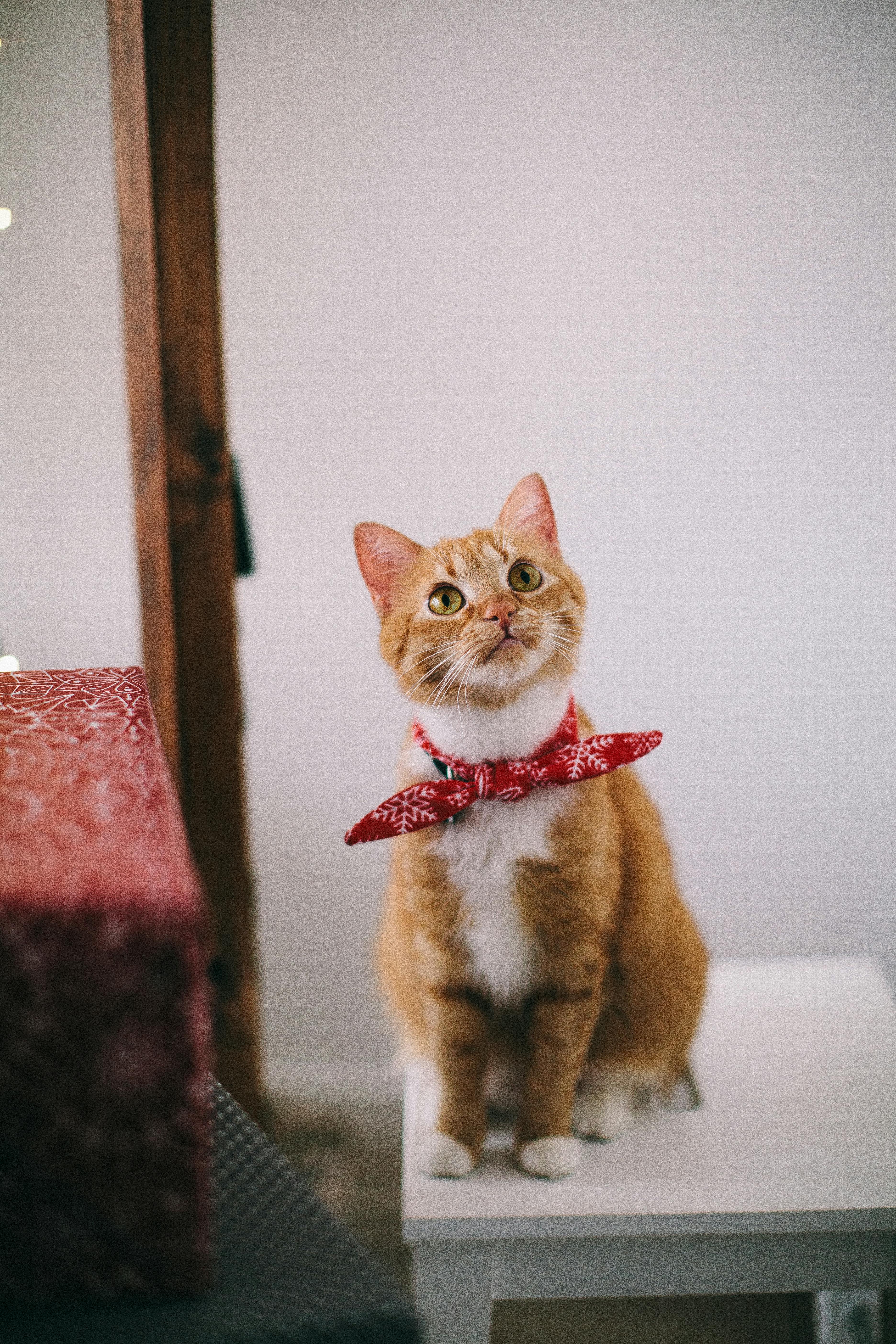
Nature's Miracle is the most recognized enzyme cleaner in the pet aisle. That's partly because it's genuinely decent, and partly because it's been on shelves since 1981 and has a major marketing budget. But being the biggest brand doesn't mean being the best product.
If you're shopping for an enzyme cleaner and wondering how Nature's Miracle stacks up against Earthworm, here's an honest look.
The Core Formula Difference
Nature's Miracle original formula uses enzymes plus a significant fragrance component. That fragrance is doing double duty: it masks any residual odor during and after the enzyme treatment, and it gives you sensory confirmation that something happened.
Earthworm is fragrance-free by design. The enzyme formula is the whole product. There's nothing masking what's happening, which means you know the enzymes did the job when the smell is actually gone, not just covered up.
This matters more than it sounds. Fragrances in cleaning products can irritate cats and dogs, whose noses are exponentially more sensitive than ours. Some animals are specifically bothered by citrus, mint, or "fresh linen" scents. A cleaner that temporarily smells clean to you might still signal "there's something here" to your pet.
Ingredients: What's Actually in Each
Nature's Miracle original lists: water, isopropanol, natural enzymes, fragrance, coloring. That isopropanol (rubbing alcohol) is a solvent that can damage certain carpet fibers and finishes with repeated use.
Earthworm's formula: water, plant-derived enzyme complex (protease, amylase, lipase, cellulase), non-ionic surfactant. No alcohol, no synthetic fragrance, no dyes. The shorter the ingredient list, the fewer things that can bother a sensitive pet or leave residue in your carpet.
How They Smell After You're Done
This is where the two products diverge most clearly in practice. Nature's Miracle leaves behind a light fragrance smell for a day or two. Once that fades, you're left with either clean carpet (if the enzymes fully worked) or a subtle pet smell (if they didn't). The masking makes it hard to know which outcome you got.
With Earthworm, the result is no smell, or still-smell. It's easier to tell when you need a second application because there's nothing obscuring the result. People who've used both products often describe the difference as "cleaner" with Earthworm, meaning the absence of both the pet smell and the cleaner smell.
Price Per Ounce
Nature's Miracle 32oz: typically $12 to $14 retail.
Earthworm 32oz: typically $12 to $14 retail.
Comparable. Where Earthworm has an advantage is the larger refill size, which brings the cost per ounce down substantially for households that go through product regularly. Multi-pet households especially benefit from buying in bulk.
How to Use Either Brand the Right Way
Brand matters less than technique. The single biggest reason people decide an enzyme cleaner "doesn't work" is that they used it like a regular spray. It isn't one. Here's the rhythm that gets results from either bottle.
Blot before you treat
If the accident is fresh, soak up everything you can with a towel first. Press down, lift, repeat. Scrubbing just drives the mess deeper into the fibers and spreads it wider.
Saturate down to the source
Urine sinks. On carpet it pools in the backing and the pad underneath, which is exactly where a light surface mist never reaches. Soak the spot generously, going a little past the edges of what you can see, so the enzymes actually meet the material they're supposed to eat.
Give it the full dwell time
A fresh surface stain might clear in 10 to 15 minutes. A dried, set-in spot can need several hours, or an overnight sit under a damp towel so it stays moist. This is true of every enzyme product on the shelf, Nature's Miracle included. The bacteria work on their own clock.
Let it air dry
Don't blot it away the moment the timer beeps. Let the area dry on its own so the cultures keep working the whole time. For a full walk-through, our guide to the Earthworm pet stain formula covers the same steps in detail.
Common Mistakes That Make Either Brand "Fail"
When an enzyme cleaner disappoints, it's usually one of these, not the product:
Not enough product
A few sprays on a stain that soaked an entire carpet section will never be enough. Underdosing is the most common error by far.
Rinsing or wiping too soon
Pull the moisture out early and you stop the enzymes mid-job. Patience is doing the heavy lifting here.
Cleaning with something else first
Bleach, vinegar, and ammonia all interfere with enzyme activity. If you've already hit the spot with another cleaner, rinse it well with plain water and let it dry before the enzyme cleaner goes down.
Using hot water or steam too early
Heat denatures enzymes, which is a fancy way of saying it kills them. Save the steam cleaner for after the enzymes have done their work, and use cool water on the first pass.
Cat Urine: Where Brand Choice Matters Most
Dog accidents are forgiving. Cat urine is not. The uric acid crystals in cat pee are stubborn, and cats will return to a spot that still smells faintly like a bathroom to their nose, even if it smells clean to yours. That's the exact problem with a heavily fragranced cleaner: the masking scent fools you, not the cat.
For that reason, a fragrance-free formula tends to be the safer bet for litter accidents and territorial marking. We go deep on the technique and product choices in our guide to the best enzyme cleaner for cat urine.
What Each Is Better For
Nature's Miracle is fine for occasional use and households where fragrance isn't a concern. If you have one dog who rarely has accidents, the original formula will do the job.
Earthworm makes more sense for:
- Cat households, since cats are more sensitive to fragrance than dogs
- Anyone with fragrance allergies or sensitivities
- Households with very young children or immune-compromised family members
- Persistent odor problems where you need to verify the smell is actually gone, not masked
- Regular high-volume use where cost per ounce matters
The Earthworm pet stain formula is also the better choice if you've had repeated failures with Nature's Miracle on a specific spot. Enzyme cleaners aren't magic, but the lack of fragrance masking makes troubleshooting easier.
What About Nature's Miracle Advanced?
The Advanced formula has a higher enzyme concentration and slightly different surfactant mix. It's noticeably more effective on set-in stains than the original. But it also has stronger fragrance. The same tradeoffs apply, just at a higher level of both enzyme power and scent intensity.
Switching From Nature's Miracle: What to Expect
If you're moving over from Nature's Miracle, two things will feel different. First, there's no perfume cloud after you treat a spot, which throws some people at first because they associate that scent with "clean." Second, you'll know sooner whether a stain needs a second round, because nothing is covering the result. Treat the quieter experience as a feature. You're getting honest feedback from your own nose.
The Verdict
If you're comparing on ingredient quality and transparency, Earthworm is the cleaner option. Literally: fewer additives, no alcohol, no synthetic fragrance.
If you're replacing a bottle of Nature's Miracle that's been working okay for surface stains, either product does the job. If you're dealing with a stubborn cat urine problem, a multi-pet household, or someone in your home with sensitivities, Earthworm is the switch worth making.
For more on how to use enzyme cleaner effectively regardless of brand, this guide covers the application technique most people get wrong.
Beyond Pet Stains: Where Each Brand Stops
One quiet difference between the two brands is range. Nature's Miracle lives almost entirely in the pet aisle. Earthworm is built as a whole-home enzyme line, which matters if you'd rather buy into one system than juggle a different bottle for every room.
Drains and pipes
The same bacterial approach that clears pet odor also digests the hair and grease building up in your drains. Earthworm makes a dedicated drain cleaner for exactly that. Nature's Miracle doesn't really play here.
Septic systems
If you're on septic, an enzyme line that includes tank treatment keeps the whole system healthy from the drain down. That's another spot where a pet-only brand leaves you shopping elsewhere.
The Real Cost Picture for a Multi-Pet Home
Price per bottle looks similar between the two. The gap shows up over a year of heavy use.
Say you've got two dogs and a cat, and accidents happen weekly. At that pace you're refilling often, and the larger refill sizes drop the cost per ounce in a way the standard pet-store bottle can't match. Across a year, buying in bulk and treating consistently usually comes out cheaper than grabbing a fresh small bottle every few weeks, and you're far less likely to run out mid-cleanup.
There's a hidden cost too. A cleaner that masks odor instead of removing it leads to repeat treatments on the same spot, which quietly doubles what you spend there. Getting it gone the first time is the cheaper path.
Switching Your Whole Routine, Room by Room
If the comparison has you leaning toward making a change, you don't have to do it all at once. Most people move over gradually.
Start with the problem spot
Pick the stain or odor that's been bugging you most and treat just that first. A clear win on a stubborn spot is the fastest way to know the switch is worth it.
Replace bottles as they empty
Rather than tossing what you have, swap each product for an enzyme equivalent as it runs out. Over a couple of months the cabinet turns over on its own without a big upfront spend.
Add maintenance, not just cleanup
The biggest mindset shift is treating enzyme products as upkeep rather than emergency response. A monthly pass on drains and a quick treatment of high-traffic pet areas keeps problems from building up in the first place.
What the Common Complaints About Each Brand Really Mean
Scroll the reviews for either product and the same gripes repeat. Most trace back to technique, not the bottle.
"It didn't get rid of the smell"
Usually a dwell-time or saturation problem on a set-in stain. With a fragranced product like Nature's Miracle, the perfume can also fade and reveal an odor that was masked rather than removed, which reads as failure later.
"It left a residue"
Often over-application. Both brands work better with a full soak and air-dry than with repeated heavy sprays that leave more behind than the enzymes can clear.
"Worked great the first time, not the second"
An older or heat-stored bottle loses potency as the cultures degrade. Storage and shelf life matter more than people expect with any live-culture product.
A Side-by-Side Scenario
Picture the same set-in cat stain treated two ways. With the fragranced product, the room smells clean for a day, then the faint ammonia note returns on a humid afternoon, and the cat re-marks the spot it can still smell. With the fragrance-free approach, there's no perfume to fade, so you either confirm the spot is truly clean or you know immediately it needs a second pass. The second path is slower to feel satisfying and faster to actually solve the problem, which is the whole trade in one example.
Pet Urine Enzyme Cleaner: How It Really Works
You've blotted the stain. You used the baking soda trick. You tried the vinegar spray someone on Reddit swore by. Three days later, your dog or cat sniffs the exact same corner and squats again.
This isn't a cleaning problem. It's a chemistry problem. And pet urine enzyme cleaner is the chemical solution.
What's Actually in Pet Urine
Fresh urine is mostly water, with urea, creatinine, and various other compounds. The urea breaks down quickly into ammonia, which is why fresh accidents smell sharp and acrid. But the real troublemaker is uric acid.
Uric acid forms crystals as it dries. Those crystals bond to carpet fibers, grout, wood grain, and fabric. They're not water-soluble. Soap doesn't touch them. Vinegar doesn't break them down. Baking soda absorbs the moisture but leaves the crystals behind, which is why the smell comes back.
There's one more problem: pets can smell uric acid at concentrations far below what we can detect. That's why animals return to spots that smell "clean" to us. The signal is still there.
What Pet Urine Enzyme Cleaner Actually Does
Enzyme cleaners work completely differently from every other cleaning product you've used. They don't mask odors. They don't bind to molecules and carry them away. They digest the organic compounds that cause the smell.
The active components are bacteria that produce specific enzymes:
- Uricase breaks down uric acid directly, eliminating the crystals that cause lingering smell
- Protease digests proteins in the urine
- Urease converts urea to simpler compounds the bacteria can consume
When you apply a pet urine enzyme cleaner like Earthworm, you're introducing living bacteria that eat the mess. Once the organic material is gone, the bacteria have nothing left to consume and die off. No food source, no bacteria, no smell.
That's why it works when nothing else does. It removes the target instead of hiding it.
Why Application Matters as Much as the Product
Most enzyme cleaner failures come down to application, not product quality.
Use enough. The most common mistake is treating urine like a surface stain. Urine soaks down through carpet pile, through the backing, and into the padding. If your spray just wets the top of the carpet, the uric acid crystals several layers down are untouched. Saturate the area. Really saturate it.
Let it dwell. Enzymes need time. A 5-minute spray-and-blot isn't enough for set-in stains. Apply the cleaner, cover with a damp cloth to slow evaporation, and let it sit for 30 minutes to a few hours. Old stains may need an overnight treatment.
Don't use heat. Hot water or steam deactivates enzymes. Use room-temperature or cool water when diluting or rinsing. This is why enzyme cleaners are incompatible with steam cleaning on the first pass.
Don't layer products. Bleach, ammonia-based cleaners, and oxidizing agents all kill enzymes. If you've already treated a spot with something else, rinse thoroughly before applying enzyme cleaner.
Fresh Stains vs. Old Stains
Fresh accidents are much easier. Blot up as much liquid as possible first. Don't scrub — scrubbing spreads the stain and pushes it deeper into the fibers. Then saturate with enzyme cleaner and let it work.
Old stains require more patience. The uric acid crystals have had time to bond and spread. You'll want to wet the area first to soften the dried material, then apply enzyme cleaner generously. Some stains need two or three applications over several days before the smell is fully gone.
For serious cases, like a spot where a cat has been going repeatedly for months, you may need to address the padding and even the subfloor. Enzyme cleaner can reach these layers if you apply enough volume, but sometimes replacement is the only option for truly saturated materials.
Earthworm vs. Other Enzyme Cleaners
Not all enzyme cleaners are equal. Most products on the market mix enzymes with surfactants, fragrance, and chemical solvents. The surfactants do the visual cleaning, the fragrance masks remaining odors, and the enzymes are often a minor ingredient.
Earthworm's pet stain formula is fragrance-free and doesn't rely on masking. The enzyme concentration is the point of the product, not a marketing footnote. It's also safe for cats, dogs, and kids once dried, which matters if you have animals that immediately return to freshly cleaned areas.
If you want to see the full comparison between Earthworm and Nature's Miracle, we've done a side-by-side breakdown here.
When Enzyme Cleaner Isn't Enough
Enzyme cleaner handles organic stains. It won't remove mineral deposits, dye stains, or physical damage. If a stain has changed the color of your carpet fibers rather than just sitting on top, you're dealing with dye from the urine, which is a different problem.
Carpet that has been repeatedly soaked over months or years may have structural damage, and the subfloor below may be so saturated that surface treatment isn't practical. In those cases, professional extraction followed by enzyme treatment, or replacement, is the realistic path.
For regular pet households, though, enzyme cleaner used consistently handles the job. Treat fresh accidents within the first few hours. Keep a bottle accessible. The smell that's been haunting that one corner? You can get rid of it for good.
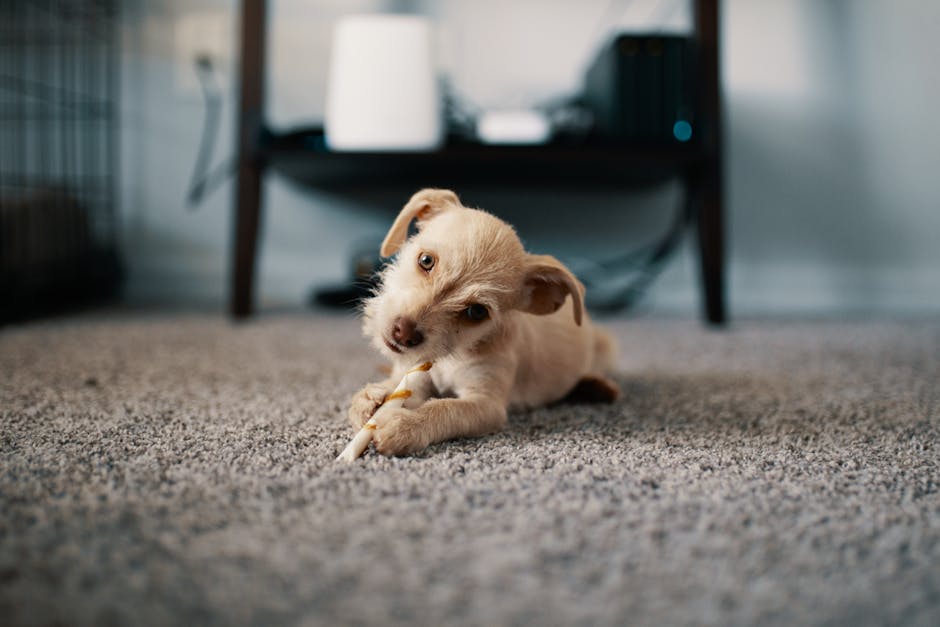
Enzyme Cleaner for Dog Urine: What Actually Works (and Why)
Dog urine accidents are a fact of life for most pet owners. The problem isn't the accident itself, it's what happens afterward. Dog urine soaks into carpet padding, absorbs into grout lines, gets into hardwood grain. Standard cleaning hits the surface. The compounds causing the odor stay embedded, and when humidity rises or the weather changes, the smell comes back.
Enzyme cleaners are the only class of products that actually break down those compounds. But not all enzyme cleaners are equal, and there are specific things that determine whether a product works for dog urine or just temporarily masks it.
What Makes Dog Urine Hard to Remove
Dog urine contains three compounds responsible for persistent odor and staining: urea, uric acid, and urochrome. Urea is the most abundant and breaks down relatively easily. Urochrome is the pigment that causes yellow staining. Uric acid is the compound that causes most of the long-term odor problems.
Uric acid crystallizes as urine dries, bonding to carpet fibers and porous surfaces. When you use a regular cleaner, even a good one, you're cleaning the urea and surface debris. The uric acid crystals stay locked in the material. Heat and moisture reactivate them, which is why the smell returns after cleaning, or why it seems worse in summer.
Dogs also have an excellent sense of smell. A spot that was urinated on previously retains chemical signals that attract them back. Cleaning with fragrant products doesn't eliminate those signals, it just adds competing smells on top of them.
How Enzyme Cleaners Break Down Dog Urine
Enzyme cleaners work by introducing biological catalysts that target the specific compounds in urine:
- Urease converts urea into carbon dioxide and ammonia, which dissipate naturally
- Protease breaks down the protein components in urine at a molecular level
- Lipase handles any fatty compounds present in the waste
These enzymes don't just clean the surface. They continue working as long as they remain in contact with organic material and stay moist. That's why dwell time matters: a 2-minute spray-and-wipe won't give enzymes enough time to complete the breakdown. A 15-30 minute treatment lets the biochemical process run properly.
When done correctly, there's nothing left for the odor to come from. No crystals, no organic compounds, no residual chemical signal drawing your dog back. The spot is genuinely clean, not just surface-clean.
What to Look for in a Dog Urine Enzyme Cleaner
Actual enzyme content. Look for products that name specific enzymes (protease, urease, lipase) or describe the active bacterial cultures in the formula. Products that say "natural" or "bio-based" without listing specific enzyme activity may be using surfactants and fragrance, not actual enzymes.
Fragrance-free or light fragrance. Dogs are far more sensitive to smell than humans. A heavily fragranced cleaner covers the human-detectable odor but leaves enough chemical signal for your dog to find. True odor elimination removes the signal entirely. Fragrance-free formulas are ideal.
Multi-surface compatibility. Dog accidents happen on carpet, hardwood, tile, and upholstery. A cleaner that works on carpet but damages hardwood isn't practical. Look for formulas that specify safe use across surfaces.
Safe for dogs and children. No ammonia (it smells like urine to dogs, attracting repeat accidents), no bleach (damages fibers, potentially harmful), no phenols or concentrated essential oils.
Third-party verification. The independent safety standards certification means an independent review confirmed every ingredient's safety profile and environmental impact. It's a meaningful credential in a market full of "natural" and "eco" claims that don't mean anything specific.
Earthworm Enzyme Cleaner for Dog Urine
Earthworm's enzyme pet stain and odor eliminator checks every one of those criteria. It's built on live bacterial enzyme cultures, protease, urease, and lipase, that break down dog urine at a molecular level. The formula is completely fragrance-free, which matters both for your dog's behavior and for households with fragrance sensitivities. It's formulated for pet and family safety and safe to use on carpet, upholstery, hardwood, and tile.
For multi-dog households or dogs who've developed a habit in a particular spot, the fragrance-free formulation is the single most important feature. Once enzyme treatment eliminates the uric acid crystals entirely, there's no residual signal drawing the dog back. You're not competing with the dog's nose, you're removing what it's looking for.
The 64oz refill size is practical for high-use situations. Enzyme cleaners require generous application to work properly, you want the product to penetrate as deep as the urine soaked, which means not rationing it. The refill format makes liberal use economical.
See the full enzyme cleaner for pets collection for size options and the carpet-specific deep clean formula for machine-based cleaning.
How to Use Enzyme Cleaner on Dog Urine
Fresh accidents:
- Blot up as much liquid as possible, press firmly with paper towels, don't rub
- Apply enzyme cleaner generously, enough to saturate the full affected area
- Cover with plastic wrap or a damp cloth to keep the area moist
- Wait at least 15 minutes, 30 is better for heavier accidents
- Blot up the remaining cleaner and let the area air dry
Old, dried stains:
- Use a UV black light in a dark room to find the full extent of the stain, it's usually larger than what's visible
- Lightly mist the area with water to reactivate the dried uric acid crystals
- Apply enzyme cleaner generously and cover overnight
- Repeat if needed, old stains typically require 2-3 treatments
For carpet accidents that soaked through to the padding, you may need to treat from both sides of the carpet, or consider replacing the padding if the urine has fully absorbed through it.
Why Dogs Return to the Same Spot
Dogs use urine to mark territory. When a spot has been urinated on, it retains chemical markers, even after cleaning, that signal to the dog that this is an acceptable location. Many cleaners eliminate the visible stain and reduce odor for human noses but leave enough chemical residue for the dog to find.
The solution is complete elimination of the uric acid and associated compounds, not masking them. Enzyme cleaners are the only cleaning mechanism that achieves this. Once the compounds are broken down, the territorial signal is gone.
If your dog keeps returning to the same spot despite repeated cleaning, it's almost always a sign the previous cleaning didn't fully break down the uric acid. Start with a UV light to confirm the stain extent, then do a thorough enzyme treatment with proper dwell time.
Dog vs. Cat Urine: Is There a Difference?
Cat urine is more concentrated than dog urine and has higher uric acid levels, which makes it more difficult to remove. The same enzyme cleaners work on both, but cat accidents typically require longer dwell time and more applications. For a more detailed look at handling cat-specific accidents, see our guide to enzyme cleaner for cat urine.
Frequently Asked Questions
How long does enzyme cleaner take to work on dog urine?
Allow a minimum of 15-30 minutes of dwell time for fresh accidents. For dried or old stains, overnight treatment is more effective. Keep the area moist during treatment, enzymes stop working when they dry out.
Is enzyme cleaner safe for dogs after it dries?
Yes. formulated for pet and family safety enzyme cleaners are safe for pets and children once the treated area is fully dry. During application, keep dogs away from the treated area until dry. Avoid formulas with essential oils, which can be irritating.
Why does dog urine smell worse when it's humid?
Dried uric acid crystals remain embedded in fibers after surface cleaning. Humidity and warmth reactivate these crystals, releasing the odor compounds again. This is why stains "come back" after cleaning, the surface was cleaned but the crystals remained. Enzyme treatment is the only way to eliminate the crystals and prevent reactivation.
Can I use the same enzyme cleaner for dog and cat urine?
Yes. The same enzyme formulas work on both. Cat urine requires more treatment cycles due to higher uric acid concentration. If you have both cats and dogs, a fragrance-free enzyme cleaner like Earthworm works for both without introducing any scent that might attract either animal back to the treated spot.
Do enzyme cleaners work on hardwood floors?
Yes, with care. Apply enough to treat the affected area without pooling the cleaner on finished hardwood for extended periods. A 10-15 minute dwell time, followed by thorough blotting, is appropriate for hardwood. Multiple light treatments are safer than one heavy application. Make sure the area fully dries between treatments.
Fresh Accident vs. Old Set-In Stain
The age of the stain changes everything about how you treat it, and treating an old stain like a fresh one is why people give up too early.
The fresh accident
Caught it within the hour? You're in good shape. Blot up all the liquid you can with a towel, then saturate with enzyme cleaner and give it 10 to 15 minutes. Fresh urine hasn't crystallized yet, so the enzymes have an easy job.
The old, dried stain
A spot that's been soaking into the pad for weeks is a different animal. The uric acid has crystallized, and those crystals reactivate every time the air gets humid, which is why the smell keeps coming back. Soak the area generously, cover it with a damp towel so it can't dry out, and leave the enzymes to work for several hours or overnight. A second round is normal on these.
Finding Stains You Can't See
Dogs don't always announce where they've gone, and an old stain you can't find is an odor you can't fix. A couple of practical tricks help.
Use your nose at floor level
Odor is strongest at the source. Getting down low, especially along baseboards and the edges of rugs, narrows the search faster than standing and sniffing the room.
A UV light makes it obvious
Dried urine glows under an inexpensive UV flashlight in a dark room. Mark each spot with painter's tape, then treat them all in one pass. This is the single biggest upgrade most people can make to their results, because it turns guesswork into a map.
Why Punishment Backfires
It's worth saying plainly: scolding a dog after the fact does nothing for the stain and usually makes the behavior worse. Dogs don't connect a delayed reaction to the act. What actually reduces repeat accidents is removing the scent marker completely so the spot stops smelling like a bathroom, plus addressing the cause, whether that's a house-training gap, a schedule problem, or a health issue worth a vet visit.
When the Problem Is Bigger Than Cleaning
Enzyme cleaner handles the mess, but a sudden change in a house-trained dog can signal something else.
Possible medical causes
Frequent accidents, especially with straining or a change in how often your dog goes, can point to a urinary tract infection, bladder issue, or other condition. If a previously reliable dog starts having accidents out of nowhere, a vet visit comes before any training fix.
Behavioral and routine causes
Stress, a schedule change, a new pet, or simply not enough trips outside all show up as indoor accidents. Clean thoroughly so there's no scent cue pulling them back, and tighten the routine around it. The cleaning and the cause work together, which is why doing only one rarely solves it for good.
Surface by Surface: Where the Accident Landed Matters
The same dog stain calls for a slightly different approach depending on what it soaked into.
Carpet
The hardest case, because urine sinks to the pad. Soak well past the visible edge, weight a damp towel over it for set-in spots, and resist the urge to wipe early.
Hardwood
Act fast, since standing liquid damages wood. Treat the spot, give the enzymes time, then wipe rather than letting a puddle sit. Deep stains that reached bare wood under the finish may need a refinisher, which no cleaner can fix.
Concrete (garages, basements, patios)
Concrete is porous and holds odor stubbornly. It drinks up enzyme cleaner, so use plenty and expect more than one round on an old stain.
Grass and outdoor spots
Enzyme cleaner helps neutralize repeat-marking spots in the yard too, treating the scent cue that keeps drawing the dog back to the same patch.
Multi-Dog Households
More dogs means more scent competition, and one accident can trigger a chain of marking as each dog answers the last. The fix is the same but the discipline matters more: find every spot, treat each completely so no scent marker survives, and stay ahead of it with routine cleaning of the high-traffic corners. A UV light becomes close to essential once more than one dog is involved, because guessing leaves cues behind that keep the cycle going.
Enzyme Cleaner for Cat Urine: What Actually Works
Cat urine is one of the hardest household stains to fully eliminate. You clean it up, it smells fine for a few days, then the moment humidity climbs or the room warms up, the smell comes roaring back. This isn't bad luck. It's chemistry.
Most cleaning products, including many marketed specifically for pet stains, don't actually solve the problem. They move it around, or cover it up with fragrance, and leave the underlying compounds intact. This guide explains why that happens and what it takes to actually break down cat urine at a molecular level.
Why Cat Urine Is Harder to Remove Than Other Pet Stains
Cat urine is biologically different from dog urine, and that difference explains why it's so much harder to clean up.
All urine contains urea, creatinine, and various proteins. But cat urine is far more concentrated, cats evolved in desert environments and produce waste that conserves water. That concentration means more uric acid per drop, and uric acid is the compound responsible for the persistent smell.
Uric acid forms crystals that bind tightly to fibers, fabric, wood, and grout. Water-based cleaning dissolves the surrounding urea and creatinine, which temporarily reduces the odor. But uric acid crystals stay embedded in the material. When humidity or heat activates them again, the smell returns, sometimes months later.
This is why old cat urine stains seem to "come back." The stain never actually went away. The crystals were dormant.
How Enzyme Cleaners Break Down Cat Urine
Enzyme cleaners work by introducing biological catalysts that target specific compounds in urine. For cat urine, the relevant enzymes are:
- Urease: Breaks down urea into carbon dioxide and ammonia, which then evaporate
- Protease: Breaks down the protein components of urine at a molecular level
- Oxidase: Some formulations include oxidizing enzymes that tackle the chromophores responsible for staining
The key difference between enzyme cleaners and standard cleaners: enzymes don't just dissolve the compounds they can reach on the surface. They continue working as long as they remain moist and in contact with organic material. That's why dwell time matters so much, you're not just cleaning, you're running a biochemical reaction.
This is also why enzyme cleaners need to fully saturate the affected area. If cat urine has soaked through carpet into the padding, a light spray on the surface won't reach the source. The enzymes need to penetrate to wherever the uric acid crystals are.
The Fragrance Problem in Most Pet Cleaners
Here's something worth knowing about most commercial pet stain products: they don't actually rely on enzymes to do the work. They use surfactants and detergents to break up the stain mechanically, then heavy fragrance to mask whatever odor remains.
Nature's Miracle is probably the most recognized name in pet stain products. It's sold everywhere. But look at the reviews and a pattern shows up: customers say it works great at first, then the smell comes back. And cats who had accidents in that spot sometimes return to it.
That second part isn't random. Cats are extraordinarily sensitive to smell, roughly 14 times more sensitive than humans. When a cleaner leaves behind a strong citrus or floral fragrance, cats don't interpret that as "clean." They interpret it as "something is covering up a smell I can detect." The residual fragrance can actually attract them back to investigate.
A truly fragrance-free enzyme cleaner eliminates this problem. If there's no odor, not even a masking smell, there's no signal drawing the cat back.
What to Look For in an Enzyme Cleaner for Cat Urine
Not all products labeled "enzyme cleaner" are created equal. A few things to verify before buying:
Fragrance-free formula. This is the most important thing for cat households. Even "natural" fragrances like lavender or eucalyptus can be irritating or even toxic to cats. Fragrance-free means the formula works without adding any scent compounds.
True enzyme activity. Look for products that list specific enzymes (protease, urease, lipase) or describe bacterial/enzyme strains in the formula. Vague descriptions like "bio-based" or "natural formula" without specifics are a flag.
Safe for cats and children. No ammonia (counterproductive on urine), no bleach (damages fibers, can be toxic), no essential oils (many are toxic to cats in concentrated form), no phenols.
Multi-surface use. Cat accidents happen on carpet, hardwood, tile grout, upholstery, concrete. A cleaner that only works on carpet isn't very practical.
Third-party credentials. The independent safety standards certification means ingredients have been reviewed for both human safety and environmental impact. It's not a guarantee of effectiveness, but it confirms the formula isn't hiding problematic chemistry behind a clean label.
Earthworm Enzyme Pet Stain Cleaner: A Fragrance-Free Option
Most of the enzyme cleaners that perform well in independent tests share the same core attributes: no masking fragrance, real enzyme activity, safe for pets. Earthworm's enzyme pet stain and odor eliminator hits all of those boxes.
It's formulated with bacterial enzyme strains that target uric acid, proteins, and organic waste. There's no fragrance, not a "natural" fragrance, not a "light" fragrance, nothing. It's certified by the independent safety standards program, which means independent chemists have reviewed every ingredient. And it works on carpet, upholstery, hardwood, tile, and concrete.
For multi-cat households, or for anyone dealing with a cat that has developed a habit of returning to the same spot, the fragrance-free formulation makes a real difference. You're not just cleaning, you're removing the chemical signal that draws cats back.
Earthworm's full enzyme cleaner for pets collection also includes a carpet-specific formula for deeper cleaning with an extractor machine.
How to Use Enzyme Cleaner on Cat Urine (Step by Step)
The technique matters as much as the product. Here's how to get the best results:
1. Blot, don't rub. Get to the accident quickly and blot up as much liquid as possible with paper towels or a clean cloth. Press firmly, but don't scrub, rubbing spreads the urine and pushes it deeper into fibers.
2. Apply generously. Spray or pour enough enzyme cleaner to fully saturate the affected area. If the accident soaked through to the carpet pad, you need the cleaner to reach the pad too. Don't be conservative here. A light surface spray won't reach the uric acid crystals underneath.
3. Let it dwell for at least 15 minutes. This is where most people go wrong. They spray, wait 2 minutes, and wipe up. Enzymes need contact time to complete the biochemical breakdown. For heavy stains, 30 minutes is better. Keep the area moist, you can cover it with plastic wrap to slow evaporation.
4. Blot again. After dwell time, blot up the remaining cleaner and loosened compounds. Allow the area to air dry completely.
5. Repeat for old stains. Old, set-in uric acid crystals may require 2-3 applications. Before treating an old stain, lightly moisten it with water first to reactivate the crystals. Then apply the enzyme cleaner and let it work overnight.
Dealing With Old Cat Urine Stains
Old stains present a specific challenge. The uric acid has fully crystallized, the moisture is long gone, and the affected area may be larger than you realize.
Start with a UV black light in a darkened room. Cat urine fluoresces under UV, so you can map the full extent of staining, including spots you didn't know existed. Old stains are often 2-3x larger than what's visible under normal light.
Once you've identified all the affected areas, treat each one. Reactivate old crystals first by misting with water, then apply enzyme cleaner generously and cover with plastic wrap. Leave it overnight. Repeat if needed.
If the urine has penetrated through carpet into the padding and subfloor, you'll likely need to cut out and replace the affected padding. Enzyme cleaner can't always reach uric acid that's been absorbed into the subfloor from below. In those cases, treating from both sides of the carpet and sealing the subfloor with an odor-blocking primer is the only reliable fix.
Common Mistakes That Make Cat Urine Harder to Remove
Steam cleaning too early. Heat sets protein stains. If you run a steam cleaner over fresh cat urine, you're bonding the proteins to the fibers before enzymes have had a chance to break them down. Steam clean only after enzyme treatment is complete.
Using ammonia-based cleaners. Cat urine contains ammonia. Cleaning with an ammonia-based product leaves a residual scent that cats interpret as another cat's urine marking. It can actively encourage repeat accidents in the same spot.
Baking soda and vinegar. This combination creates a neutralization reaction that produces CO2, you'll see fizzing. It can reduce some surface odors temporarily. But it doesn't break down uric acid crystals, and once the fizzing stops, you're left with diluted urine and a vinegar smell. Useful for freshening, not for actual stain removal.
Not enough product. Surface-level spray won't reach deep contamination. Use enough enzyme cleaner to match the depth of the original accident.
Frequently Asked Questions
Does enzyme cleaner work on old cat urine stains?
Yes, though old stains take more effort. The uric acid crystals in old stains have fully set, so you'll need to reactivate them with water before applying enzyme cleaner. Expect to do 2-3 treatments, and allow for overnight dwell time. If the padding or subfloor is also affected, you may need to cut out and replace the padding.
How long does it take for enzyme cleaner to work on cat urine?
Plan for a minimum of 15-30 minutes of dwell time. For heavily soiled areas or old stains, leaving the enzyme cleaner on overnight produces better results. The enzymes continue working as long as the area stays moist, so keeping it covered with plastic wrap extends the treatment window.
Is enzyme cleaner safe to use around cats?
Most enzyme cleaners with independent safety standards certification are safe once dry. During application, keep cats away from the treated area until it's fully dry. Avoid products with essential oils (lavender, tea tree, eucalyptus, citrus), these are toxic to cats at concentrated levels. Fragrance-free enzyme cleaners are the safest option for cat households.
Why does my cat keep returning to the same spot?
Cats have scent glands and use urine as territorial marking. If any residual odor remains after cleaning, including fragrant masking agents, cats can detect it and are drawn back to "refresh" their mark. True elimination requires breaking down the uric acid crystals entirely, not masking them. Fragrance-free enzyme cleaners remove the chemical signal without replacing it with a different scent.
Can I use enzyme cleaner on hardwood floors?
Yes, though be careful with the quantity on finished hardwood. Apply enough to treat the affected area, but avoid letting enzyme cleaner pool and sit on the wood surface for extended periods, excess moisture can warp or damage the finish. For hardwood, apply, let sit 10-15 minutes, and blot thoroughly. Multiple light treatments are safer than one heavy application.
What's the difference between enzyme cleaner and regular pet stain remover?
Regular pet stain removers typically use surfactants and detergents to break up the visible stain and fragrance to mask the odor. They work on the surface. Enzyme cleaners use biological catalysts, specific enzymes, to break down the organic compounds (uric acid, proteins, urea) at a molecular level. The distinction matters because surface cleaning leaves uric acid crystals intact, which is why stains "come back." Enzyme treatment eliminates the compounds responsible for both the stain and the odor.


